Bank holiday weekend energy hits London like nothing else, and the August edition brings Notting Hill Carnival, major music festivals, free galleries, and the kind of street-food culture that reminds you exactly why this city is like no other.
Saturday: start with steel bands and street food
Saturday 29 August opens the bank holiday weekend with the UK National Panorama Steel Band Competition, a ticketed event that acts as the official warm-up for Carnival. This is one of London’s most underrated experiences. The music fills the air, the crowd is full of energy, and the atmosphere feels genuinely special.
All Points East also runs at Victoria Park in east London across the bank holiday weekend, and it is known for its diverse lineups, east London atmosphere, and world-class production. Saturday 29 August features Tyler, the Creator headlining, which makes it one of the biggest nights of the summer. Book tickets early, as many dates sell out weeks in advance.
After the music, explore the street food around Hackney. Between the festival’s 2 ticketed weekends, the free community programme “In The NBHD” fills the park with film screenings, theatre, arts, wellness, street food, and interactive installations. This is a free option if you want to experience the Victoria Park site without buying a festival ticket.
Sunday: children’s parade and free carnival
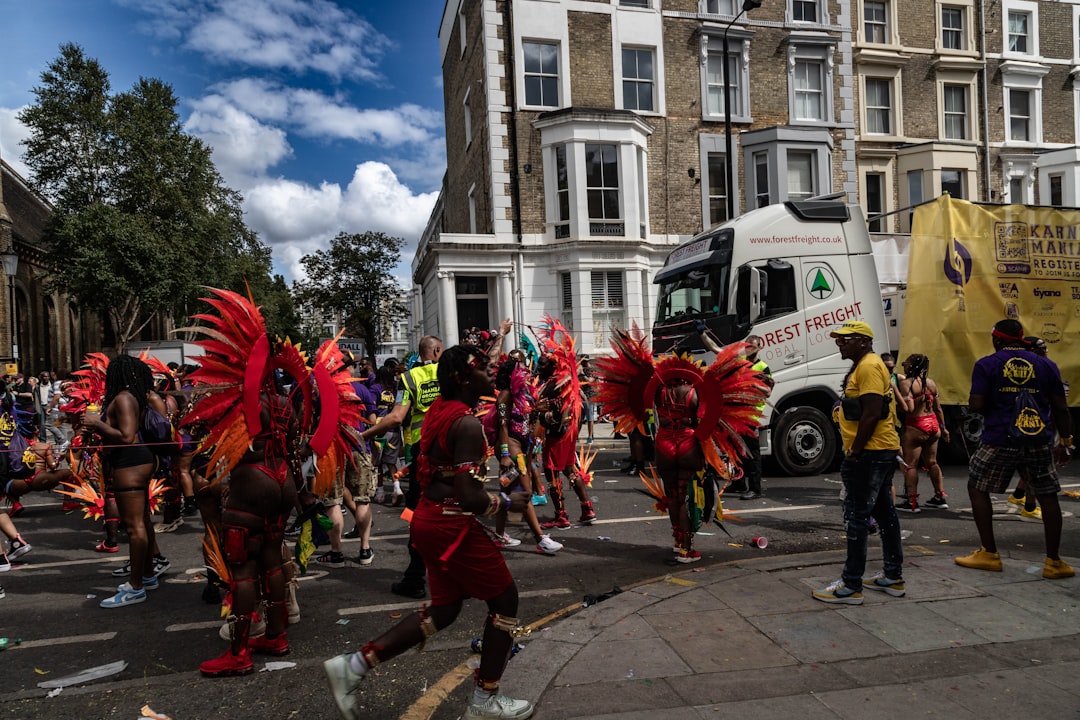
The main action at Notting Hill Carnival happens on Sunday and Monday, with the parade taking place on 30 and 31 August 2026. Sunday is Family Day, and it is the perfect morning to arrive early and find a good spot along the route.
Notting Hill Carnival takes place in Notting Hill and also spills into the streets of Ladbroke Grove, Westbourne Park, Westbourne Grove, and Bayswater. The 3 main stages are at Emslie Horniman’s Pleasance Park, Powis Square, and Meanwhile Gardens. The parade route is over 3 miles long, starting near Westbourne Park station. Arrive by 10am to secure a good position and explore the food stalls before the crowds grow.
Attending the carnival, watching the procession, and soaking up the atmosphere is completely free with no ticket required. There are over 300 food and drink stalls offering Caribbean dishes, jerk chicken, rice and peas, and fresh coconut water. After the parade, take the tube east and spend the evening at All Points East, where Twenty One Pilots close the festival on 30 August with a genre-blending show built for big crowd moments.
Monday: adults’ parade and east London galleries
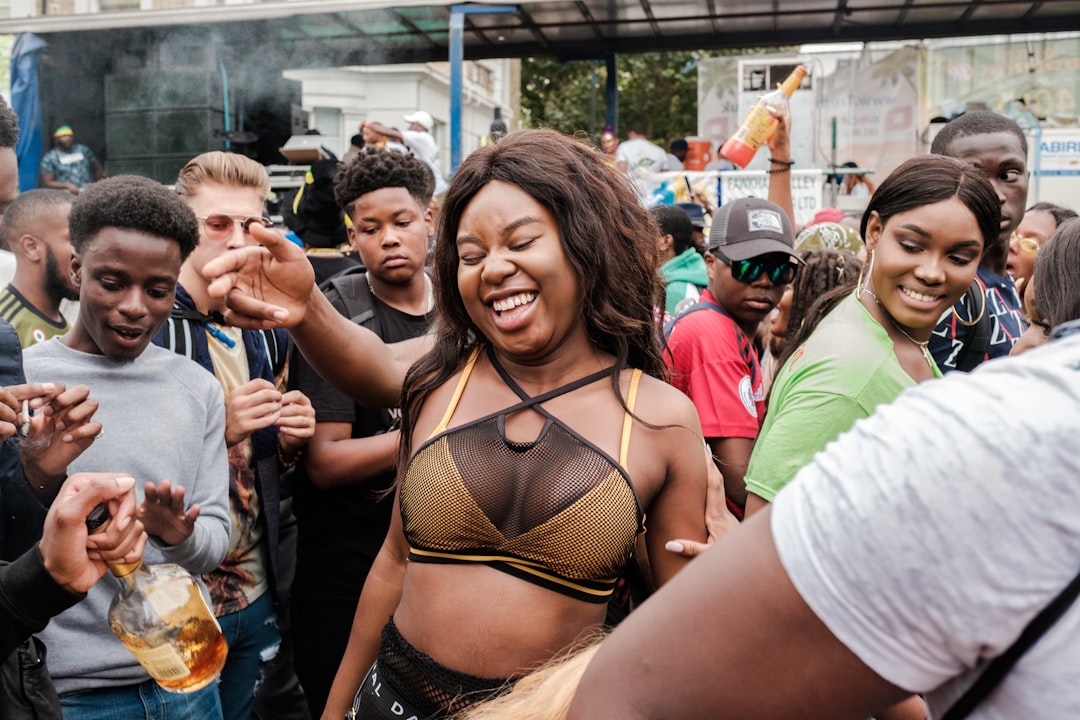
Monday is Adults’ Day at Notting Hill Carnival, with the full adults’ parade taking over the streets of west London. The event has taken place on August bank holiday weekend each year since 1966 and has grown into Europe’s largest street festival. It features parades, masquerade, floats, dancing, steel bands, soundsystems, and dozens of Caribbean food stalls. This is the day when the energy reaches its peak, and the costumes are at their most spectacular.

In the afternoon, take a break from the crowds and visit a gallery. The Tate Modern on the South Bank is free to enter and always has a strong permanent collection alongside major temporary exhibitions. Alternatively, explore the Barbican in the City of London, which combines architecture, gardens, and art in a single complex.
By early evening, the Ministry of Sound hosts an official Carnival After Party on 31 August, making it one of the most popular ways to close out the bank holiday weekend in London. Tickets sell fast, so book this alongside your other plans.
Expert perspective on bank holiday planning
Planning your bank holiday weekend in London requires you to think about geography first. The city is large, and moving between Notting Hill in the west and Victoria Park in the east takes time. A smart itinerary builds in travel gaps of at least 45 minutes between major locations. Use the Overground where possible, as it connects key festival hubs more directly than the Underground on busy days. Start each morning with a clear plan: know your first location, your midday stop, and your evening destination before you leave home. The bank holiday also brings road closures, particularly around the Carnival route, so check the TfL website the night before each day. Flexibility matters. If a crowd feels too large, move to a neighbouring street. London always rewards those who are willing to explore a little further.
Industry perspective, events and city travel professionals in London
Section 5: parks, food, and slower moments
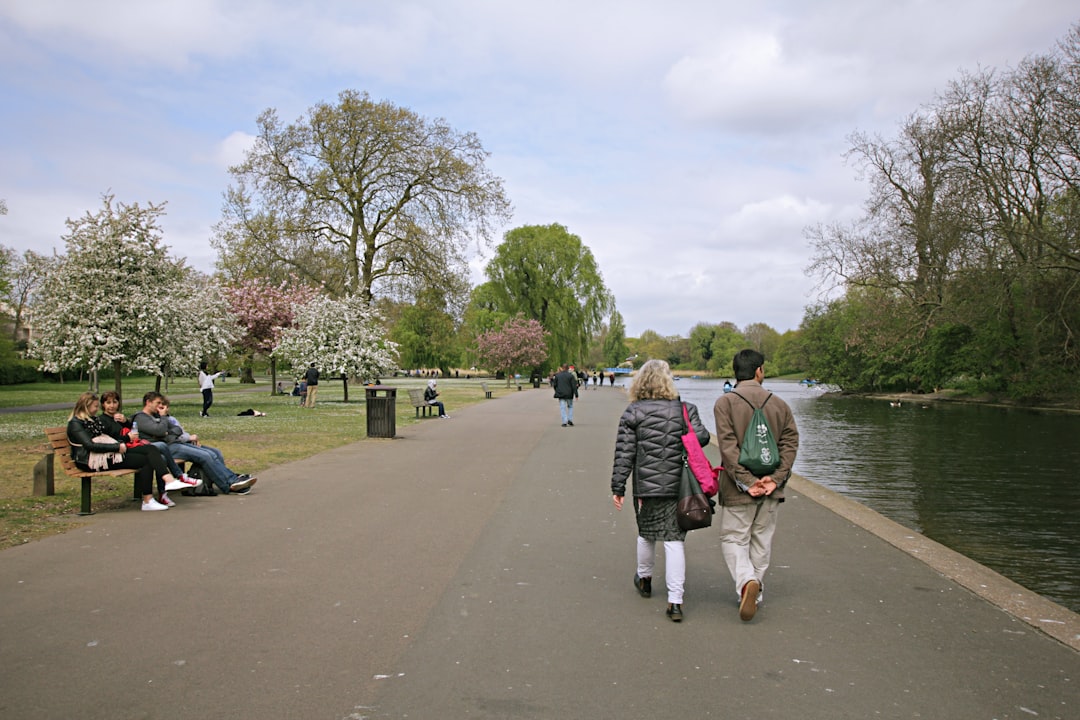
Not every hour needs a headline act. London’s parks offer a genuine contrast to the festival energy. Battersea Park hosts an orchestral festival during the bank holiday weekend, transforming into a serene space for live music in a beautiful outdoor setting. This is ideal for Sunday morning before the Carnival crowds build.
Central London also sees a botanical pop-up called Lost Oasis at the Courtyard in St Martin-in-the-Fields, where visitors can sample gourmet dishes crafted by top UK culinary names. This is a calmer alternative for those who prefer a seated experience with great food and a curated atmosphere.






Discover the city’s top attractions in style, whether that means taking in London’s famous landmarks aboard a hop-on hop-off bus tour, enjoying rooftop drinks with skyline views, or exploring family-friendly events across the capital. A rooftop bar in Shoreditch or Peckham at sunset makes a perfect end to any bank holiday afternoon.

Conclusion: make your bank holiday weekend count
The bank holiday weekend in London rewards those who plan well and stay flexible. Start with steel bands on Saturday, spend Sunday at the Carnival parade, and use Monday to explore galleries, parks, and great food. This city offers 3 full days of culture, music, and community at its best. A good bank holiday itinerary does not try to fit everything in. It picks the right moments and enjoys them fully. Book tickets early, check travel updates, and let London do the rest.