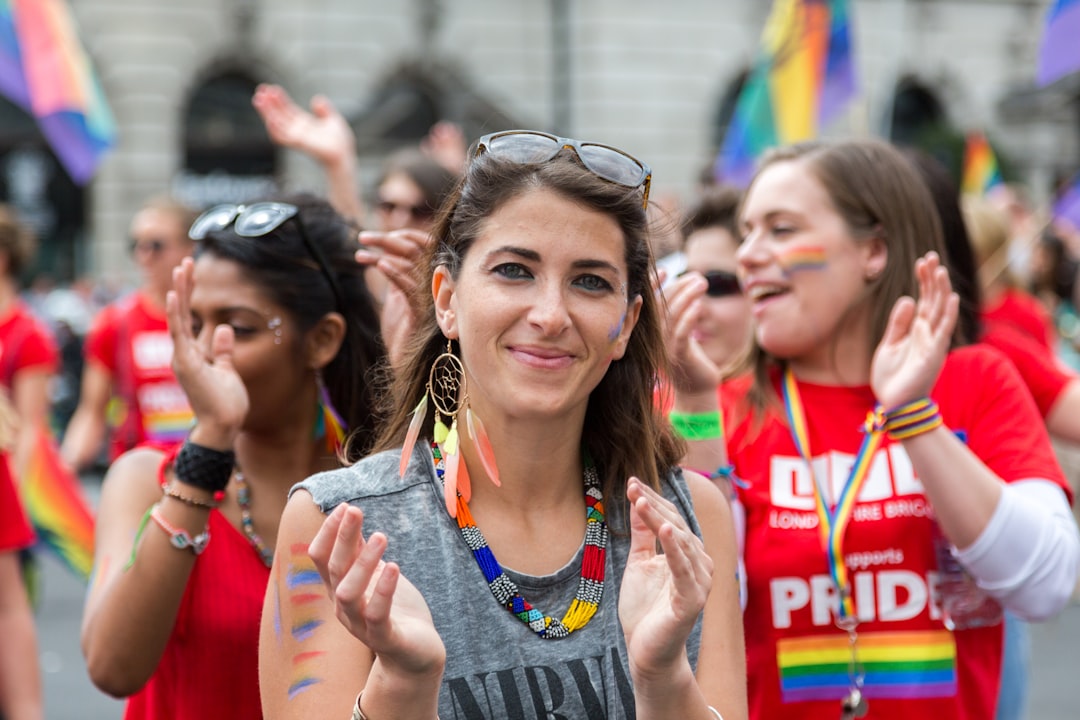
Pride in London turns the whole city into a stage, and few events capture what this capital does best quite as completely.
A brief history worth knowing
London held its first official Pride march in 1972. Born from the spirit of defiance, that march brought approximately 2,000 people to the streets for the UK’s first official Gay Pride Rally, a direct response to the 1969 Stonewall Uprising. It was a courageous act in a city still working through the slow process of legal change.
Over the decades, this vital act of visibility has grown from a small, courageous walk into a massive global event, ensuring that the original message of liberation continues to reach millions across the capital. Today the numbers are extraordinary. In recent years, the event has included more than 35,000 participants representing over 500 groups, and has attracted an estimated 1.5 million attendees.
Beyond the celebration, the Pride in London parade remains a vital platform for visibility and a powerful act of protest. It serves as a reminder that while much has been achieved, the fight for full equality is far from over. By taking up space in the heart of the capital, the march amplifies the voices of those still facing prejudice.

The parade route and timings
The parade begins at Hyde Park Corner, moving along Piccadilly towards Piccadilly Circus. From there, it heads south down Haymarket, passes the grand backdrop of Trafalgar Square, and finishes on Whitehall. It is a route that takes you past some of the most recognisable landmarks in London, which makes it a genuinely spectacular experience.
The parade departs from the start line at 12 noon, with thousands of participants from community groups and organisations making their way through the city over several hours. The march itself typically finishes by 6 PM. However, plan to arrive early. The viewing experience along the route is free, and crowds build quickly from late morning.
The march sets off at midday, and it takes about 120 to 180 minutes for a given group to complete the route. Allow 4 to 5 hours for the entire parade to complete the march. Position yourself well before noon for the best views.
The stages and what to expect
The parade is only part of the day. The Pride stages are situated around the nearby area, with stages in Golden Square, Dean Street, Soho Square, Leicester Square, Trafalgar Square and Victoria Embankment Gardens. Each space has its own character and atmosphere.

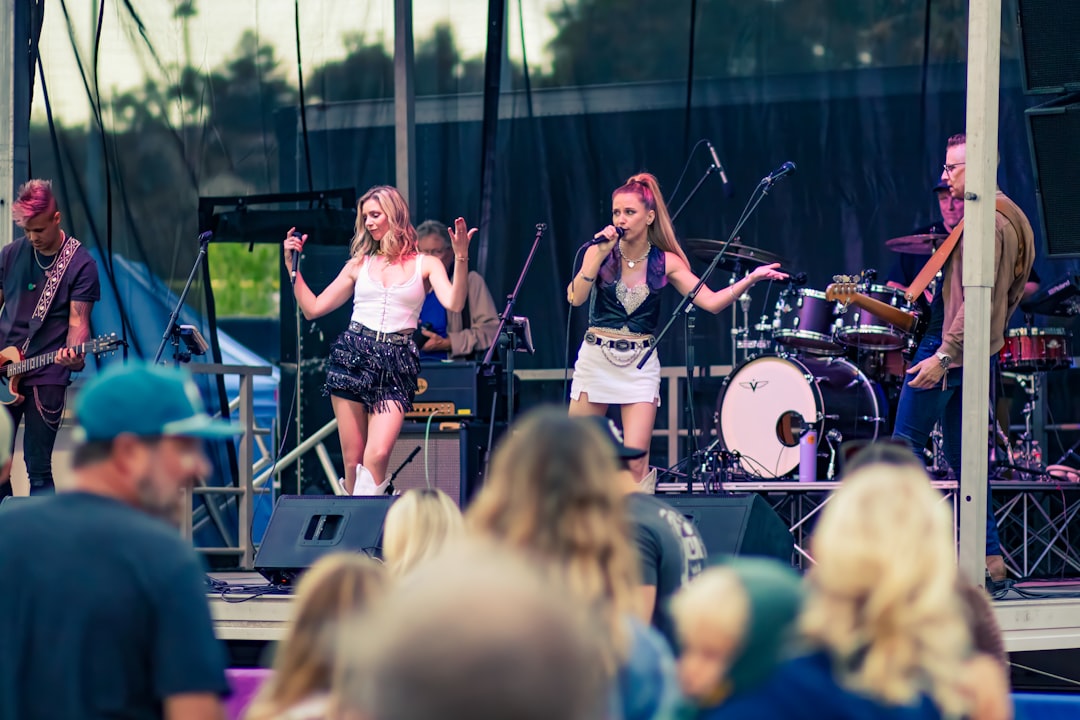
Expect an eclectic programme of live music, spoken word, and performance art. The main stage at Trafalgar Square hosts high-profile speakers and music acts. Additionally, drag performers dominate the Dean Street cabaret circuit, trans and non-binary artists bring fresh energy to Soho Square, and international acts at Golden Square demonstrate Pride’s global ties.
Furthermore, all stages have accessible facilities, medical and welfare spaces. If you need a quieter moment, the Family Area at Victoria Embankment Gardens and the Quiet Pride zone are perfect spots to recover your energy before heading back.






What the community says
Pride in London is not simply a party. It is a living continuation of decades of activism, and every person who stands on that route, whether marching or watching, adds to its meaning. The celebration and the protest are not separate things. They are two expressions of the same demand: to be seen, to be safe, and to be equal. The stages, the floats, the flags, all of these are acts of visibility. For many in our community, especially younger people and those from more conservative backgrounds, seeing that scale of acceptance in public for the first time is genuinely life-changing. That is why showing up, in whatever capacity you can, still matters.
Industry perspective, LGBTQIA+ culture and advocacy professionals in London
Practical tips for the day
Getting there is straightforward if you plan correctly. The best way to travel is via the London Underground. Several stations will be near the route, but some may be exceptionally busy or have temporary closures on parade day. Specifically, stations like Oxford Circus and Piccadilly Circus often become entry-only or exit-only and can close temporarily due to crowds. Check the TfL status before you head home to find the smoothest route out of the city.
Comfort matters too. You will likely be on your feet for hours, and the event covers several miles of London pavement. Wear shoes you are comfortable standing in all day. Carry a reusable water bottle, as there are free water refill stations within welfare stations at all stages.
Finally, signal can be unreliable in large crowds. With tens of thousands of people in one area, mobile signal can sometimes be patchy. Download the PDF map to your phone or take a screenshot so you can navigate without needing a data connection.

Soho: the heart of the celebration
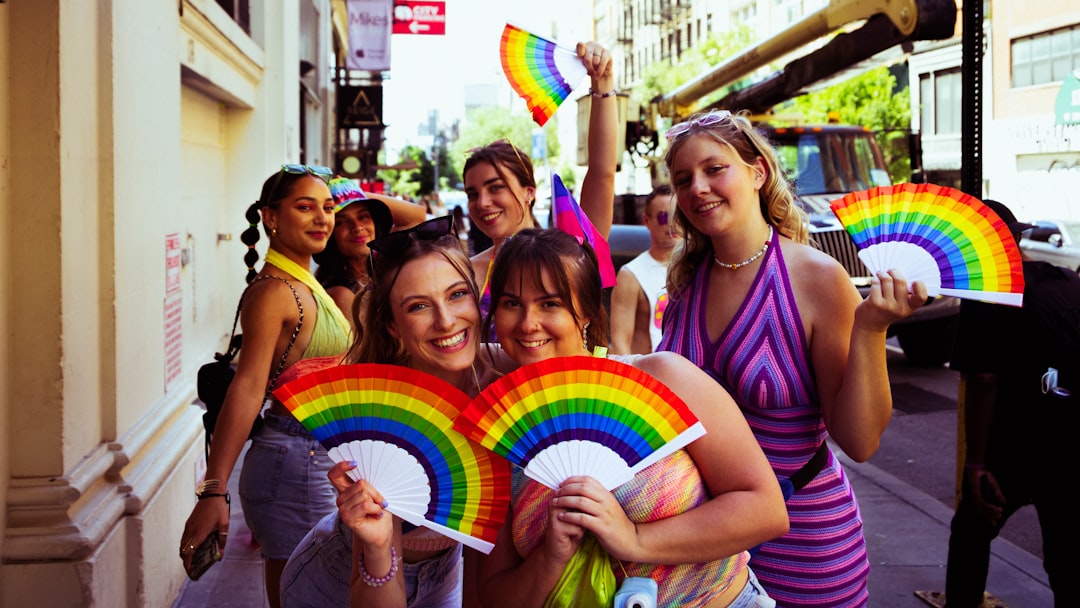
After the parade passes, many people move into Soho, and for good reason. Soho is London’s LGBTQIA+ heart. Old Compton Street and the surrounding streets have been the city’s gay district since the 1980s. During Pride weekend every bar and terrace on Old Compton Street fills from Thursday evening, and the area’s network of bars, clubs, and community spaces creates an atmosphere unlike any other day of the year.
The community aspect of Soho goes beyond the bars. Walking through the streets, you see people from every background, every age, and every part of the LGBTQIA+ spectrum. This is a neighbourhood that has protected its identity for decades, and Pride is the day it celebrates that identity most loudly.
Take time to explore beyond Old Compton Street. The side streets, the small cafes, and the independent shops all participate in the day. The energy is warm and welcoming, and the sense of community extends to every corner of the area.
Make Pride in London yours
Pride in London belongs to everyone who shows up. The parade route, the stages, the Soho streets: all of it is free and open to all. Plan your route, arrive early, and allow time to explore beyond the parade itself. Pride in London rewards curiosity and rewards participation. Whether you march, watch, or simply walk through Soho at the end of the afternoon, you are part of something that this city has built over more than 5 decades. Celebrate loudly, look after those around you, and enjoy every moment of Pride in London.