
Charity shops changed the way I dress every summer, and I think they can do the same for you.
Why London’s charity shops deserve more credit
Every June, I feel the same pull: the urge to buy something new, something that matches the warmth in the air. For years, I fed that urge with fast fashion. Then I moved to London, and I discovered the charity shop circuit. It is not simply a budget option. It is a genuine way to dress well, spend less, and send nothing to landfill.
The modern charity shop in London offers far more than secondhand bargains. Many are beautifully curated, boutique-style spaces that reflect current trends while keeping prices low. That shift matters. It means you can walk in with a clear summer wardrobe goal and walk out with real finds.
The secondhand apparel industry in the United Kingdom is set to expand at a 9.3% compound annual growth rate. This growth is largely driven by a strong cultural heritage of charity shops and a modern move toward digital resale platforms. The shop on your high street is part of something much larger.

How to plan your route by district
The secret to a successful charity shop run is geography. London’s neighbourhoods donate very different things, and knowing that saves you hours.
Chelsea and Marylebone sit at the top of most lists for a clear reason. Shops such as Royal Trinity Hospice and Mary’s Living and Giving often feature designer labels like Gucci, Prada, or Burberry. Prices reflect that, but the quality is often excellent. A single linen blazer from a Chelsea rail can anchor an entire summer wardrobe.
For volume and variety at lower prices, go east and south. South London’s charity shops are underrated but packed with value and variety. For a dedicated few hours of secondhand shopping, Streatham High Street is a strong South London destination for buying used clothes. In East London, Dalston offers strong options for anyone seeking a statement piece.
What to look for when building a summer wardrobe
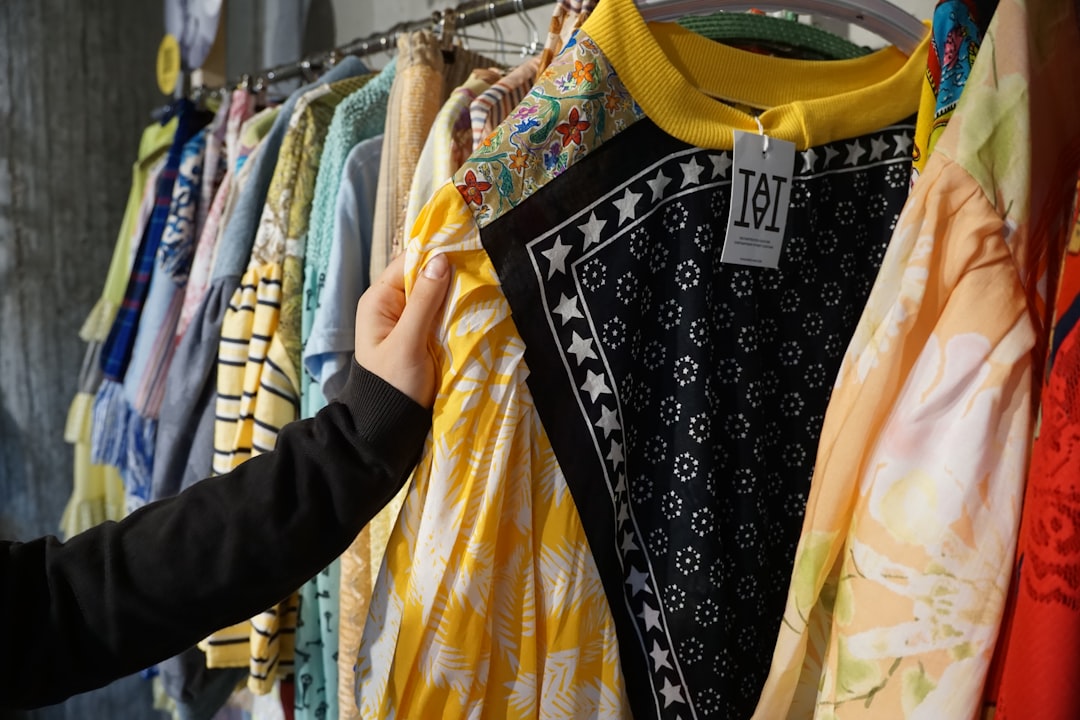
Summer dressing is specific. You need lightness, versatility, and colour. Charity shops reward shoppers who know exactly what they need before they arrive.

Focus on natural fabrics first. Linen, cotton, and silk breathe well in warm weather and hold their shape after washing. These materials also tend to survive secondhand better than synthetic blends. Hold each item to the light and check the seams. If both pass, the price is almost always right.
In stores like Traid, prices remain consistently around £10 to £20. That budget can cover 3 or 4 strong summer pieces in a single visit if you stay focused. Think loose shirts, midi skirts, lightweight trousers, and a single good-quality dress. Those 4 categories are enough to build a complete seasonal wardrobe.
An expert perspective on secondhand fashion
The shift we see in London’s charity retail market is not just about affordability. Shoppers are now actively seeking provenance and quality, and charity shops in the right postcodes deliver both. Summer is the best season for this because people donate before holidays and clear out before autumn. The volume of good-quality summer clothing entering the circuit between May and July is significantly higher than at any other time of year. Shoppers who visit early in the week, when new donations have just been sorted, find the best pieces. The other thing people underestimate is the benefit of donating as well as buying. When you bring quality items in, the whole ecosystem improves for every shopper.
Industry perspective, sustainable fashion and charity retail professionals in London
How to make each piece work harder
Finding the item is only half the task. Making it last the whole summer, and beyond, is the real skill.
Buy with a clear colour palette in mind. If your 3 base colours are navy, white, and terracotta, every charity shop find should connect to at least 1 of them. That simple rule stops impulse buys from sitting unused in your wardrobe.
Wash everything before wearing it. Most charity shops steam or clean donations, but a cool wash at home gives you confidence. Shoppers save up to 25% per item by choosing secondhand over new, according to a survey by vintage reseller Depop. That saving grows when each piece gets regular use across multiple seasons.
Also, learn basic repairs. A loose button or a small hem takes 10 minutes to fix. It extends the life of a garment by years. The goal is to transform the UK’s make-use-dispose fashion culture into one where products are made sustainably, used longer, and then reused or recycled. Your needle and thread is part of that shift.







Donating well: the other side of the circuit
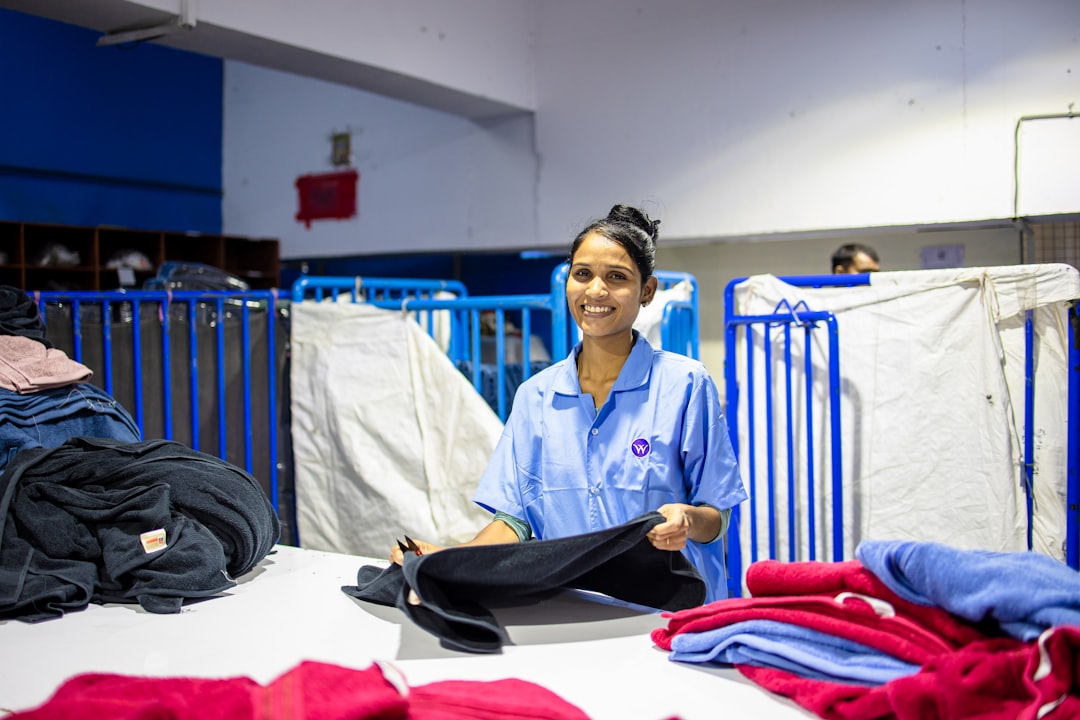
The charity shop circuit only works because people donate generously. When you refresh your summer wardrobe this season, set aside everything you no longer wear.
WRAP’s CEO has urged: “We’re all buying too many new items and then putting too many clothes in the waste bin.” These are valuable resources, not waste. The message is clear: give to charity shops, who rely on that income. Donate clean, dry items on a hanger where possible. Shops sort faster and price better when donations arrive in good condition.
Resale of secondhand, sustainable fashion in charity shops has helped save over 300 tonnes of goods from landfill every year. Every bag you drop off contributes to that number. That is not a small thing. It is a direct, local action with a measurable result.
Charity shops and a summer wardrobe you will feel good about
London’s charity shops are the most practical and most sustainable way to build a summer wardrobe this season. You get variety, quality, and price in one place, and you support local communities at the same time. Start with 1 district, walk the rails with a clear goal, and donate what you no longer need before you go. The charity shops in Chelsea, Streatham, Dalston, or Marylebone are all waiting. Your best summer wardrobe is already in one of them. Go find it.