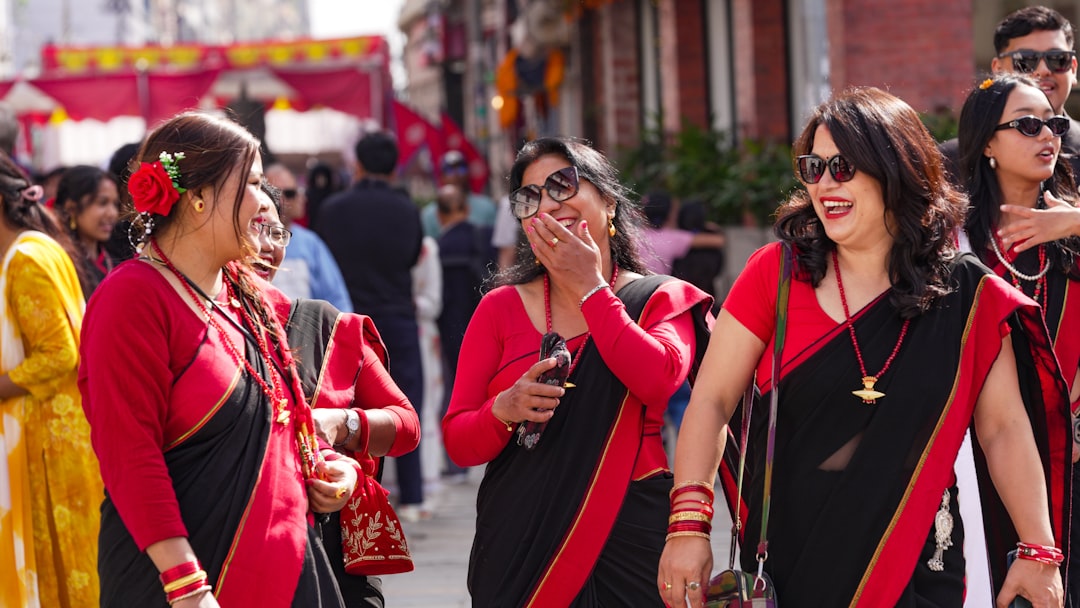
Independence Day in London is not a single moment. It is a 2-week stretch of music, politics, memory, and pride that plays out across the most South Asian-populated city outside the subcontinent itself.
Why this city holds 2 celebrations
1 in every 7 Londoners is of South Asian heritage. That single statistic explains why mid-August in this city feels different. It is not background noise. It is front and centre, from the flags on shop windows in Southall to the sold-out event listings in East London.
Pakistan achieved independence from the United Kingdom at midnight at the end of 14 August 1947. India followed on 15 August. So London, uniquely, marks Independence Day across 2 consecutive days. That calendar fact carries enormous political and emotional weight. It is a reminder that the 1947 Partition of British India was not only a founding moment for 2 nations. It also shaped the communities that now live in Harrow, Tower Hamlets, Ilford, and Wembley.
From Gujaratis in Harrow and Wembley, Punjabis in Southall, Bangladeshis in Tower Hamlets, and Pakistanis across East London, South Asians form the fabric of British society, influencing the development of communities, infrastructure, and services. August asks those communities to look back. What they find is not always comfortable.

Pakistan Independence Day: Ilford counts down to midnight
On 13 August 2026, NUPS UK brings Pakistan’s Independence Day celebrations to Redbridge Town Hall for a night of live Qawwali, culture, and community. The National Union of Pakistani Students has chosen Ilford as its base. That choice is deliberate. East London holds one of the largest Pakistani communities in Britain.
As midnight approaches, the hall will come alive in green and white for a collective countdown, Pakistan’s national anthem, and a celebration of the heritage that connects people wherever they call home. This is the kind of event that matters not because it is large, but because it is precise. It recreates something: the moment of becoming a nation. It asks a room full of British Pakistanis to hold 2 things at once, pride in a homeland and full presence in the city they live in now.
Many people dress in or use the colors green and white, which are Pakistan’s official colors, during Pakistan’s Independence Day. On the streets of Ilford and East Ham, that visibility is part of the point.
India Independence Day: Whitechapel to West London
India’s Independence Day is marked with a night of music, culture, and celebration at Hichki London on Saturday, 15 August 2026, from 9:30 PM onwards. Hichki sits in Whitechapel, a district that has housed immigrant communities for centuries. Celebrating India’s independence here, a short walk from Brick Lane, places modern diaspora joy in a very particular historical landscape.
Separate from the nightlife events, The Bhavan UK hosts a formal Independence Day celebration, presided over by the High Commissioner of India. The Bhavan, which has operated in West London for decades as a centre for Indian arts and culture, represents a more institutional mode of celebration. Both events exist. Both serve a purpose. Together, they show the range of what Independence Day means to a community that is not monolithic.
At Hichki in Whitechapel, the evening brings together professionals, entrepreneurs, students, and newcomers to London to celebrate shared heritage while connecting with the wider Indian community across the capital. That framing is significant. It positions Independence Day not only as a historical commemoration but as a networking moment for a generation building careers in Britain.
Expert perspective on South Asian identity in London
South Asian Heritage Month in the UK did not appear by accident. It was built by communities who recognised that their histories were being omitted from mainstream British education and public life. The Independence Day period sits at the heart of that project because it forces a direct conversation about colonialism, partition, and migration. These are not comfortable topics for British institutions. But they are essential ones. A city like London cannot claim to be global and multicultural while avoiding the history that made it so. South Asian communities in this city carry that history in their bodies. The August celebrations are one of the few moments when that weight becomes public, visible, and shared. That visibility matters enormously for younger generations who are asking hard questions about identity and belonging.
Community heritage and diaspora identity perspective, South Asian heritage organisations in London
South Asian Heritage Month provides the wider frame
Independence Day does not arrive in isolation. South Asian Heritage Month first took place in 2020, created to ensure that the intertwined histories of the UK and South Asia are understood, celebrated, and commemorated. What began as a focused UK observance has grown into a global movement, observed by South Asian diaspora communities worldwide every July.
The 2026 theme, Unity in Diversity, was introduced at a 250-person online event, the largest public theme introduction in the month’s history. It celebrates the extraordinary breadth of South Asian communities while exploring the values, experiences, and aspirations that unite them. That theme lands differently in August, when 2 nations mark independence on consecutive days in the same city.
South Asian Heritage Month takes place from 1 to 31 July and has been celebrated in the UK since 2019. Tower Hamlets presents a programme of events exploring the history and culture of its South Asian community, including theatre, music, dance, heritage walks, film screenings, and a celebration of South Asian food traditions. These events build the civic and cultural context in which August celebrations carry real meaning.

What Independence Day reveals about London now
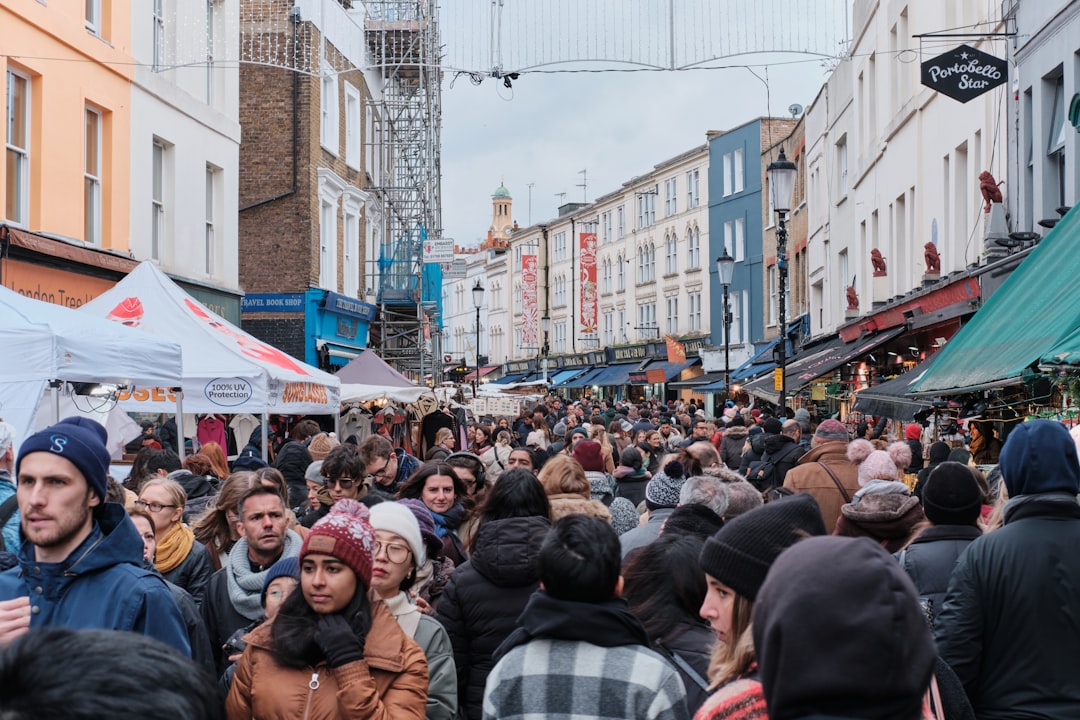
Ask a harder question. Who controls the narrative of these celebrations? A Qawwali night in Ilford and a DJ set in Whitechapel reflect community-led energy. A formal reception at The Bhavan reflects diplomatic and institutional channels. Both exist simultaneously and rarely speak directly to each other.
The London Mela is the UK’s flagship South Asian festival, celebrating music, dance, food, and arts since 2002 to unite diverse communities, with Southall drawing 100,000 or more visitors annually with free entry. That scale is impressive. But scale is not the same as depth. The more important question is whether London’s South Asian communities can use the visibility of this month to push for things that matter beyond August: representation in politics, fair housing, protection from racialised violence, and honest teaching of colonial history in schools.
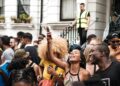



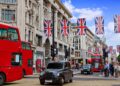
Independence Day in London is a celebration. It is also a provocation. Every year, it asks the city to reckon with what it owes and what it still withholds.
London holds the memory and must do more with it
Independence Day in London belongs to the communities that live it every year. People of South Asian heritage need to tell their own stories. This is the opportunity to show what it means to be South Asian in the 21st century and to look to the past to see how we got here. That is the real work of Independence Day. Not just the flags, the music, and the food, which matter enormously, but also the harder conversations about history, identity, and power that this city still needs to have. If you are in London this August, show up for Independence Day. Then stay curious about what it means.