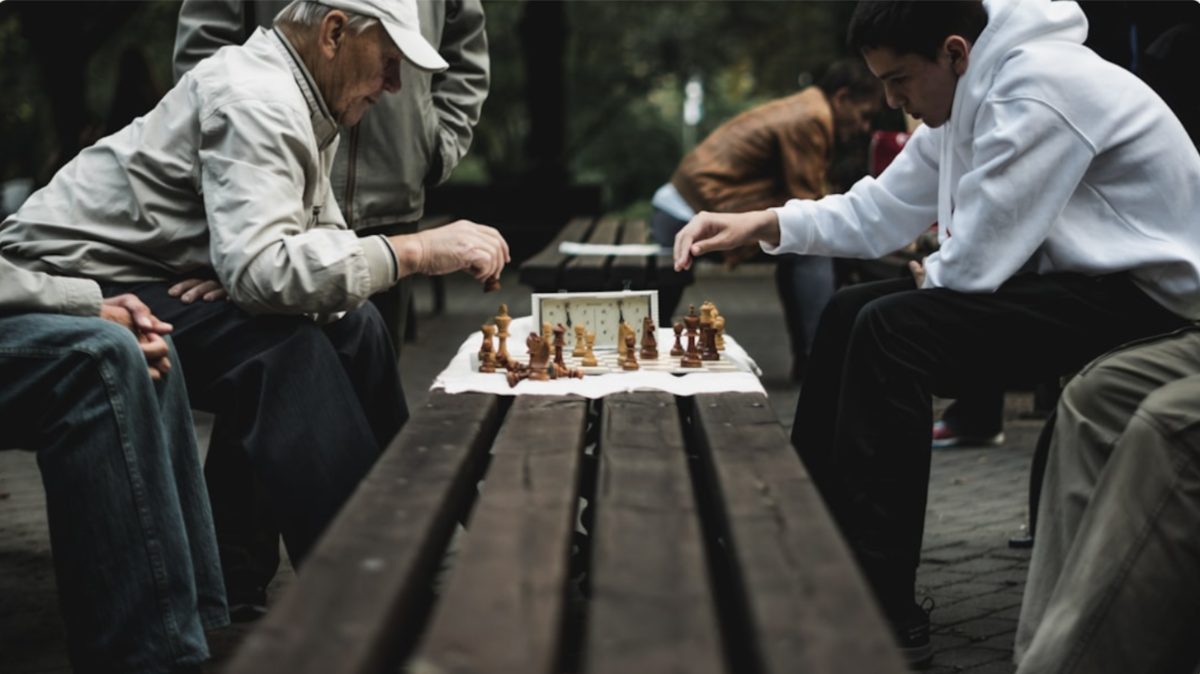
ChessFest London is bringing 25,000 people to one of the world’s most recognisable squares this July, and if you think this is just a day of quiet board games, you are reading the wrong story.
From 6,000 to 25,000: how a festival grew
Britain’s first-ever outdoor chess festival attracted 6,000 visitors at London’s Trafalgar Square in 2021. Five years later, the numbers tell a different story. More than 25,000 people are expected to descend on Trafalgar Square on Sunday, 12 July, for ChessFest 2026. That is not a niche hobby gathering. That is a mass public event with serious momentum.
A record 23,300 people visited the festival the year before and enjoyed a wide range of free chess activities, with many of the UK’s top players joining for the day. Each year the crowd has grown. The question worth asking is not only how it grew, but why. What does it mean that a chess festival now rivals some of London’s most established summer events in attendance?
Now in its sixth year, ChessFest has grown to become the UK’s biggest chess event. The annual event is organised by the charity Chess in Schools and Communities (CSC) with support from leading algorithmic trading firm XTX Markets. The partnership between a social charity and a City finance firm is worth noting. Public good costs money, and someone has to fund it.

What actually happens on the day
ChessFest takes over Trafalgar Square from 12pm to 7pm on 12 July, with all activities completely free to take part in. No ticket. No registration. No barrier. That alone separates it from most of London’s major festival calendar.
From young to old, beginner to grandmaster, ChessFest has something for everyone, including free chess lessons for children and adults from professional chess teachers and top UK players, and simultaneous displays against England internationals including British Champions Mickey Adams and Gawain Jones. These are not local club players. These are players who represent England at the highest international level, facing off against members of the public on a public square.
The highlight of the day will be several performances by a living chess set, with 32 actors recreating famous games of chess with commentary from an MC and Grandmaster Chris Ward. Visitors can also solve chess puzzles or challenge others on 1 of 10 giant sets and hundreds of smaller tables laid around the square. The scene is, by any measure, visually arresting.
The Immortal Game and why 2026 is different
This year’s ChessFest will celebrate a unique piece of the capital’s history: the 175th anniversary of the Immortal Game. In 1851, London was the capital of international chess when German master Adolf Anderssen entered its folklore by sacrificing his queen and both rooks to force checkmate. His brilliant winning move went down in history as one of the most beautiful and instructive ever seen.

The game was likely played just a 5-minute walk from ChessFest at the newly reopened home of chess, Simpson’s-in-the-Strand. The proximity is not just geographic. It is a deliberate act of historical connection. Placing a mass public festival within walking distance of one of the game’s most defining moments says something about London’s role in chess history. That role is older than most people realise.
This year’s theme is wildlife. Will the kingfisher defeat the queen bee? What makes a more effective pawn, a butterfly or a hedgehog? The playfulness is intentional. It keeps the event accessible to children and first-time visitors, while still carrying a serious historical layer underneath.
Expert perspective
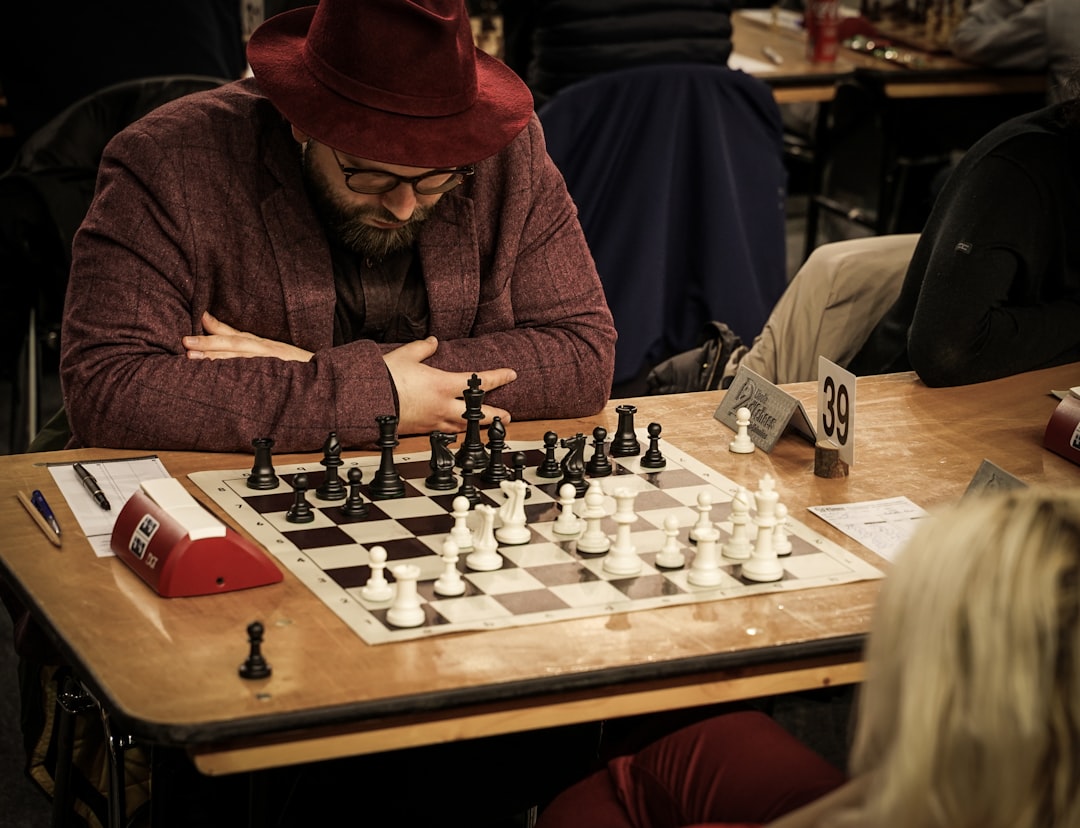
Chess in public spaces changes the relationship between the game and the city. When you take chess off its traditional stage and put it in a place like Trafalgar Square, you send a direct signal that this game belongs to everyone, not only to those who can afford a club membership or have access to a school programme. Events like ChessFest do something that very few public festivals achieve: they close the distance between experts and beginners in a single afternoon. The growth from a few thousand visitors to tens of thousands in 5 years is not a coincidence. It reflects a genuine appetite for intellectual public life in cities. The chess community should look at this model carefully, because access and visibility are the two levers that change who the game belongs to.
Industry perspective, chess education and community access professionals in the United Kingdom
The access question no one is asking loudly enough
Here is the part that deserves sharper attention. Chess in Schools and Communities is a nationwide charity that runs chess lessons and clubs in over 300 schools across the country. The fundamental aim of the CSC schools programme is to close the attainment gap. Only 39% of disadvantaged children make expected progress at Key Stage 2, compared to 60% of their peers.
CSC works entirely in the state sector, prioritising areas of deprivation, to give every child the chance to realise their full potential. By running chess lessons during the school day, they ensure that the programme is fully inclusive, and children with special educational needs often flourish. This is the part of ChessFest that the festival programme does not advertise in large print. The free day in Trafalgar Square is the visible surface of a much deeper community effort.
In addition to its work in schools, CSC runs chess activities in prisons, libraries, hospitals, centres for older people, and in many other community settings. A chess charity working in prisons is not a headline that fits neatly onto a festival flyer. But it is the honest picture of what this organisation does when the cameras leave Trafalgar Square.








Why ChessFest London matters beyond the board
ChessFest London is more than a summer festival. It is a live argument about what public space is for, and who gets to use it. ChessFest is completely free and unticketed, open to every level of player from complete beginners to grandmaster challengers. In a city where access to culture, sport, and intellectual life is increasingly tied to income, that matters.
In 2026, ChessFest will take place at multiple locations across England, including Portishead, Trafalgar Square London, Hull, Liverpool, Coventry, and Lancaster. The event is not a London spectacle performed for tourists. It is a national programme using public space to shift who feels welcome inside a game with a long history of exclusion.
ChessFest London is back on 12 July 2026, from 12pm to 7pm, at Trafalgar Square. Go. Watch a grandmaster face 20 opponents at once. Let a professional actor in a kingfisher costume explain the Immortal Game to you. Or ask a harder question: why does it take a charity and a trading firm to put intellectual life back into public space? That question matters as much as the festival itself.