CONTACT
  • Login
Upgrade
LONDONwebzine
Advertisement
  • Home
    • Our Authors
    • Media Kit
    • Contact
    • Cookie Policy
    • Terms and Conditions
  • News
  • Business
  • Lifestyle
    • Beauty
    • Kids
    • Gastronomy
    • Sustainable living
    • Well-being
    • Creativity
  • Culture
  • Sports
  • Travel
  • Global London
  • Insights
  • Local Guide
    • Activities in London
    • Hotels in London
    • Nightlife in London
    • Restaurants in London
    • Services in London
    • Shopping in London
  • Home
    • Our Authors
    • Media Kit
    • Contact
    • Cookie Policy
    • Terms and Conditions
  • News
  • Business
  • Lifestyle
    • Beauty
    • Kids
    • Gastronomy
    • Sustainable living
    • Well-being
    • Creativity
  • Culture
  • Sports
  • Travel
  • Global London
  • Insights
  • Local Guide
    • Activities in London
    • Hotels in London
    • Nightlife in London
    • Restaurants in London
    • Services in London
    • Shopping in London
No Result
View All Result
LONDONwebzine
No Result
View All Result
Home Global London

Nigerian community shaping London culture

From Tate Modern to Peckham's supper clubs, London's Nigerian community is redefining art, food, and nightlife this autumn.

A visitor from London's Nigerian community standing before a painting at a major art exhibition

London’s Nigerian community is not just participating in the city’s cultural life this autumn. It is leading it, and the rest of London is paying close attention.

A landmark moment for Nigerian art

The Tate Modern exhibition “Nigerian Modernism,” running from October 2025, highlights 50 trailblazing artists working across 50 years of political and social upheaval, from British colonial rule in the 1940s to reflections on global Nigerian identity at the close of the 20th century. This is the first major UK exhibition to map the rise of modern art in Nigeria. That is a significant fact, and it arrives decades later than it should.

Pioneering Yoruba artist and performer Twins Seven-Seven, a key figure in the Tate Modern show, is also celebrated by Lagos-based gallery kó in a solo presentation at Frieze Masters. The timing is deliberate. Frieze London and Frieze Masters coincide with this first UK exhibition to map the rise of modern art in Nigeria, creating a concentrated moment of visibility for Nigerian creative heritage. London’s institutions have chosen this autumn to correct a long-standing gap. The question is whether that commitment continues after the season ends.

Peckham and the food revolution

London is home to the UK’s largest Nigerian population, many of whom are based in or around Peckham in south London. The area is also known as “Little Lagos,” where Yoruba and Igbo peoples have settled and where both languages are still commonly spoken.
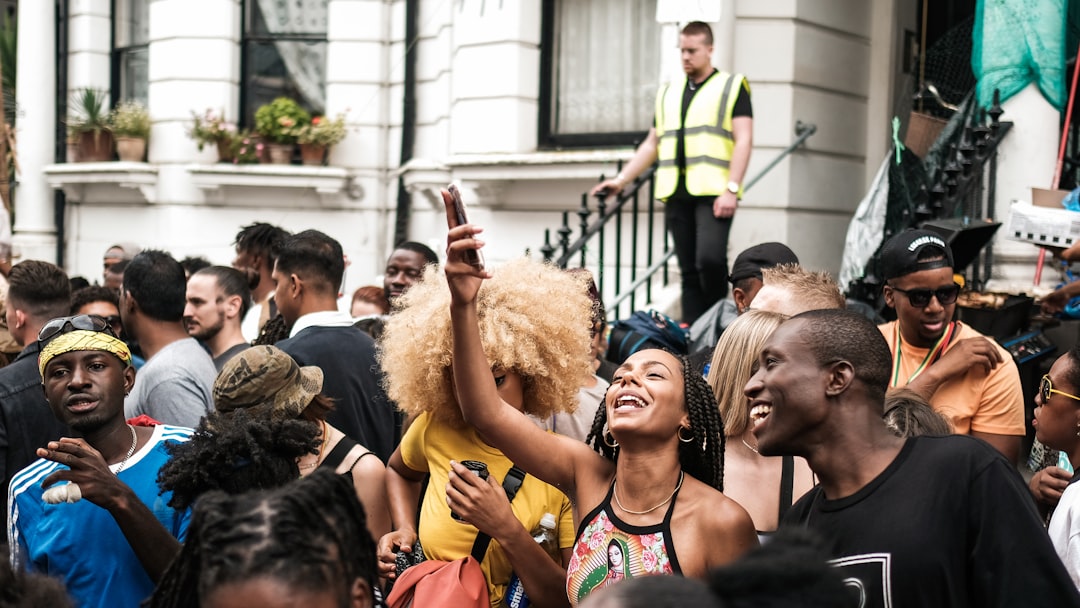
Nigerian food has become a staple in London’s food market. Dishes like jollof rice, suya, and puff-puff are enjoyed widely across the city. Restaurants like Ikoyi and Enish have gained attention for their authentic flavors, while street food stalls in Peckham and Brixton attract both Nigerian diners and newcomers. This is not a trend. It is a food culture that has existed in south London for generations.

Food tells a powerful story. For generations, African restaurants served communities that already knew dishes like jollof rice, suya, egusi soup, and plantain. What has changed is their visibility. African cuisines are increasingly reaching diners outside those communities, while African restaurants, supper clubs, and street food traders are finding new audiences. The supper club circuit, where Igbo and Yoruba culinary traditions meet a London dining public hungry for something real, represents one of the most honest forms of cultural exchange the city currently offers.

Afrobeats, Afroswing, and the nightlife shift

From Peckham and Brixton to Dalston and beyond, clubs and promoters regularly build nights around Afrobeats, amapiano, and other African sounds, attracting audiences far beyond African diaspora communities. Music that might once have been described as specialist has become part of ordinary British nightlife.

Afrobeats is now recognized as a national pop music of Nigeria and has gained British institutional recognition, including its own Afrobeats UK chart, which launched in 2020. That chart entry matters. It reflects commercial weight, not just cultural novelty. Artists including Burna Boy, Wizkid, and Rema have performed to large British audiences, and the UK now has an Official Afrobeats Chart that reflects the genre’s commercial importance. The Nigerian community built this market from the ground up, through independent promoters, local radio, and loyal audiences long before mainstream media noticed.

British musicians have created their own hybrids. J Hus helped bring Afroswing, combining elements of Afrobeats, rap, grime, dancehall, and R&B, to a mainstream British audience. Afroswing is now a genre London claims as its own. It would not exist without the Nigerian community.
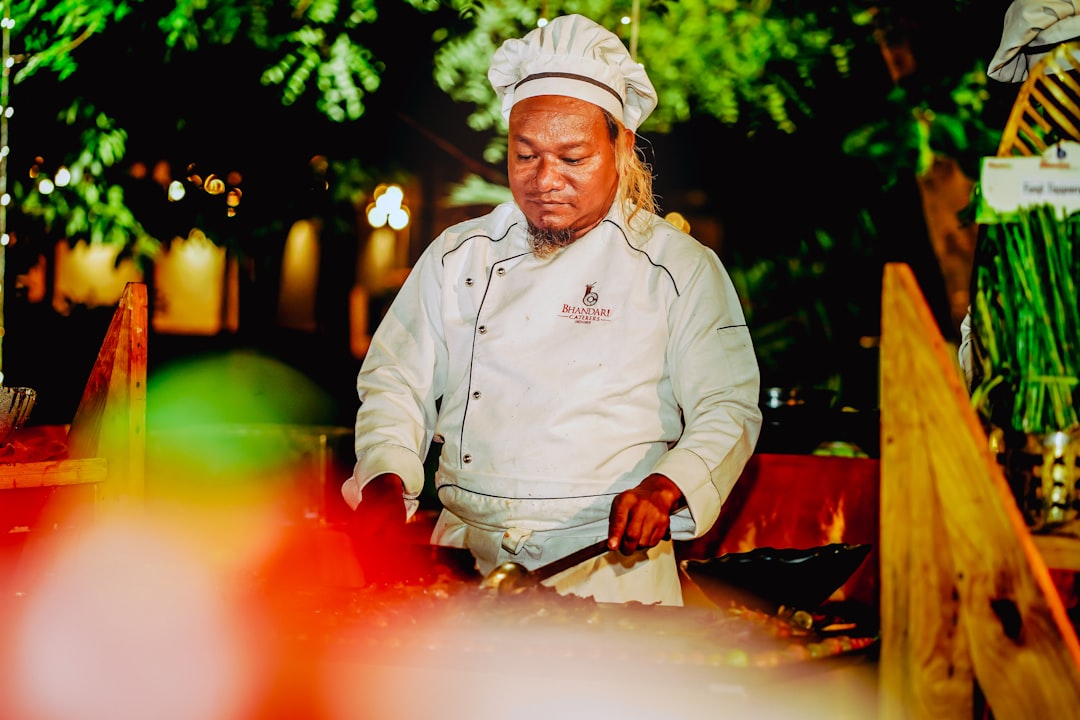
A chef serving traditional Nigerian street food at a Peckham market, representing the Nigerian community's culinary.

Expert perspective

The Nigerian diaspora in London has always been a cultural force, but for a long time that force operated below the visibility of mainstream institutions. What we are seeing now is a structural shift. Tate Modern presenting Nigerian Modernism is not just a curatorial decision. It reflects pressure from artists, curators, and community organisations who have advocated for decades for this kind of recognition. The food scene follows the same pattern. Nigerian restaurants and supper clubs have built loyal followings on their own terms, without institutional support, and now the city is catching up. The real question for autumn and beyond is whether London’s cultural institutions will sustain this engagement or treat it as a seasonal programme. Community trust is not built in one exhibition cycle. It is built through long-term investment, representation at decision-making levels, and genuine co-creation with the communities whose cultures are being presented.

Industry perspective, African diaspora arts and cultural programming professionals in London
You might also like

A costumed dancer performing at Notting Hill Carnival in front of crowds on Ladbroke Grove

Notting Hill Carnival: route and best spots

30/08/2026
A South Asian woman in traditional dress celebrates Independence Day at a community event in London

Independence Day London South Asian events

09/08/2026
A Ghanaian community market trader in London arranges traditional fabric and food at an outdoor stall

Ghanaian community shaping London culture

27/07/2026
A man concentrates over a chessboard at ChessFest London in Trafalgar Square

ChessFest London: why 25,000 will show up

13/07/2026
A woman sampling street food at a busy London neighbourhoods market, surrounded by global food stalls

London neighbourhoods taste the world

28/06/2026
car free living in london bus taxi

Car-free living in zone 2 London

25/06/2026

Nollywood and the screen dimension

Nollywood films screen at London cinemas and are streamed on platforms like Netflix. These artistic exports bring Nigerian culture into a global space that now includes millions of non-Nigerian viewers. Nollywood is the second-largest film industry in the world by volume. London audiences have access to it, and demand is growing.

Research highlights how second-generation Nigerians in Peckham use Afrobeats music, Nollywood films, and African clothing styles in London to perform and express their diasporic identities. This is cultural production in real time. It is also a business. Nigerian-owned fashion brands, barber shops, hair product stores, and media companies contribute directly to London’s economy. The community faces economic challenges in areas like housing and employment. However, it contributes significantly to London’s economic and cultural life. That contribution deserves recognition and policy support, not just celebration.
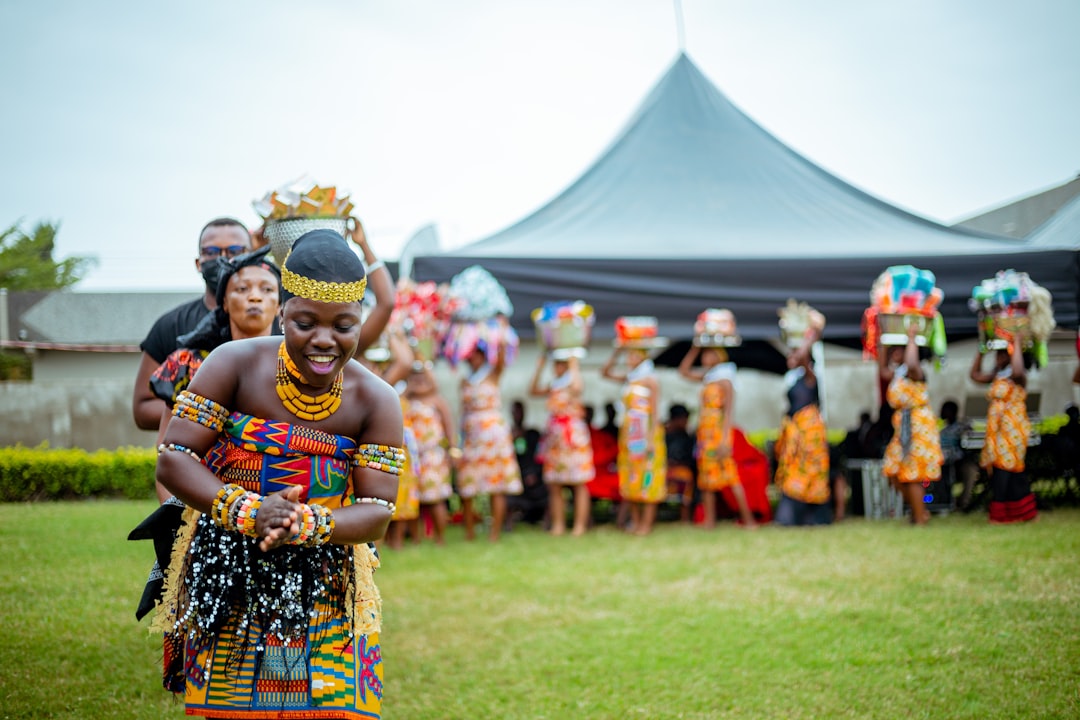
A DJ performing at a London nightclub night celebrating the Nigerian community's Afrobeats music culture

Why this autumn matters for Nigerian community culture

The Nigerian community in London is not new. The first wave of Nigerians settled in Peckham in the 1970s and 1980s, when the Nigerian economy declined following the end of the oil-boom era. What is new is the scale of public recognition this autumn. A major Tate exhibition, a packed Frieze season, a growing supper club scene, and Afrobeats on mainstream radio all arrive together in the same city, at the same time.

This convergence reflects decades of work by the Nigerian community, not a sudden discovery by London’s cultural gatekeepers. The Nigerian community has built its presence through consistent cultural production, community events, and economic activity. London benefits from this. The honest next step is to ask whether that benefit flows back, through fair representation, institutional investment, and political recognition of a community that has shaped this city deeply and continues to do so.

Discover more about Nigerian community

  • Tate Modern: Nigerian Modernism exhibition
  • Frieze London and Frieze Masters 2025 coverage
  • Black History Month: Britain’s leisure culture and Africa
Previous Post

Business audit: why September is critical

Next Post

Open water swimming clubs in London

Related Posts

A costumed dancer performing at Notting Hill Carnival in front of crowds on Ladbroke Grove
Global London

Notting Hill Carnival: route and best spots

30/08/2026
A South Asian woman in traditional dress celebrates Independence Day at a community event in London
Global London

Independence Day London South Asian events

09/08/2026
A Ghanaian community market trader in London arranges traditional fabric and food at an outdoor stall
Global London

Ghanaian community shaping London culture

27/07/2026
A man concentrates over a chessboard at ChessFest London in Trafalgar Square
Global London

ChessFest London: why 25,000 will show up

13/07/2026
A woman sampling street food at a busy London neighbourhoods market, surrounded by global food stalls
Global London

London neighbourhoods taste the world

28/06/2026
Next Post
A woman in a wetsuit preparing to enter a London reservoir for open water swimming at dawn

Open water swimming clubs in London

Leave a Reply Cancel reply

Your email address will not be published. Required fields are marked *

No Result
View All Result

Our Focus

LONDONwebzine is your international window on London: lifestyle, business, culture, sports and events for a global audience drawn to the capital's endlessly dynamic scene.

Our Readers

LONDONwebzine addresses readers who engage with London at a high level: professionally, financially, strategically, and as decision-makers in their fields.

Our Approach

Lifestyle, culture, and innovation are integrated as context and indicators of economic influence, creative leadership, and global soft power, not standalone entertainment.

Recent Post

  • Cold plunge in Hackney: a first-timer’s guide
  • Ethiopian restaurants London: best picks

© 2026 LONDONwebzine by NOOR & NOOR — part of WEBZINE.world.

Welcome Back!

Login to your account below

Forgotten Password?

Retrieve your password

Please enter your username or email address to reset your password.

Log In
Manage Consent
To provide the best experiences, we use technologies like cookies to store and/or access device information. Consenting to these technologies will allow us to process data such as browsing behavior or unique IDs on this site. Not consenting or withdrawing consent, may adversely affect certain features and functions.
Functional Always active
The technical storage or access is strictly necessary for the legitimate purpose of enabling the use of a specific service explicitly requested by the subscriber or user, or for the sole purpose of carrying out the transmission of a communication over an electronic communications network.
Preferences
The technical storage or access is necessary for the legitimate purpose of storing preferences that are not requested by the subscriber or user.
Statistics
The technical storage or access that is used exclusively for statistical purposes. The technical storage or access that is used exclusively for anonymous statistical purposes. Without a subpoena, voluntary compliance on the part of your Internet Service Provider, or additional records from a third party, information stored or retrieved for this purpose alone cannot usually be used to identify you.
Marketing
The technical storage or access is required to create user profiles to send advertising, or to track the user on a website or across several websites for similar marketing purposes.
  • Manage options
  • Manage services
  • Manage {vendor_count} vendors
  • Read more about these purposes
View preferences
  • {title}
  • {title}
  • {title}
No Result
View All Result
  • Home
    • Our Authors
    • Media Kit
    • Contact
    • Cookie Policy
    • Terms and Conditions
  • News
  • Business
  • Lifestyle
    • Beauty
    • Kids
    • Gastronomy
    • Sustainable living
    • Well-being
    • Creativity
  • Culture
  • Sports
  • Travel
  • Global London
  • Insights
  • Local Guide
    • Activities in London
    • Hotels in London
    • Nightlife in London
    • Restaurants in London
    • Services in London
    • Shopping in London

© 2026 LONDONwebzine by NOOR & NOOR — part of WEBZINE.world.

Are you sure want to unlock this post?
Unlock left : 0
Are you sure want to cancel subscription?
Verified by MonsterInsights
enEnglishfrFrançais