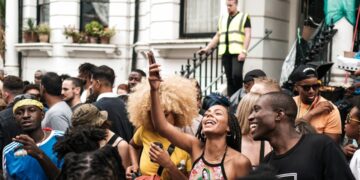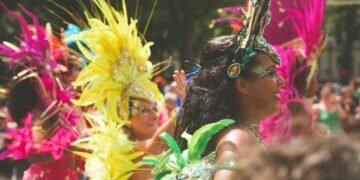
The Ghanaian community in London is not a new arrival. It is a founding thread in the city’s modern cultural fabric, and it is long past time London gave it the credit it deserves.
A presence built over more than a century
People of Ghanaian descent have been in the UK since the early 1900s, making London one of the oldest settled African communities in the capital. That history matters. It means this is not a story about newcomers finding their feet. It is a story about a community that has shaped a global city across multiple generations.
Ghanaians began migrating to the UK in significant numbers during the mid-20th century, particularly after Ghana’s independence in 1957. Recent data from the Office for National Statistics shows 114,000 Ghanaians resident in the UK, with London alone accommodating 71,000 of them. Those numbers capture only the Ghanaian-born population. The second and third generations are another story entirely.
Ghanaians can be found in Seven Sisters, Dalston, Brixton and Lewisham, with a growing presence in Crystal Palace, Croydon, Norwood and Tulse Hill. Tottenham hosts the largest Ghanaian concentration in the UK, with the fashion industry attracting residents since the 1980s. The question worth asking is this: why does a community this large and this old still have to fight for mainstream recognition?

How Ghanaian food transformed London’s eating habits
Food is always the first point of entry, and London’s Ghanaian community has delivered something remarkable here. Kelewele (spiced fried plantain), waakye (rice and beans), and kenkey are available across London, alongside kente cloth and Ghanaian gospel music. These dishes did not stay in specialist restaurants. They moved into markets, pop-ups, and the everyday vocabulary of the city’s food scene.
Ghanaian shops in London serve as community gathering spaces where people come together to celebrate shared heritage, hosting cultural events, workshops, music performances and food festivals. These are not simply retail outlets. They are infrastructure. They hold communities together and they introduce Ghanaian cuisine to a wider public that is, slowly, paying attention.
Yet the recognition gap remains real. When critics write about London’s “African food scene,” they often bundle multiple national cuisines into 1 vague category. Ghanaian food has its own identity, its own regional differences, and its own champions. It deserves a sharper, more specific spotlight.
Fashion: from kente cloth to global runways
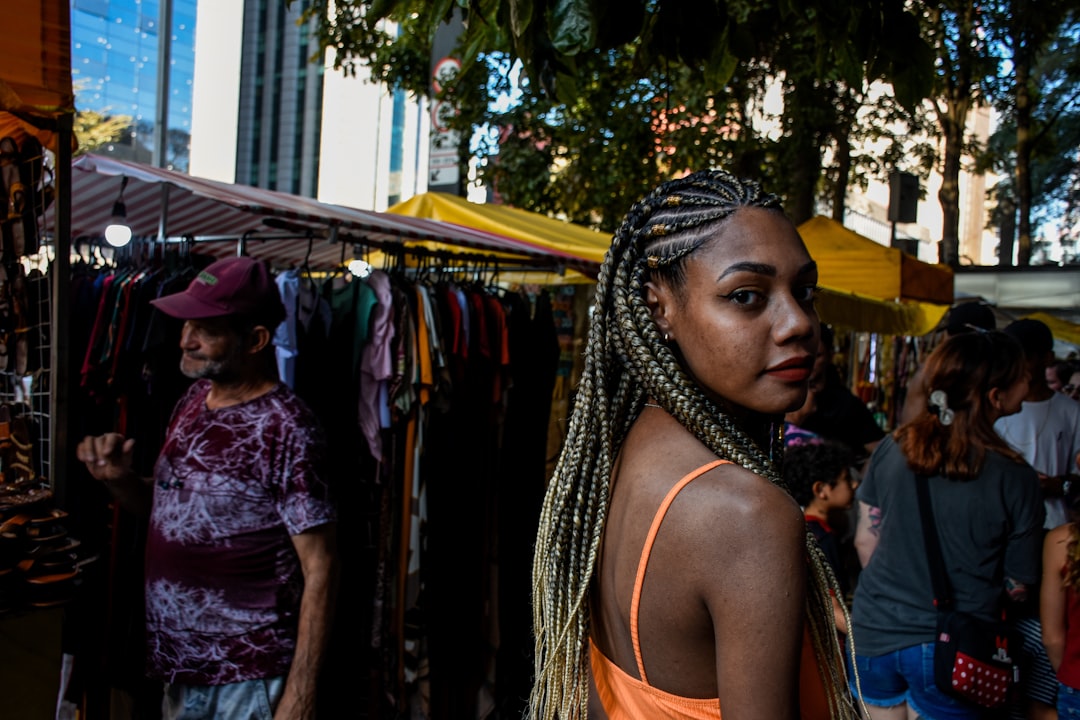
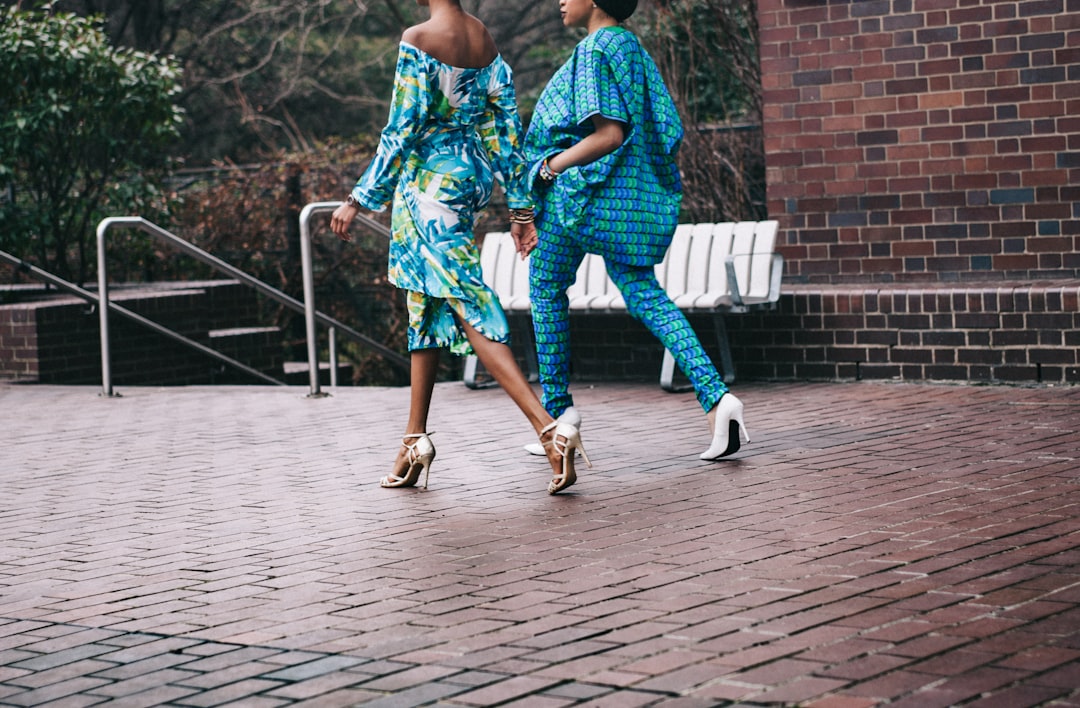
Fabric shops in Peckham are treasure troves of ankara, wax print and kente, with rolls of vibrant cloth lining walls from floor to ceiling, serving Nigerian and Ghanaian communities for weddings, naming ceremonies, church outfits and everyday fashion. Walk through Rye Lane on any Saturday and you see a fashion culture in full operation.

Ozwald Boateng has become a household name in fashion, and his trajectory illustrates what happens when Ghanaian creative talent gets access and space. He became the first Black tailor to open a shop on Savile Row, built a global client list, and put a distinctly Ghanaian sensibility into one of Britain’s most traditional institutions. That achievement did not happen by accident. It happened because a community already embedded in this city produced the conditions for it.
The harder question is about scale. For every designer who breaks through, many more operate in the informal economy, making custom pieces and building loyal client bases without the institutional support that mainstream British designers receive. Policy needs to address this gap.
Expert perspective on diaspora and cultural contribution
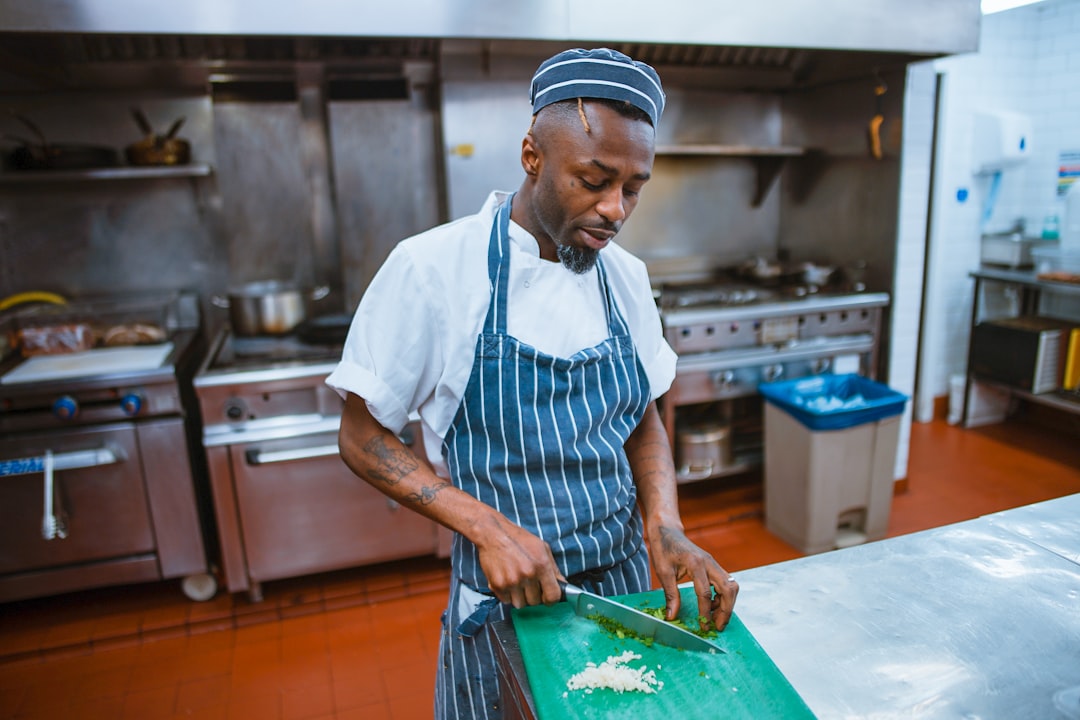
The Ghanaian diaspora in London occupies a unique position. This community has maintained strong ties to its homeland while integrating deeply into British political and economic life. It functions as a kind of bridge, contributing professionally and economically in both directions. What is often underestimated is the cultural output of this integration. The food, the music, the fashion, the church communities: these are not separate from London’s identity. They are central to it. Diaspora communities like this one do not simply adapt to cities. They build them.
Industry perspective, diaspora engagement and African cultural affairs professionals
Music: how Tottenham gave the world Afrobeats
This is where London’s debt to its Ghanaian community becomes most visible, and where the credit has been most unevenly distributed. It was Tottenham’s Ghanaian radio stations that gave birth to the UK Afrobeats music scene. That is not a small claim. Afrobeats is now a global genre worth hundreds of millions of dollars. Its London roots run directly through the Ghanaian community.





Music from Ghana has produced artists such as Stormzy, Dizzee Rascal, Tinchy Stryder and Sway, who were either born in Ghana or are descendants of Ghanaian parents. These artists did not emerge from nowhere. Ghanaian highlife musicians traveling to London created spaces and communities that served a larger group of Ghanaians and Black migrants, shaping Ghanaian popular music from the 1950s through the 1980s. The underground work of building those musical spaces directly enabled the mainstream success that followed decades later.
Music and art are fundamental aspects of Ghanaian culture, and London has provided a platform for many artists to reach wider audiences. That platform, however, was not freely given. It was built by the community itself, in community centres, on local radio, and in informal networks that the wider music industry later mined for profit.

The recognition gap: politics, belonging and what London owes
Some Ghanaians face discrimination and carry the weight of being treated as “other,” and immigration policies since Brexit have added complexity, with visa difficulties keeping families apart. This is the political reality sitting underneath every celebration of Ghanaian cultural contribution. The city benefits from this community’s food, music and fashion. It does not always extend the same welcome to the people who produce them.
The number of Ghanaian associations in London continues to multiply, with nearly 200 clubs focusing on ethnic, professional, regional, cultural, religious, age and gender concerns in the capital alone. That organisational density reflects a community looking after itself, in part because institutions have not always looked after it. The Ghanaian diaspora in London is now more strategically organised and integrated, contributing transnationally to Ghana’s development while maintaining a clear presence in British political and economic life. That is a community operating at a high level. London should meet it there.
Conclusion: a city shaped by Ghanaian hands
The Ghanaian community in London is not a footnote in the city’s cultural history. It is a primary author of it. This diaspora has built the food, fashion and music that define whole neighbourhoods and entire genres. The Ghanaian community has done this work across generations, often without formal support and sometimes against active resistance. London needs to move beyond passive appreciation and into active policy: funding for Ghanaian-led cultural organisations, fair recognition in the creative industries, and an immigration framework that does not treat long-rooted communities as perpetual outsiders. Celebrating the Ghanaian community means more than applauding the music. It means building the city those artists and cooks and designers deserve to live in.