London neighbourhoods carry something most food guides refuse to say directly: the restaurants, markets, and street stalls are here because migration happened, and the politics around that migration was rarely easy.
Brixton: Caribbean roots and contested ground
Brixton is where the Windrush generation built something lasting. Brixton is where the Windrush generation planted roots, and the markets still carry the smell of jerk chicken and ackee. That history did not arrive peacefully. Decades of housing pressure, police tension, and economic exclusion shaped this community before any food writer called it a destination.
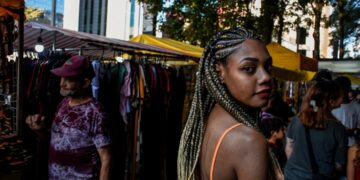
Known as London’s most diverse and vibrant market, Brixton Village sits at the heart of Brixton town centre and is the dynamic home of food, goods, and community with more than 100 independent vendors representing over 50 nationalities. That is remarkable. It also raises a question worth asking: as rents rise and visitors multiply, do the communities who built this place still benefit?
Gentrification tensions exist between long-time residents and newcomers. Any honest guide to Brixton must name that fact.
Brick Lane: curry capital and living archive
London’s East End, spanning Brick Lane, Shoreditch, and Spitalfields, is where the city’s culinary diversity comes alive. Shaped by centuries of immigration, from the Huguenots and Jewish communities to the Bangladeshi families who gave Brick Lane its famous curry houses, this neighbourhood is a living tapestry of cultures, flavours, and stories.
It is impossible to discuss London’s cosmopolitan cuisine without Brick Lane. Bangladeshi, Indian, and Pakistani communities have long called this ancient neighbourhood, known as the “Curry Capital of the UK,” home. The curry houses draw millions of visitors each year. Yet many of those restaurants are run by families who navigated hostile immigration systems to get here.
You will find legendary bagel shops open around the clock, award-winning fish and chip shops, Indian curry houses beloved by locals, and innovative street food vendors creating dishes that blend global influences. Each one carries a separate story of arrival and survival.
Peckham: West Africa on Rye Lane
Peckham does not perform its diversity for tourists. Peckham is the beating heart of London’s Nigerian community, and Rye Lane explodes with Nollywood shops, jollof rice joints, and fabric stores selling ankara by the yard. This is a neighbourhood that functions first for the people who live there.

London is home to a significant Black population, largely divided between Black African and Black Caribbean groups. The Black African community, which includes people from countries such as Nigeria, Ghana, Somalia, and Kenya, makes up around 8 to 9 percent of London’s population. Peckham is where much of that community shops, eats, and gathers.
The food scene here reflects real lives, not a curated experience. West African cuisine has gained global recognition, and Peckham sits at the centre of that story in London.
Expert perspective on diversity and the food economy
London’s food scene reflects the depth of its migrant communities, but that reflection is uneven. The restaurants and stalls that tourists celebrate most are often run by people who face the highest barriers: expensive rents in central postcodes, digital marketing costs that strain small budgets, and a hospitality system that does not always reward authenticity over access. The food economy should ask hard questions about who captures the value when a neighbourhood becomes fashionable. Supporting diverse food founders means more than visiting once. It means consistent spending, fair landlord practices, and public procurement that places community kitchens at the centre of food policy. The best food in London exists because of migration. The question is whether the city’s economic structures protect the communities who created it.
Industry perspective, food economy and diversity professionals in London
Tooting and Southall: South Asia in south and west London
The south Indian and Pakistani family diners of Tooting speak of migration, adaptation, enterprise, and resilience. Tooting Broadway is one of the most honest food streets in the city. Southall, Tooting, and Brick Lane all matter for South Asian food, but they offer different experiences. Southall is strongest for Punjabi food, and Tooting is excellent for South Indian and Sri Lankan options.
With a thriving Indian and Asian culture, it is easy to see why nicknames like “Little India” and “Curry Corridor” were given to Southall in southern London. These labels simplify a complex place. Southall has a Sikh majority, a political voice, and an economic infrastructure that operates largely independently of central London.
Both areas reward repeat visits. Go once and you eat well. Go regularly and you start to understand the community that feeds you.

Green Lanes: Turkey, Cyprus, and the politics of the table
The vibrant Turkish community in north London’s Green Lanes offers succulent kebabs, hearty stews, and flavoursome mezes. But Green Lanes is more complex than its food suggests. Turkish and Kurdish communities exist here alongside Greek Cypriot families, and the political histories between those groups are real and present.
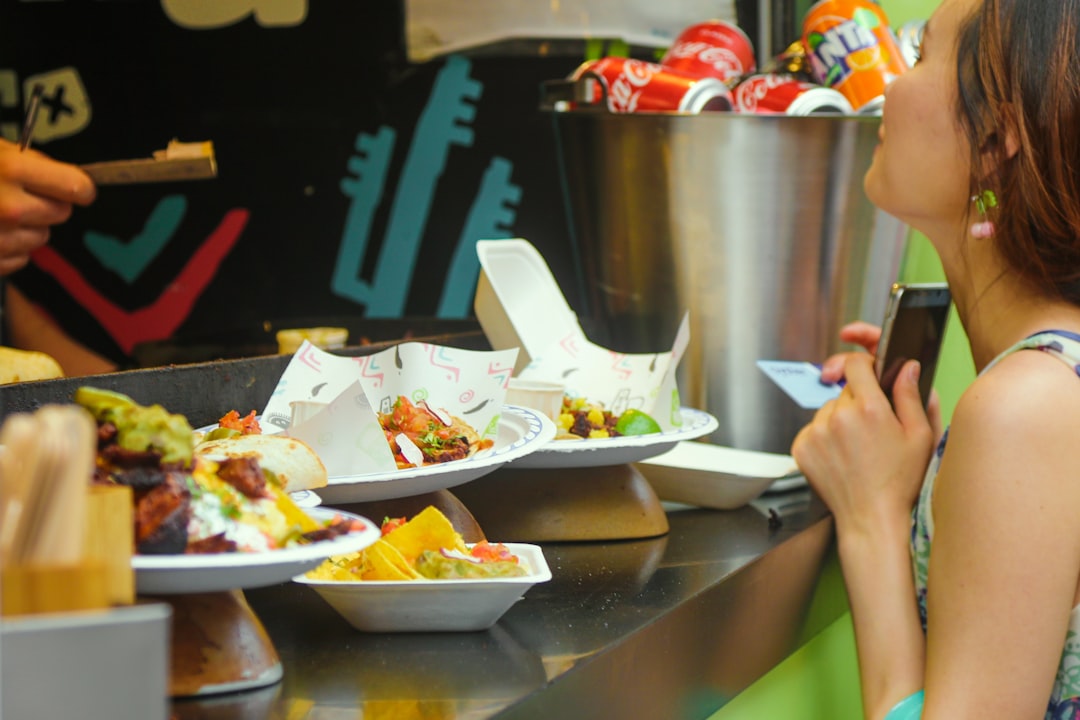
Green Lanes is where Turkish neighbours take their extended families for long Sunday meals. Gökyüzü serves large mezze spreads, fresh bread from wood-fired ovens, and grilled meats. The late-night döner culture feeds London’s nightlife, but during the day these places serve much more sophisticated food than post-pub kebabs.
Food in Green Lanes is not a performance. It is a weekly ritual for families who have lived in north London for generations.
Chinatown: history beyond the neon
Chinese immigrants have been settling in the Westminster area since as far back as the 18th century, though it was once home to Huguenot and Maltese immigrants. Today Chinatown is packed with Chinese supermarkets, bakeries, and over 80 different Chinese restaurants, with Gerrard Street at its centre.
Chinatown is often treated as a spectacle. It is also a working community hub for Chinese and Southeast Asian Londoners. The food serves both functions, and visitors benefit from understanding that distinction.




London neighbourhoods are not a menu
London is proudly a place of many cultures. Its nearly 9 million residents speak around 300 languages, more than any other city in the world, and almost half of all Londoners identify with non-white ethnic groups. That diversity produced the food. It also produced the inequality, the displacement, and the unfinished political arguments that still run through these streets.
London neighbourhoods like Brixton, Peckham, and Brick Lane are extraordinary precisely because real communities built them under real pressure. Eat in them with that knowledge. Spend your money in the independent businesses. Ask where the food comes from. London neighbourhoods deserve visitors who engage, not just consume. Come back.