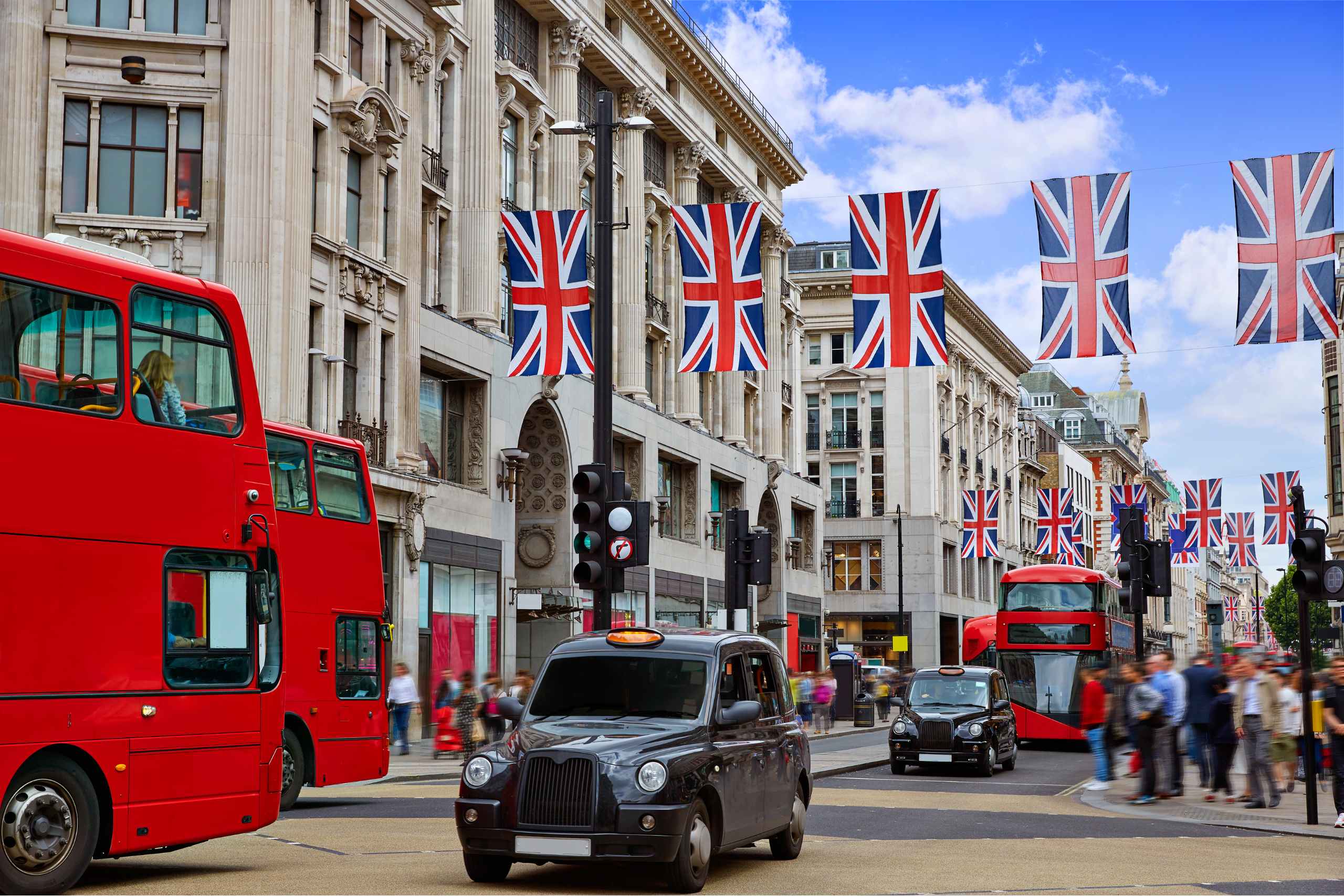
Car-free living in zone 2 London is not just possible, it is one of the best decisions you can make in this city, and the numbers back it up completely.
Why zone 2 is perfect for going car-free
Zone 2 sits right at the heart of London’s best transport connections. You have the Underground, Overground, and Elizabeth line within easy reach. Buses run frequently on almost every street. The network is dense enough that most daily journeys take less time by public transport than by car.
62 per cent of households in inner London are already car-free. That figure tells you something important: your neighbours have already made this decision, and the neighbourhood is built around it. Zone 2 boroughs like Hackney, Islington, Lambeth, and Southwark consistently lead London in car-free household rates. Furthermore, 50 per cent of people in inner London say they are already able to live car-free.
The financial case is just as strong. Car ownership costs between £300 and £600 a month, and in zone 2 you are almost certainly paying for public transport on top of that. Remove the car, and that money goes back into your life. Think of what that means: more evenings at a Brixton music venue, more Sundays exploring a new gallery in Shoreditch.

Cycling: the backbone of car-free living
Cycling is the fastest-growing mode of transport in London right now, and zone 2 sits at the centre of that growth. Cycling journeys in London are up 43 per cent compared with 2019 levels, with an estimated 1.5 million journeys made per day in 2025. Those are not just statistics. Those are real people choosing their bikes over their steering wheels every morning.
Transport for London has worked with London boroughs to increase the length of its cycle network from 90km in 2016 to over 431km in 2025. Many of the best Cycleways pass directly through zone 2. Protected lanes connect Hackney to the City, Lambeth to Westminster, and Bermondsey to London Bridge. 27 per cent of Londoners now live within 400m of a high-quality cycle route.
Santander Cycles docking stations are everywhere in zone 2, and dockless options from Lime and Forest Bikes fill the gaps. The growth in cycling was biggest in inner London, with daily journeys increasing by 14.8 per cent in 2025. If you are new to city cycling, TfL’s Cycle Sundays programme offers beginner-friendly routes and maps to build your confidence before the weekday commute.
Transport options beyond the bike
Cycling is only one part of the picture. Zone 2 gives you direct access to almost every part of London by public transport. The Underground alone connects you to the centre in under 10 minutes from most zone 2 stations. The Overground creates east-to-west links that many people do not use enough.

Walking accounts for 39 per cent of all trips by London residents. In zone 2, many errands simply do not need a vehicle at all. The pharmacy, the market, the coffee shop, and the park are almost always within walking distance. Additionally, the neighbourhood itself rewards walking. This is the part of London where the architecture changes every few streets and the food smells from different cultures mix in the best possible way.
For longer journeys or late nights, black cabs and rideshare apps are available instantly. Car clubs such as Zipcar and Enterprise Car Club give you access to a vehicle when you genuinely need one, without the cost of ownership. Evidence shows people who use car clubs rather than having a privately owned car make fewer car trips overall.






Expert perspective on car-free urban living
Living without a car in a well-connected inner London neighbourhood is not a compromise, it is an upgrade. People who make the switch consistently report doing more exercise, spending less money, and feeling more connected to their local area. The combination of high-quality cycling infrastructure, frequent public transport, and car club access means that almost every journey need can be met without private car ownership. The key is understanding which tools work for which journey type, and building that knowledge gradually. Zone 2 residents have every advantage: density, connectivity, and a culture that increasingly normalises and celebrates active travel.
Industry perspective, sustainable transport and urban mobility professionals in London
The practical side of going car-free
Making the switch requires some planning, but the barriers are smaller than most people expect. Start by mapping your 5 most common journeys and identifying the best non-car option for each one. You will quickly see that the car was rarely the fastest choice anyway.
The decision to give up the car usually starts with concerns about cost. Many people find they use their car very little and still pay for public transport on top of car costs, and begin to question whether it makes financial sense to keep it. A monthly Travelcard or pay-as-you-go Oyster card covers most zone 2 residents’ needs at a fraction of the cost of car ownership.
Register with at least 1 car club before you sell the vehicle. This gives you a safety net for situations that genuinely need a car: large supermarket runs, trips outside the city, moving furniture. Once you realise how rarely those moments arrive, the car club membership starts to feel like plenty.
Car-free living and London’s culture
One of the best things about going car-free in zone 2 is how it changes your relationship with the city. You walk more. You notice things. You discover a record shop on a street you would have driven past. You stop for coffee in a neighbourhood you had never entered before. That is London doing what London does best.

The expanding cycling network plays a vital role in ensuring that Londoners can travel safely and sustainably, and helps to tackle air pollution, congestion, and the climate crisis, improving health and wellbeing across the capital. Going car-free is not just a personal financial decision. It is a contribution to the city that gave you all of this.
Zone 2 is the right place to make that move. The transport is there. The cycling routes are there. The walking neighbourhoods are there. All you need to do is decide.
Take the next step
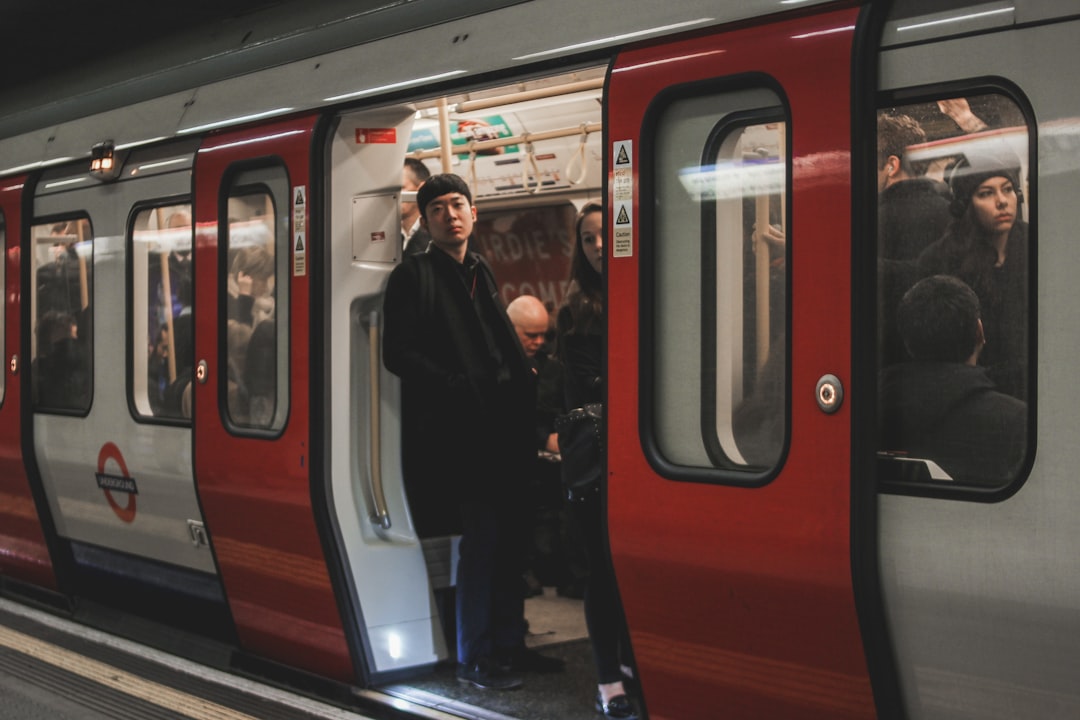
Car-free living in zone 2 London is one of the most practical lifestyle upgrades available to you right now. The transport network is stronger than ever, cycling numbers are at record highs, and nearly two-thirds of your inner London neighbours have already made this choice. Car-free living saves you money, improves your health, and deepens your connection to this extraordinary city. Start with 1 car-free week, map your journeys, and see how naturally it comes together. London is ready for you, on foot, on a bike, and on the Tube.
Discover more about car-free living
- London’s Cycleway network expands to cover more than 400km
- TfL Travel in London 2024: Car ownership trends report
- Cycling journeys in London up by 43% with 1.5m trips made every day
[End of deliverables]