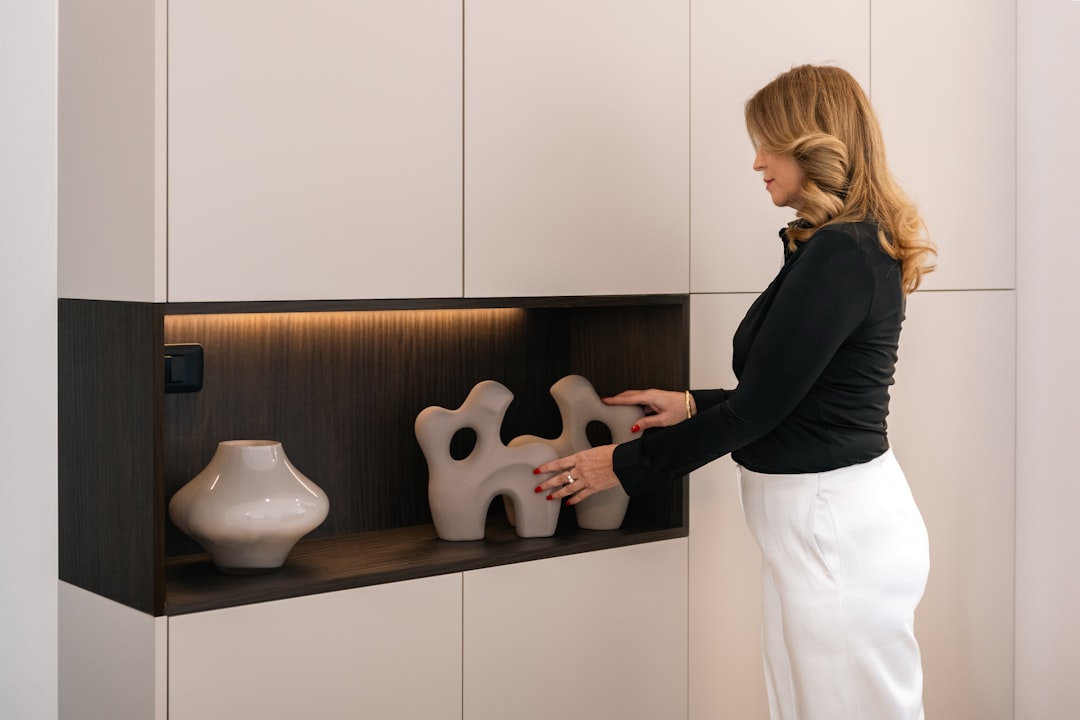
Rental flat living in London can feel like borrowing someone else’s space, and for a long time I accepted that reality, until I stopped and decided to do something different.
Read your tenancy agreement first
Every rental flat story begins with a document most people skim once and forget. Your tenancy agreement is the single most important tool you have. Most tenancy agreements prevent the tenant from making any alteration, including decorating, without the landlord’s written consent, and that restriction is standard and enforceable. Read every clause carefully before you buy a single cushion.
Look specifically for language about painting, drilling, and fixtures. The questions of decoration and alteration are left entirely to the tenancy agreement. It is a matter of contract rather than housing law. That means your rights depend on what your specific document says, not on any general rule.
If you want to make a change and the agreement is unclear, ask. Make a clear written request that explains the work, who will do it, timings and any safety or building approvals. Keep copies of every exchange and photos of the property before work starts. A short email to your landlord costs nothing and protects everything.

Reversible decorating for a rental flat
The word “reversible” is your guide. Anything you can remove cleanly before you leave is almost always safe. Textiles are the fastest way to shift the feeling of a room. A large woven rug, linen curtain panels hung from a tension rod, and layered cushions can transform a cold box into something that feels genuinely lived in.
Removable wallpaper and peel-and-stick wall panels have improved enormously in quality. They apply without paste, remove without damage, and come in hundreds of patterns. Many London renters use them as a single feature wall behind a bed or sofa. The effect is dramatic, and the exit is clean.
Freestanding furniture does all the structural work without touching a single wall. Tall bookshelves, open clothing rails, modular storage cubes, and room dividers define space and add character. Durable, long-lasting furniture reduces replacement cycles. Timeless, neutral interiors photograph better, list faster and hold appeal across many tenancies. Choose pieces you will want to keep when you move.
Sustainable choices that protect your deposit
Choosing sustainable furniture is not just good for the planet. It is also good strategy for a rental flat. Buying furniture is no longer just about filling a room; it is about making choices that align with personal values and global responsibility. This move towards sustainable living is not just a passing trend; it is becoming part of the DNA of British households.

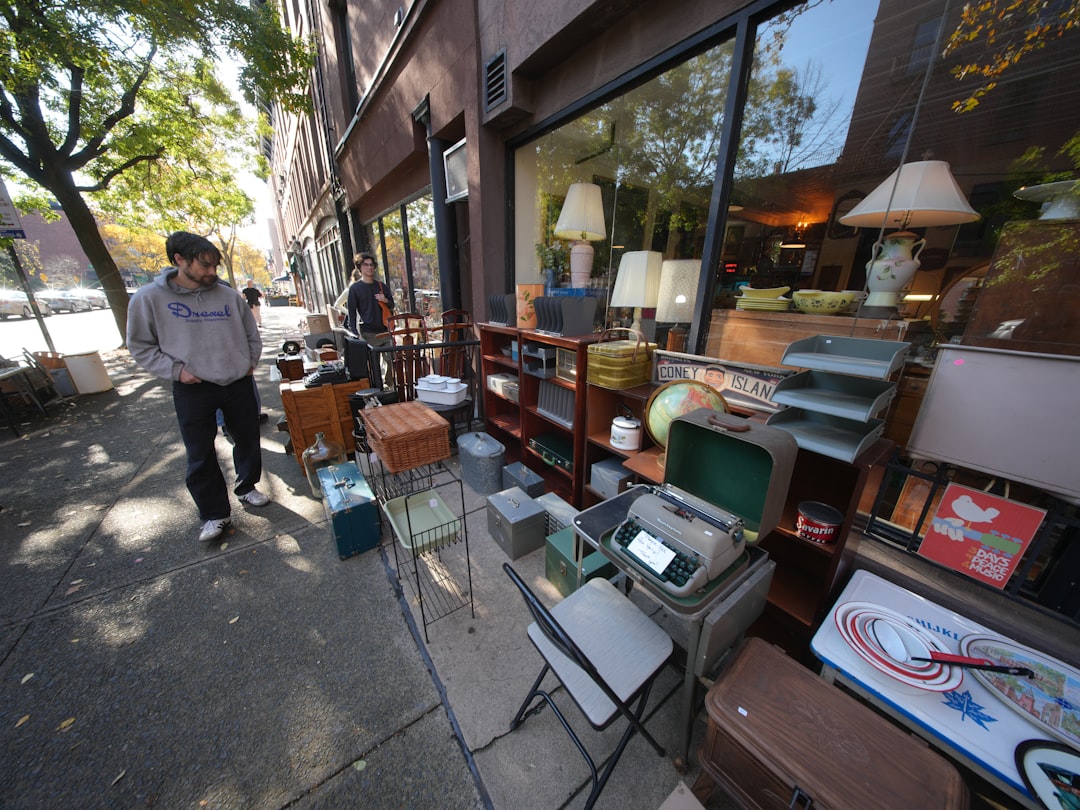
Secondhand and reclaimed furniture carries no new environmental cost, and it is often more solid than new flat-pack alternatives. Markets in Brixton, Bermondsey, and Portobello Road are excellent sources. A reclaimed oak side table or a vintage ceramic lamp will outlast 3 rental moves and still look beautiful.
Consumers are increasingly opting for furniture rental services to save costs, reduce waste, and have access to high-quality and stylish furniture without the commitment of ownership. Several London-based services now offer monthly subscriptions for sofas, beds, and shelving. This is a particularly smart option if you move frequently or are new to the city.
Expert perspective on sustainable rental living
Renters represent a huge and underserved audience in the sustainable home movement. When someone furnishes a rental flat with reversible, low-impact choices, they create proof that you do not need to own a property to live responsibly. The biggest shift we are seeing is renters treating secondhand and rental furniture not as a compromise, but as a genuine first choice. That mindset change matters because renters make up nearly 1 in 5 households in England. Their collective purchasing decisions shape the supply chain just as powerfully as any homeowner’s. The industry is responding with more beautiful, durable, and sustainable products aimed directly at this group.
Industry perspective, sustainable home and furniture professionals in London
Lighting and plants: low-cost, high-impact tools
Lighting is the easiest legal change you can make to a rental flat. Replace overhead bulbs with warm-spectrum alternatives. Add plug-in floor lamps and table lamps to every corner. The difference in atmosphere is immediate, and no tenancy agreement restricts bulb choices.
Plants bring texture, colour, oxygen, and calm. A cluster of 3 plants at different heights in a corner costs less than a print and delivers more visual warmth. Trailing varieties like pothos or devil’s ivy work especially well on shelves or windowsills. They also improve air quality, which matters in smaller London flats.






Use scent as a layer of atmosphere, not decoration. A natural soy candle or a small reed diffuser signals that a space is cared for. These details are invisible in photos but felt immediately by anyone who enters. They make a rental flat feel like a home.


How to leave without losing your deposit
The end of a tenancy is where many good intentions fall apart. Plan your exit from day 1. Your tenancy agreement usually says you have to return the property in the same decorative state as when you moved in. If you make unauthorised changes, expect to pay to put things back.
Take dated photographs of every room on the day you move in. Store them somewhere safe. Keep records, take photos before and after work, and communicate clearly to reduce conflict with your landlord. This simple step takes 10 minutes and can save hundreds of pounds.
In practice, many landlords are willing to allow changes on a longer tenancy, provided the tenant agrees the colours in advance, uses appropriate materials, and returns the property to its original decorated state at the end of the tenancy. The key word is “agreed.” Ask early, get it in writing, and keep that record.
Making a rental flat feel like home
A rental flat in London does not have to feel temporary. The most sustainable approach is also the most practical: choose reversible pieces, protect your deposit, and invest in items you love enough to carry with you to the next place. That is the philosophy of living lightly and living well.
Every plant, every lamp, every piece of secondhand furniture you choose is a small act of care, for your wellbeing, for the planet, and for the next person who will live in that rental flat after you. Start with 1 change today, not everything at once, and let the space grow with you. If this article gave you a useful idea, share it with another London renter who needs it.