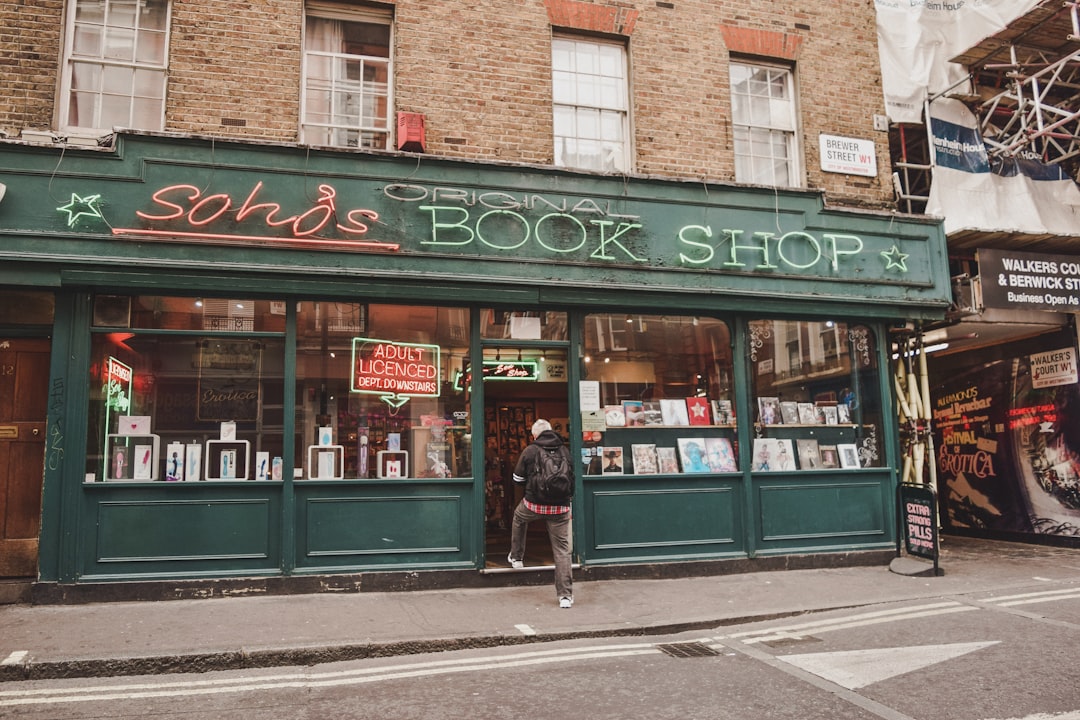
Independent bookshops across London do not simply survive August. They use it, and that distinction matters more than most retail analysts want to admit.
Why August is different for books
August is the month when fashion chains discount to clear stock, when footwear brands run “end of season” events, and when general retail footfall falls across the capital. The data supports this picture. High street footfall in the UK fell 2.5% from October to December in 2024, according to the British Retail Consortium. That trend has a summer version too, when tourists pass through but do not always spend locally.
Independent bookshops operate on a different calendar. August is the height of the summer reading season. Families want books for children before the school term starts. Adults carry novels to parks, to gardens, and to the banks of the Thames. The influence of social media has fuelled the growth of independent bookstores, and the trend toward them reflects a wider social shift to localism and community-focused retail. In a slow retail month, that community attachment becomes the single biggest competitive advantage these shops hold.
The question is not simply why people still buy books. It is why they choose to buy them in person, from a small shop on a side street in Islington or Hackney, rather than clicking once and waiting for a package. The answer tells us something important about what retail, and perhaps London itself, actually needs.

The community model and its power
Over 700 independent bookshops took part in the 2025 Independent Bookshop Week campaign, and these spaces go far beyond selling books. They are hubs of conversation, connection, and creativity. That description sounds soft, but the commercial logic behind it is hard. A shop that hosts a sold-out author event in June builds a loyal customer base that returns in August.
From book signings with well-known authors to live readings for children, independent bookshops offer a vital place for communities to come together to discover and discuss new works. This programming strategy does not belong only to the biggest names. Small shops in Hackney, Camden, and Richmond run events consistently, month after month, and those events translate into repeat visits.
Independent bookshops continue to outperform the wider retail sector, which saw about 37 shop closures per day in 2024. That figure should stop anyone who claims that small retail has no future in London. Independent bookshops are not simply surviving. They are demonstrating a model that works precisely when the broader sector stumbles.
What curation does that algorithms cannot
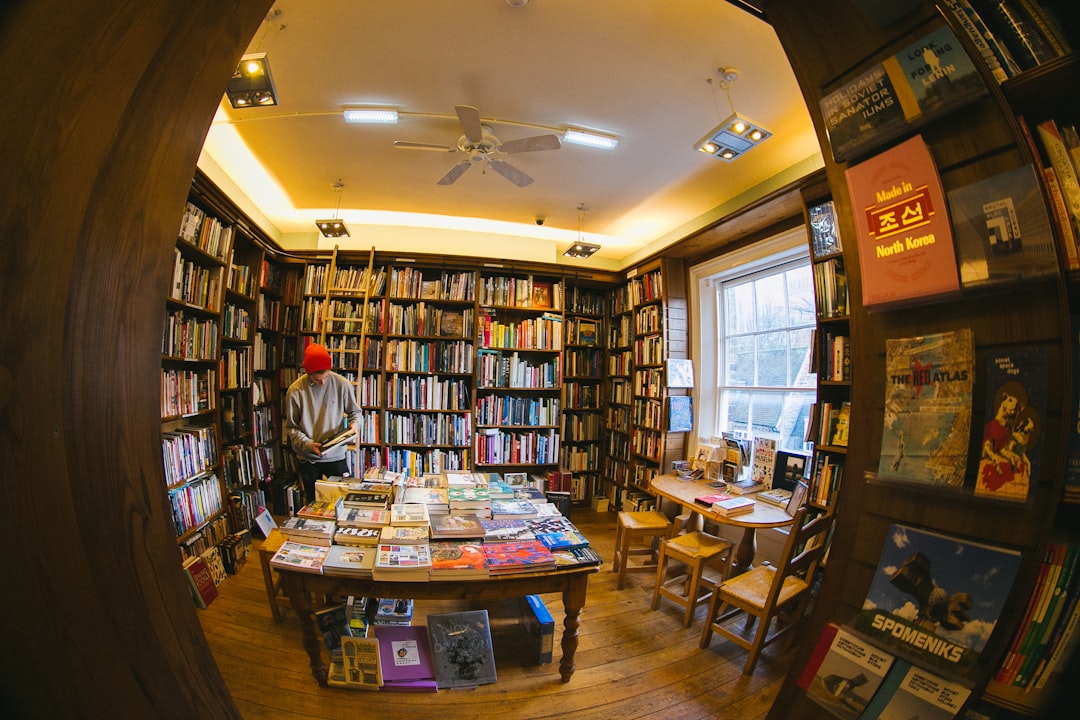
Ask anyone who works in an independent bookshop about their job, and they will not describe a warehouse operation. They will describe a conversation. Booksellers read the stock they sell. They know their customers by name. They place a book in a person’s hand and say: “This one. Trust me.” No algorithm at any online retailer does that with the same accuracy or warmth.

The Booksellers Association’s Independent Bookshop Week highlights the unique qualities of independent bookshops, from carefully curated shelves to personal customer service. That curation model is not decorative. It is why readers return. A summer customer who discovers a new author through a bookseller recommendation becomes a loyal reader who comes back every season.
The rise of BookTok, the book-focused community on TikTok, has helped to secure the future of independent bookshops, with London’s hotspots including Camden, Hackney, and Richmond. Social media amplifies what booksellers already do: make personal, passionate recommendations. The difference is that an independent bookshop gives readers a physical space in which to act on that enthusiasm immediately.
Expert perspective on the independent bookshop sector
Independent bookshops occupy a genuinely unique position in the UK retail landscape. They do not compete on price, and they do not try to. They compete on trust, knowledge, and the depth of relationship they build with their communities. In August, when many retailers retreat into discount cycles and reduced staffing, independent bookshops tend to maintain or even increase their programming. Summer readers are motivated buyers. They walk in knowing they want a book, and a skilled bookseller can turn that one purchase into a relationship that lasts years. The political question that nobody asks loudly enough is why local governments and planning authorities do not treat these shops as essential community infrastructure, the way they treat libraries or health centres. Because functionally, that is increasingly what they are.
Industry perspective, independent bookselling and community retail professionals in London
The numbers behind the resilience
Independent bookshops still performed better than the wider retail sector in 2024, and their membership numbers remain well above the 2016 low of 867 shops. That recovery did not happen by accident. It happened because independent booksellers adapted, built communities, and refused to compete on the terms that chain retail and e-commerce set for them.
The Booksellers Association welcomed 45 new independent bookshops opening in 2024 as a continued vote of confidence in bookselling. In a year when thousands of other shop formats closed every month, that number represents real determination. More independent bookshops saw year-on-year sales and footfall increases in 2024, and fewer saw decreases, compared to the previous year.




However, 85% of booksellers said they are now less likely to invest in stock, staffing, and events as a direct result of business rate changes. That is the political reality sitting behind every heartwarming story about a beloved bookshop. The model works. The policy environment does not always support it. London’s independent bookshops thrive despite that pressure, not because of any help from above.


Conclusion: what independent bookshops teach us
Independent bookshops in London answer a question that most of retail has stopped asking: what does a customer actually need from a physical shop? The answer is not just product. It is knowledge, belonging, and trust. Every August, when the rest of the high street slows, independent bookshops demonstrate that a different retail model is possible. They do it with events, with curation, and with staff who genuinely care about books.
The harder question is whether the city and the government that runs it will choose to protect these spaces before they disappear. Independent bookshops are not a nostalgia project. They are one of the most functional and democratic public spaces London has left. Visit one this August, and pay attention to how it makes you feel.