The Lambeth Country Show has been cancelled for 2026, and that fact alone tells you more about London’s community culture than any attendance record ever could.
What the show has meant to south London
The Lambeth Country Show is a free annual festival held in Brockwell Park in Lambeth, south London. Its roots go back to 1967, when it began as the Brockwell Park Flower Show, organised by the Lambeth Horticultural Society and the Lambeth Arts and Recreation Association. Lambeth Council took over management in 1974 and built it into the event it became.
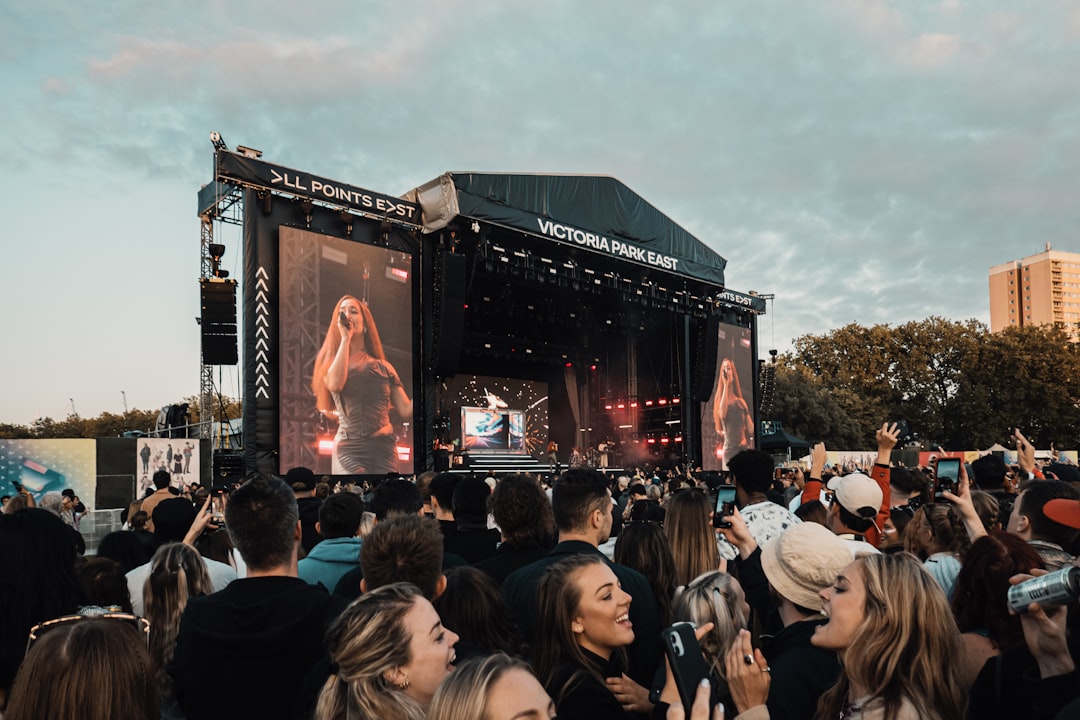
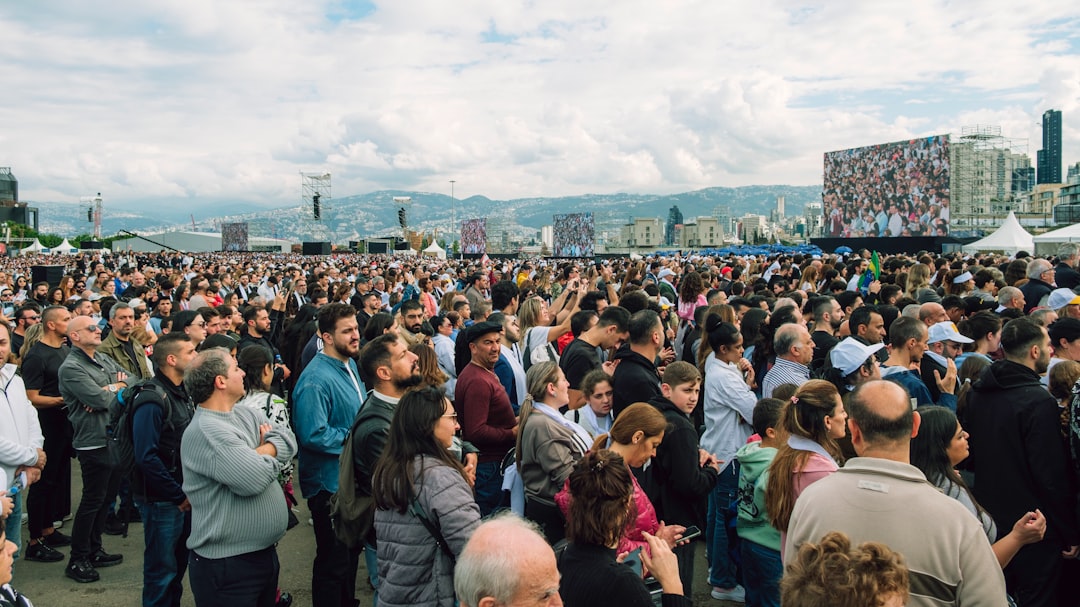
By the mid-1980s, major music artists joined the programme, and the park drew crowds of 200,000. In more recent years, the show welcomed around 120,000 people across the weekend, a number surpassed only by the Notting Hill Carnival. That is not a small community gathering. That is a city event of real scale.
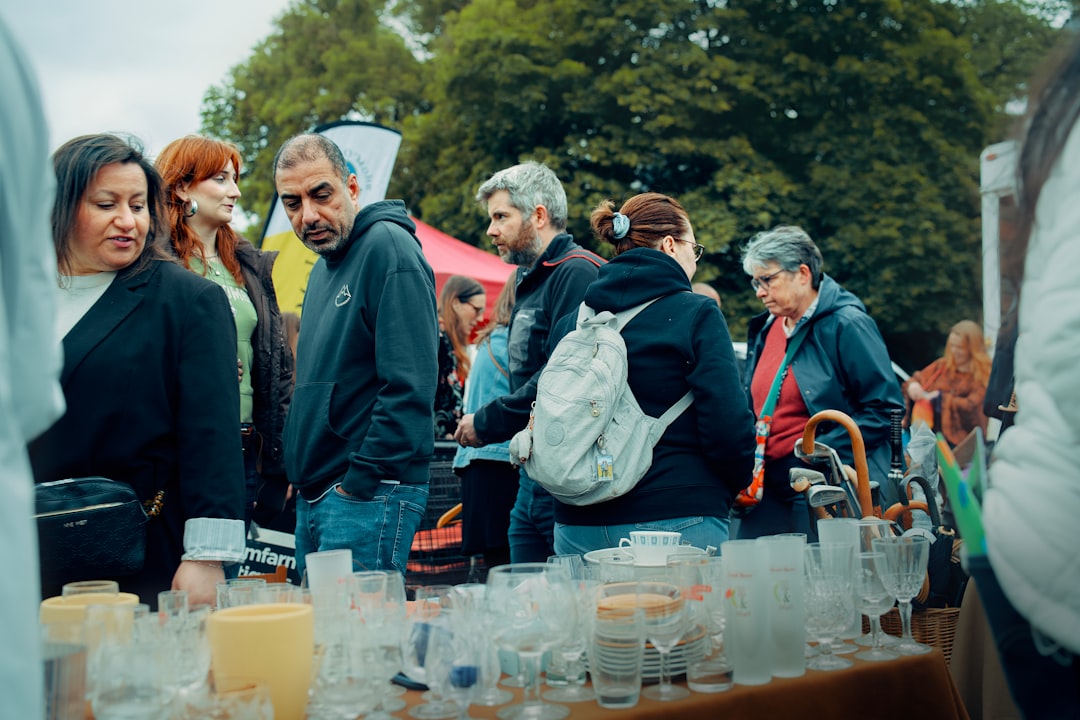
The show ran as a free family festival since 1974, with the local community at its centre. Beyond live music and street food, it provided a platform for local charities and community groups to engage directly with residents. A rich heritage of local charities and community groups maintained a presence at the show, helping celebrate the real diversity that Lambeth has to offer.

Why the 2026 edition did not happen
The Lambeth Country Show, historically a free annual family festival celebrating city and countryside, was cancelled for 2026. Lambeth Council confirmed the cancellation in December 2025, citing budget pressures and legal challenges related to event limits at Brockwell Park.
The council needed to save £84 million over 4 years and could no longer justify subsidising the show. Running the 2-day event would have cost the council £1 million. That context is real. Local government finances in London are under serious pressure. But the budget argument does not tell the full story.
Lambeth Council axed the Lambeth Country Show to ensure the rest of the Brockwell Live programme could proceed legally. A High Court ruling in May 2025 found that events at Brockwell Park had exceeded the legal limit of 28 permitted event days. The council had initially vowed to appeal, but instead abandoned the legal challenge and removed the 2-day show to comply.
The question nobody wants to answer directly
Here is the detail that demands attention. A range of paid Brockwell Live festivals, including Field Day, Cross the Tracks, and Mighty Hoopla, did go ahead in 2026. Brockwell Live applied for special planning permission, which Lambeth Council then approved.

Many residents asked why the borough’s biggest free community event was the first casualty of the Brockwell Park legal situation. The council’s own statement subtly shifted focus toward the High Court ruling rather than the administration’s handling of the planning process.
Campaigners questioned whether the balance between private profit, public income, and environmental impact was appropriate for a busy urban park that also serves as vital green space for residents. That is not a fringe concern. It reflects a structural problem many global cities face: public space bends toward commercial interest when money is short.
Community voice on the loss
Free community events are not optional extras for a borough like Lambeth. They are infrastructure. When a local authority cancels a free festival that has run for over 50 years while maintaining paid commercial festivals in the same park, it sends a clear message about priorities. Community groups, local charities, and smaller organisations depend on spaces like the Lambeth Country Show to reach the people they serve. Those groups do not have marketing budgets or ticket revenue. They rely on shared public moments to exist in the wider life of the city. The question is not whether a council faces financial pressure. Every council does. The question is which events survive that pressure, and why.
Community and culture sector perspective, south London events and public space professionals
The broader picture for London’s free festivals
The Lambeth Country Show is not isolated. Across London, free public events face similar pressures. Budgets fall, parks face overuse claims, and legal frameworks that were once ignored now carry weight. The legal challenge brought by Protect Brockwell Park and the High Court ruling placed real constraints on how often and how intensively the park can be used for major events. The judgment explicitly interpreted planning limits on event days, including set-up and dismantling time.
The campaign group Protect Brockwell Park, backed by actor Mark Rylance, argued that major shows at Brockwell Park were unsustainable due to access and environmental concerns. They were not opposed to the Lambeth Country Show itself. They called for a return to a lower-impact, community-led format, with a greater share of private operator profits used to fund that event. That distinction matters. The conflict was never simply about cancellation.
The show had provided community celebration and access to cultural activities at no cost, which is significant for local families. The council offered no detailed plans for alternative community events, highlighting the difficult decisions local authorities face when balancing financial realities against resident interests.



What this moment reveals
The Lambeth Country Show’s absence in 2026 is a signal, not just a scheduling gap. London’s community culture runs deepest when it is free, open, and led by the people who actually live in a place. The show celebrated its 50th anniversary in 2024. A 50-year institution does not disappear without consequence.
The Lambeth Country Show represents something specific: a model where a council invests public money to create genuinely public space. When that model collapses, community organisations lose visibility, local culture loses a stage, and residents lose something that money cannot directly replace. The question for 2027 and beyond is whether Lambeth, and London more broadly, will treat free community events as essential or as expendable. The answer will define what kind of city this is.