
Budget London planning rewards careful visitors who treat the city not as an expensive obstacle but as a generous place that hides its best value in plain sight.
Free culture carries the whole trip
London holds a real advantage for budget travellers. General admission is free at the British Museum, the National Gallery, Tate Modern, the V&A South Kensington, and the Natural History Museum, even though some temporary exhibitions still charge separately. That is a full 3 days of serious cultural activity at zero entry cost.
Start with the British Museum in Bloomsbury on your first morning. It is one of the world’s most visited free tourist attractions, with an incredible collection of Egyptian mummies, Greek sculptures, and global artifacts. In the afternoon, cross the river to the South Bank. Tate Modern offers free entry to cutting-edge modern and contemporary art in a converted power station, and the top-floor viewing level gives panoramic city views at no extra charge.
On day 2, visit the National Gallery at Trafalgar Square. It houses masterpieces by Van Gogh, Da Vinci, Monet, and other legendary artists. Then walk to the V&A in South Kensington for the afternoon. Together, these 4 institutions give a budget London weekend genuine cultural weight that most paid itineraries cannot match.

Smart accommodation choices
Where you sleep has the biggest impact on your total cost. Hostels and guesthouses in King’s Cross, Paddington, or Shoreditch offer basic rooms starting from £30 to £60 per night, often including Wi-Fi and sometimes breakfast. These 3 neighbourhoods connect directly to major Tube lines, which keeps your transport simple.
London’s accommodation costs can make or break your budget, and choosing the right neighbourhood often matters more than the hotel star rating. The city’s zone system means staying further out typically costs less while still keeping you well connected to central attractions. If you want a middle option, areas around Borough Market in South London deliver authentic experiences at more reasonable rates, with independent hotels and guesthouses that generally cost 30 to 40% less than their Zone 1 counterparts.
Booking accommodation 2 to 3 months ahead secures 20 to 40% savings compared to last-minute reservations, with hotel rates increasing as availability reduces. Book early, choose wisely, and your accommodation budget stays manageable.
Transport on a tight budget
London’s public transport is extensive and easy to use with a contactless card or Oyster card. A single bus fare costs just £1.75, and unlimited bus travel using an Oyster card or contactless payment costs £5.25 for the whole day. The Hopper fare allows unlimited bus or tram journeys free within 1 hour of your first tap. This single rule saves money on every multi-stop journey.

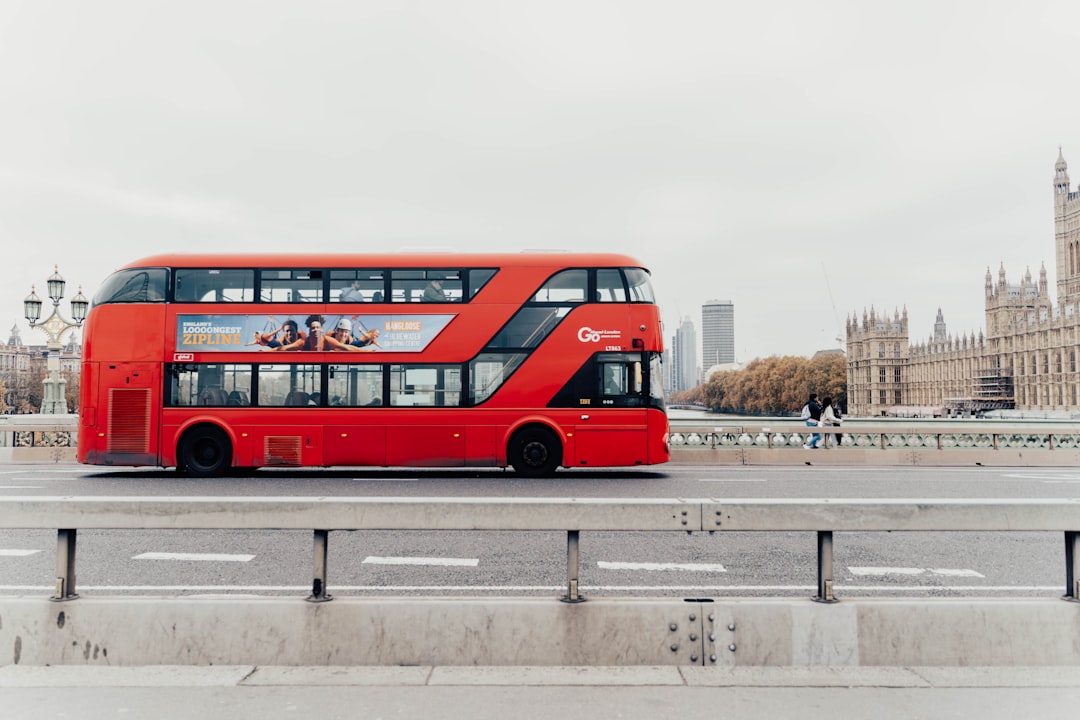
London’s iconic double-decker buses are not just transport but an experience. Sitting on the upper deck is a budget tour of the city, and daily bus and tram travel caps at £5.25 with contactless payment. Route 15 passes St Paul’s Cathedral, the Tower of London, and Trafalgar Square, making it essentially a sightseeing tour for the price of a regular bus fare.






For cycling, Santander Cycles is London’s public bicycle hire scheme and a good option to get around for less. It costs £1.65 to hire a bike for 30 minutes, with day passes available from £3.50. Walking between central attractions is also practical. A free riverside walk from the London Eye to Tower Bridge takes about 1 hour without stops.
Local perspective on budget London
Planning a budget London weekend well means accepting that the city will do the work for you, if you let it. London’s publicly funded museums are world-class institutions, not second-tier alternatives to paid attractions. The South Bank riverside walk alone connects 6 or 7 major cultural sites within one hour on foot, all for free. The mistake most visitors make is spending money early on taxis and tourist restaurants before they understand the city’s rhythm. Spend the first half-day walking and using buses only, and you will recalibrate your whole approach to cost. A genuinely frugal long weekend in London can leave you feeling richer in experience than a rushed, expensive one.
Industry perspective, budget travel and cultural tourism professionals in London
Eat well without expensive restaurants
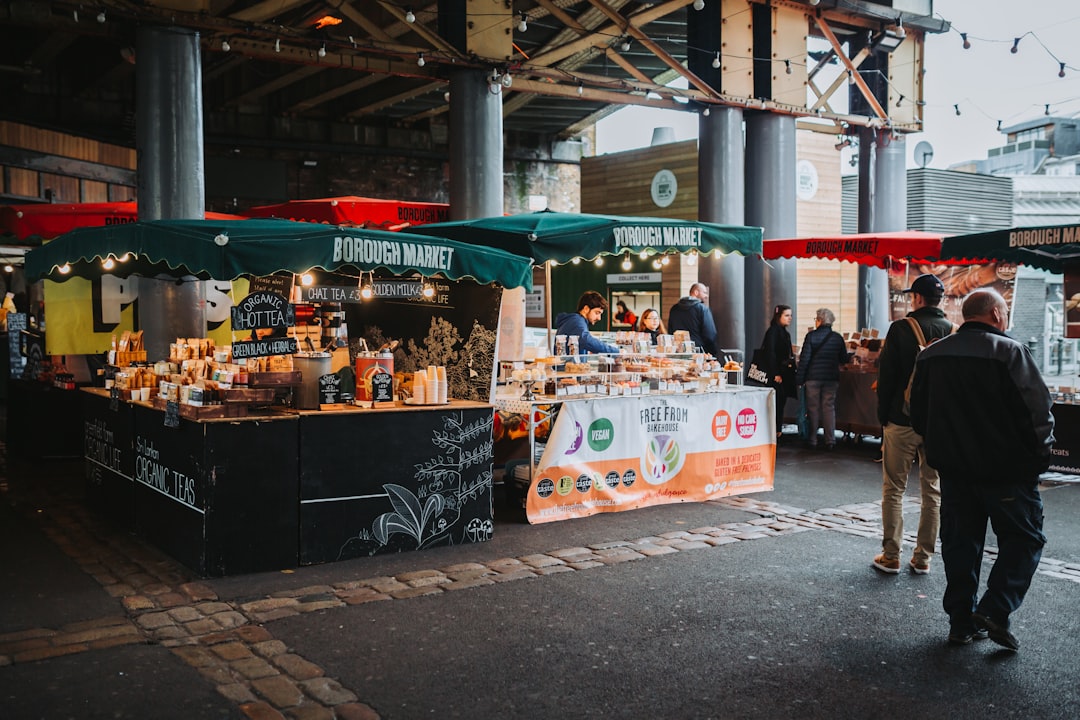
Borough Market is one of London’s oldest and best food markets, with full trading Tuesday to Saturday and shorter hours on Sundays. For fewer crowds and maximum choice, go on a Thursday morning. You can eat well by sampling artisan bread, cheese, and global street food instead of sitting in expensive restaurants.
Supermarket meal deals are a practical tool that locals use every day. Most major supermarkets sell a sandwich, snack, and drink for around £3.50 to £4.50. Combine this with a hot meal from a market stall at lunchtime, and your daily food cost stays well below £20 per person.
A realistic daily budget for London ranges from £60 to £80 for travellers who use public transport wisely, enjoy street food or markets, and take advantage of free attractions. This figure is achievable with planning, not luck.

Conclusion: budget London is a real option
A budget London weekend is not a reduced version of the city. It is, in many ways, the most honest version. The museums, the markets, the parks, and the riverside walks form the core of what makes London exceptional, and almost all of them cost nothing to enter. Plan your accommodation 2 to 3 months early, use a contactless card for all transport, eat at Borough Market instead of tourist restaurants, and fill your days with the free institutions that London funds for everyone. A budget London trip of 3 days, done with this approach, delivers a genuinely full experience. Come curious, walk often, and the city rewards every pound you save.
Discover more about budget London
- Budget London: free and cheap things to do
- Cheapest ways to travel in London: save money on transport
- London on a budget: money-saving travel tips
[End of deliverables]