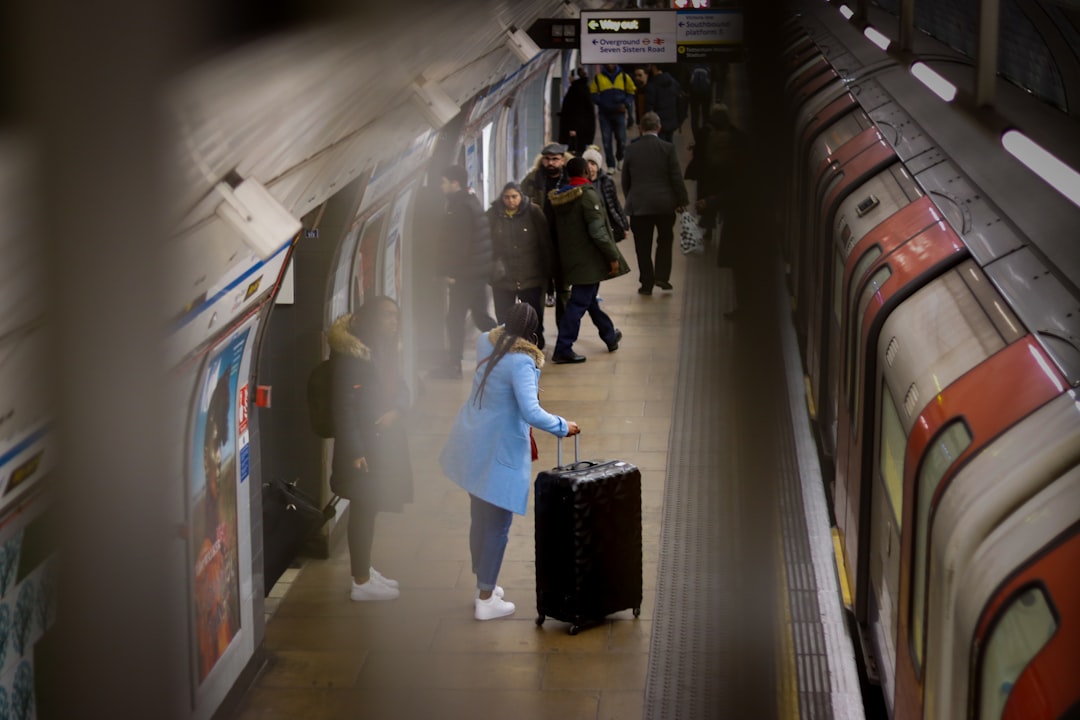
City breaks from London are closer than most people realise, and August is the month to prove it.
Paris: the classic that still delivers
Paris remains the most popular of all city breaks from London for good reason. The Eurostar service takes you from St Pancras International to the French capital in under 2 hours and 30 minutes. That is faster than many domestic UK train routes.
The city rewards visitors who move beyond the obvious. Skip the Champs-Élysées crowds in August and go instead to the Canal Saint-Martin in the 10th arrondissement. The waterside cafés, independent bookshops, and local food market on Rue Alibert give you a Paris that feels lived-in rather than performed. Book your Eurostar ticket at least 3 weeks ahead for August departures to secure the best fares.
Also, arrive before noon. A morning arrival gives you a full day, and Paris empties of locals in August, which means shorter queues at the Musée d’Orsay and easier reservations at normally packed bistros in the Marais.

Brussels: compact, underrated, and very easy to reach
Brussels is one of the most efficient city breaks a London traveller can make. You can reach Brussels in around 2 hours from St Pancras, and the station drops you directly into the centre of the city. There are no long transfer rides to navigate.
The city has a strong local food culture that most visitors miss. The Ixelles neighbourhood, south of the Grand Place, has neighbourhood restaurants, weekly markets, and a mix of French and Flemish influence on the menu. Moules-frites here costs half the price of the tourist-facing restaurants near the main square.
Brussels also has 3 world-class art institutions within walking distance of each other: the Royal Museums of Fine Arts, the Magritte Museum, and the BOZAR Centre for Fine Arts. For a 2-night break, that is a genuinely full cultural programme without any rush.
Lille: the insider choice that almost nobody takes
Lille is the most overlooked of all European city breaks reachable from London. Eurostar’s shortest route is between London and Lille, which takes about 1 hour and 22 minutes. That travel time is shorter than the commute many Londoners make to work each morning.

The city has a distinct identity. It sits at the crossroads of French and Flemish culture, and its architecture, food, and accent all reflect that dual heritage. The Vieux-Lille district is built on narrow cobblestone streets lined with 17th-century Flemish baroque facades. It is genuinely beautiful and consistently undervisited.
Go in August and you benefit from warm weather, open terraces, and a pace of life that feels slower than London by several degrees. The local speciality is Welsh, a hot cheese and ham dish served on bread, which exists nowhere else in France. It is worth trying at least once.
Expert perspective on sustainable train travel from London
Train travel from London to continental Europe is growing every year, and the reasons go beyond convenience. When passengers choose rail over short-haul flights for their city breaks, the carbon reduction is substantial. Eurostar estimates that train travel cuts CO₂ emissions significantly compared to equivalent flights on the same routes. The tourism industry is watching this shift closely because it changes where travellers go, how long they stay, and how much they spend locally. Shorter, more frequent trips by train tend to favour smaller cities and neighbourhood economies over large, overtouristed landmarks. This is a structural change, not a trend, and the cities that position themselves for rail-connected visitors now will benefit most over the next decade.
Industry perspective, sustainable tourism and European rail travel professionals
Amsterdam: canals, museums, and a city that works on foot
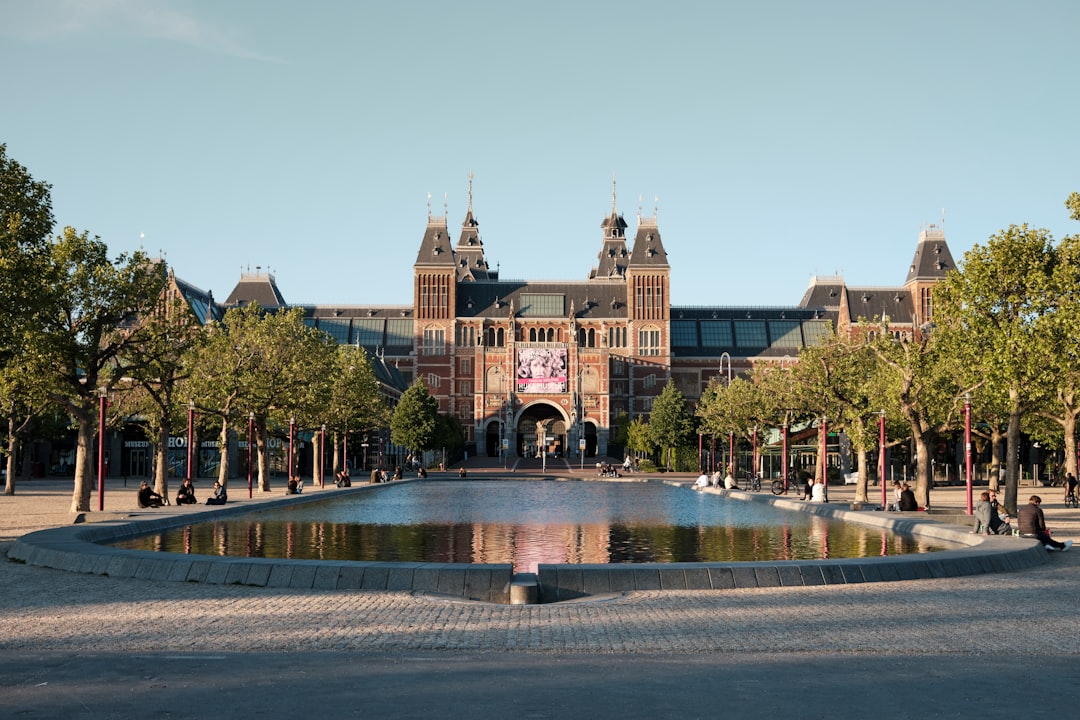
Amsterdam offers European city breaks featuring canals, world-class museums, shopping, and vibrant nightlife. The Eurostar from London to Amsterdam goes direct to the city in around 4 hours and 4 minutes. That sits just over the 3-hour mark, but the direct service requires no change of train, which removes most of the friction of longer journeys.
Amsterdam in August is busy, so the key is to plan your mornings well. The Rijksmuseum and the Van Gogh Museum both open at 9 AM, and the first hour is significantly quieter than the rest of the day. Book timed entry tickets online before you travel. The museums are non-negotiable, but the city also rewards walkers who simply follow the canal rings outward from the centre.






The Jordaan district, west of the main canals, is the neighbourhood most residents recommend to visitors. It has independent galleries, smaller cafés, and a food market on Saturday mornings at Noordermarkt. Arrive early for the cheese stalls.

Bruges: medieval architecture and slow travel done right
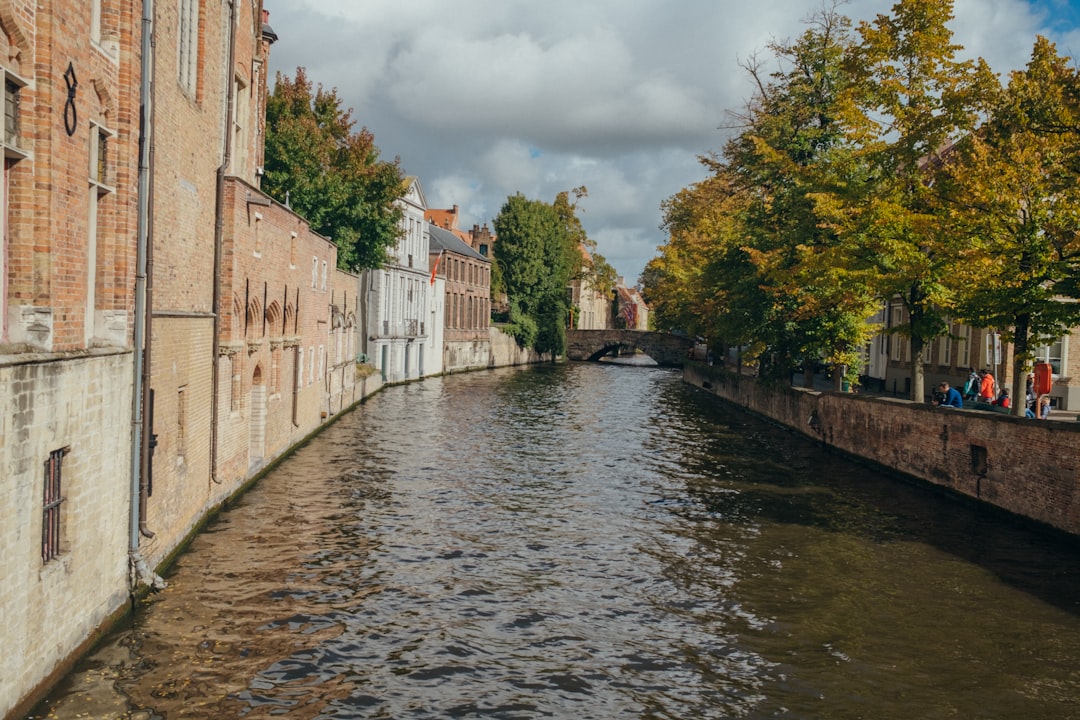
You reach Bruges from London by taking the Eurostar to Brussels, then a direct connecting train that runs frequently. Bruges is one of the best-preserved medieval cities in Europe, and its entire historic centre is a UNESCO World Heritage Site.
The city is compact and navigable on foot or by bicycle. The Markt square is the obvious starting point, dominated by the Belfry of Bruges, and you can climb 366 steps for views across the rooftops. Most visitors stay in the centre, but the Sint-Anna neighbourhood to the east is quieter and has a more local atmosphere with fewer souvenir shops and more neighbourhood bakeries.
Bruges can feel crowded in peak August. Plan your visit for a weekday and arrive before 10 AM. The canal boat tours fill up fast, so book tickets the evening before or first thing in the morning.
Book now and go this August
City breaks from London do not require long planning or expensive flights. These 5 destinations prove that Europe’s best urban escapes sit within 3 hours of St Pancras. High-speed trains take you to Paris, Amsterdam, or Brussels in as little as 2 hours from central London, with no airport queues, no baggage reclaim, and no transfers to navigate. City breaks from London this August reward travellers who book early and stay curious. Pick one destination from this list, book your train in the next 48 hours, and go. Europe is ready.