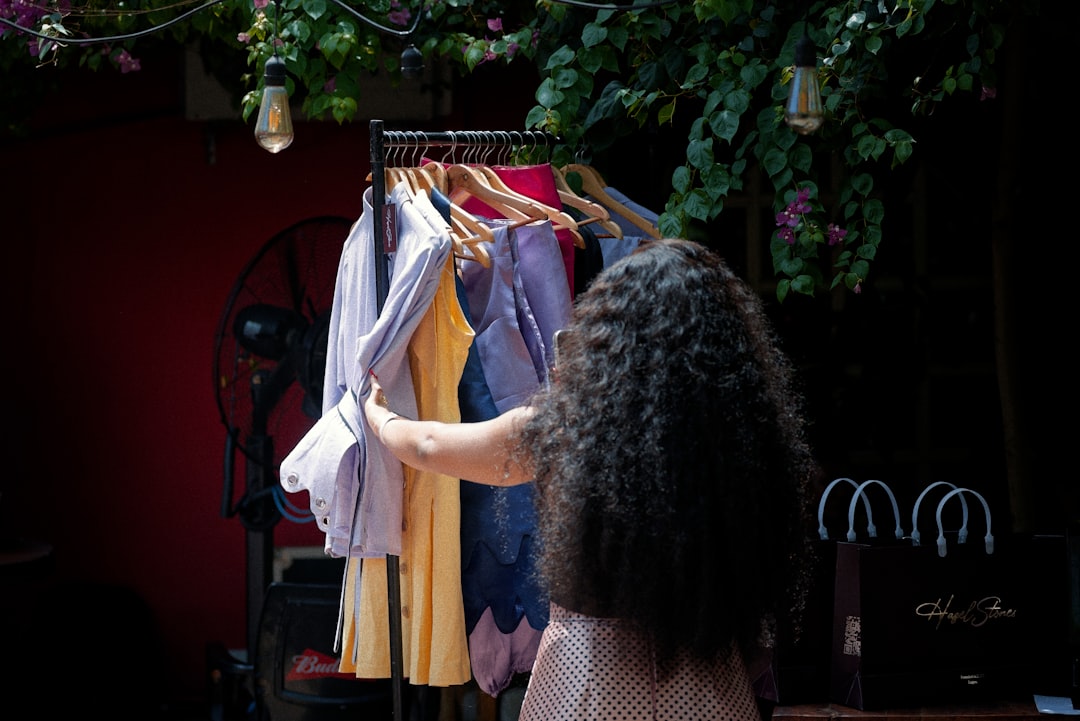
Sustainable wardrobe thinking changed how I pack for a London summer, and it started the moment I realised that 30 items in my wardrobe were doing the job of just 6.
Why London summers need a smarter approach
London summers are short, unpredictable, and socially intense. You move from a morning cycle through Victoria Park to a lunchtime meeting in Canary Wharf, then a rooftop dinner in Peckham, all in the same day. Most wardrobes are not built for that range. They are built for buying more.
A sustainable wardrobe solves this by asking a different question. Instead of “what is trending?”, it asks “what works hardest?” Research from the LSE Grantham Research Institute shows that restricting purchases to around 8 clothing items per year can reduce supply chain waste by 50%. That is a number worth pausing on.
The goal is not restriction. The goal is precision. A summer capsule of 10 to 12 pieces, chosen with care, covers more occasions than a crowded rail of impulse buys ever will.

Choose ethical fabrics first
The first decision in any sustainable wardrobe is fabric. This is where the real environmental cost lives. The global fashion industry produces greenhouse gas emissions equivalent to 1.2 billion tonnes of CO2 per year, more than shipping and aviation combined. Most of that harm starts at the fibre level.
For a London summer, linen is your best starting point. It breathes in humid tube carriages, it looks sharp at a Soho lunch, and it softens beautifully over time. Organic cotton is the second pillar. Choose pieces certified by GOTS (Global Organic Textile Standard), which confirms both environmental and social standards across the supply chain.
Avoid synthetic blends where possible. Recycled polyester, used in active pieces, is a reasonable exception. For everything else, natural fibres that biodegrade and age well are the ethical and practical choice.
Build around 5 core pieces
A functional capsule sustainable wardrobe for London needs anchor pieces that work across multiple contexts. Think of 5 core items that carry the weight. Start with 1 well-cut linen trouser in a neutral tone. Add 1 quality cotton shirt that moves from day to evening. Then include 1 lightweight dress or relaxed suit jacket, 1 versatile cotton knit, and 1 pair of leather or certified vegan shoes that work on both cobblestones and polished floors.

Around those 5 anchors, you add 5 to 7 support pieces: 2 t-shirts in organic cotton, 1 linen overshirt, 1 pair of tailored shorts, and 1 to 2 accessory pieces such as a canvas tote and a light belt. Every item must earn its place by working with at least 3 other pieces in the set.
Transitions between these items are natural when colours are considered. Choose a palette of 3 to 4 tones that all communicate. Warm neutrals, one deeper earthy shade, and one brighter accent piece give you variety without clutter.
Where to shop for a circular wardrobe in London
London is genuinely one of the best cities in the world for circular fashion. Brands built on slow production and honest materials are not hard to find here. East London Vintage (E.L.V.) Denim, based in Dalston, hand-cuts every piece from upcycled denim and has rescued more than 40,000 garments from landfill. Cawley Studio, now stocked at Liberty London, hand-cuts pieces from 100% natural fibres sourced from traditional mills across the UK, Ireland, Portugal, and Japan.
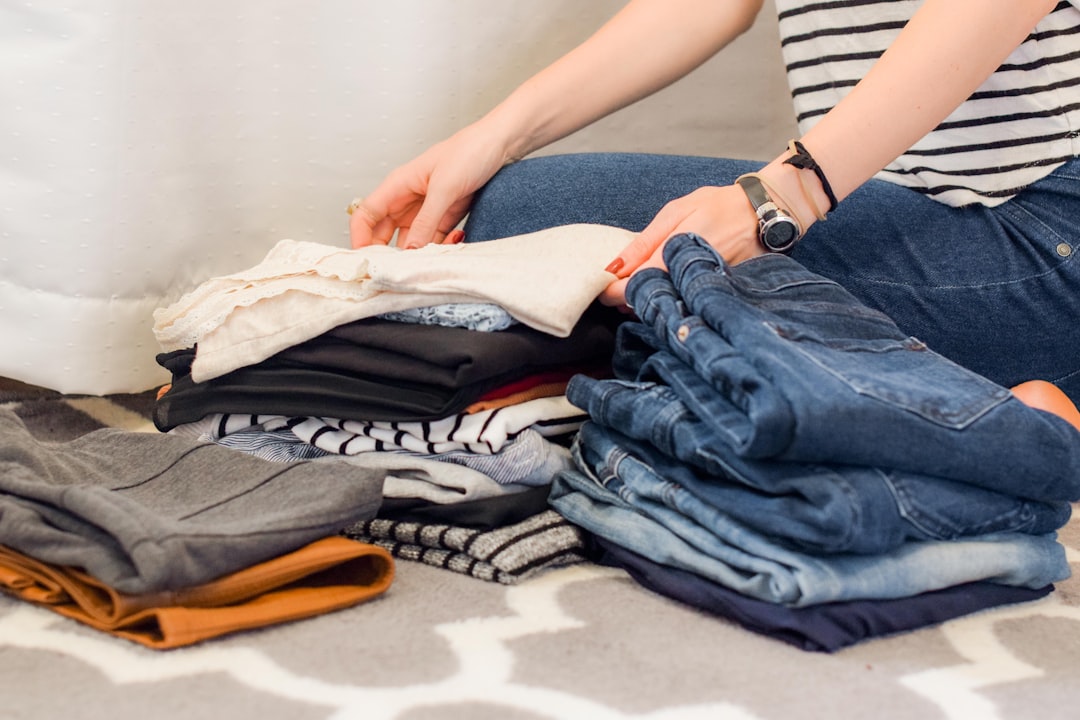
Beyond brands, the circular option is often even simpler. Clothing swap events appear regularly at community centres across Hackney, Brixton, and Islington. Depop and Vinted let you buy secondhand pieces from other Londoners directly. Borough Market and Spitalfields are reliable spots for discovering independent designers who work in small batches.
The British Fashion Council now requires NEWGEN programme participants to meet formal sustainability standards, including circular design principles covering repairability, recyclability, and reusability. This means that emerging London designers are increasingly building ethical practice into their foundations.
What sustainability professionals say about capsule thinking
A capsule sustainable wardrobe is not a style compromise. It is a structural shift in how we relate to clothing. When consumers commit to fewer, better pieces, they reduce overproduction pressure across the entire supply chain. The transparency conversation changes too. Brands that serve capsule buyers have to justify the quality, the origin, and the longevity of every piece they make. In London, we are seeing this demand grow fastest among consumers aged 25 to 40. They want materials they can trace, production they can trust, and garments that last more than 2 seasons. This is not a niche trend. It is the direction the entire industry is moving, and the city is one of the clearest signals of that shift globally.
Industry perspective, sustainable fashion and ethical retail professionals in London

How to care for your pieces and make them last
The most sustainable wardrobe is the one you already own, kept in good condition. Care is where most people lose the environmental benefit they gained by buying ethically. Hot washes shrink natural fibres and accelerate wear. Wash linen and organic cotton at 30 degrees or below, and line-dry wherever possible.
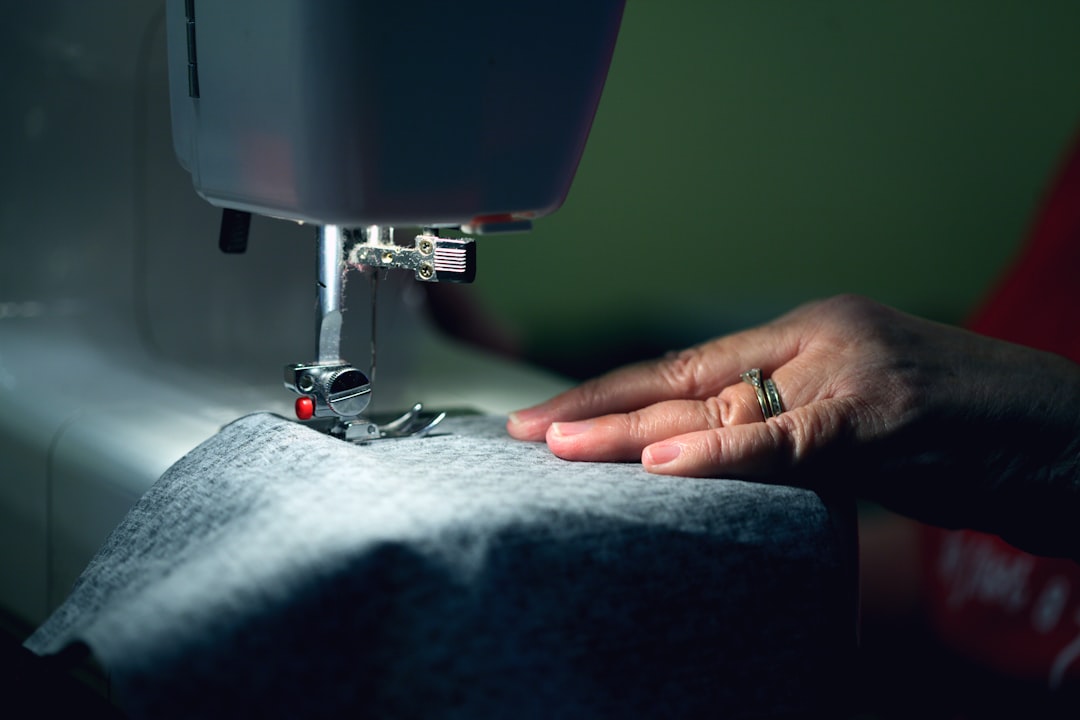
Repair is the second habit. London has a growing network of repair cafes, including regular events in Hackney, Lewisham, and Lambeth, where volunteers help fix garments for free. The Design Museum also runs upcycling workshops for those who want to rework older pieces.






Store knitwear folded, not hung, to keep its shape across seasons. Air pieces between wears rather than washing after every single use. These small actions extend garment life significantly, and a garment that lasts 3 times longer creates one-third of the environmental impact.
Your sustainable wardrobe is a practice, not a purchase
A sustainable wardrobe for London is not something you finish building. It is something you maintain, refine, and repair over time. Start with the 5 anchor pieces. Source them from ethical brands or secondhand markets. Choose linen, organic cotton, and certified materials. Care for them as if they matter, because they do.
Each season, ask whether you need to add anything at all. Most of the time, the answer is no. A capsule sustainable wardrobe that is genuinely used is worth more, to you and to the planet, than a full rail of pieces worn once. London gives you every resource to build one. The market, the repair cafes, the ethical brands, the swap events. All you have to do is start.