The Lambeth Country Show is one of the most genuine free community festivals in Europe, and in 2026 it is not on the calendar. If you planned to go this summer, or if you simply want to understand why south London is so upset, this guide tells you exactly what happened and what the show really means to the people who love it.
What is the Lambeth Country Show?
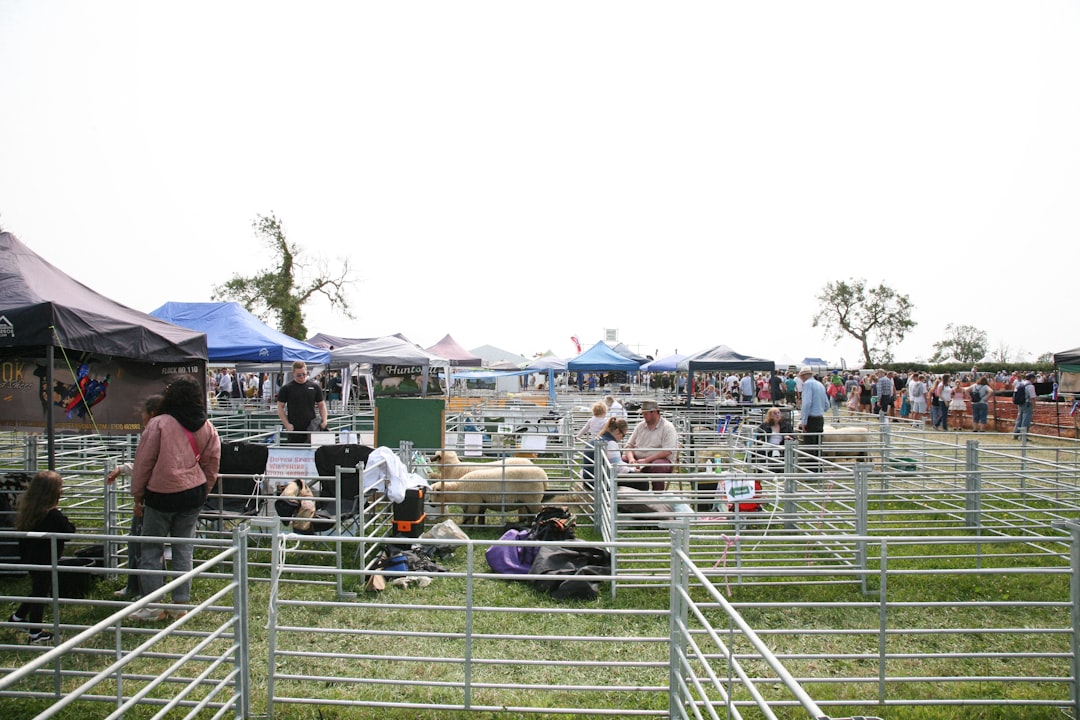
The Lambeth Country Show is a free festival that takes place annually in Brockwell Park in Lambeth, South London. It combines rural English traditions with the diverse, urban energy of Brixton and Herne Hill. The result is something that feels impossible on paper but works beautifully in practice.
The show was first founded as the annual Brockwell Park Flower Show in 1967, organised by the Lambeth Horticultural Society and the Lambeth Arts and Recreation Association. Lambeth Council took over management of the event in 1974 and developed it into what it is today. The show celebrated its 50th anniversary in June 2024.
The country show has run in Brockwell Park since the 1970s and regularly attracts around 120,000 visitors over a weekend, making it one of London’s biggest free outdoor events. For context, that number is second in London only to the Notting Hill Carnival. It is remarkable for an event that charges nothing at the gate.

What happens at the show?
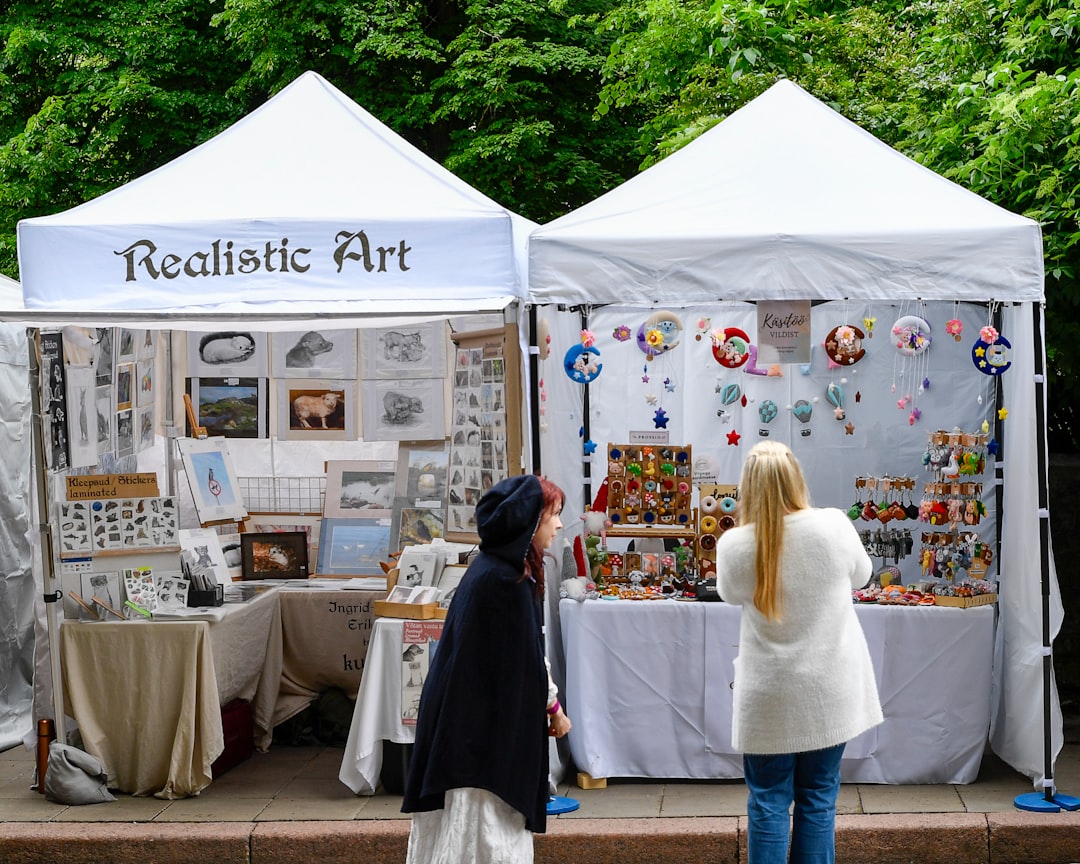
The festival hosts animal and livestock displays, agricultural demonstrations, craft displays including a popular vegetable sculpture competition, live music performances with Sunday designated for roots reggae, local community and charity groups, food and stalls, a funfair, and an educational entertainment programme for children.
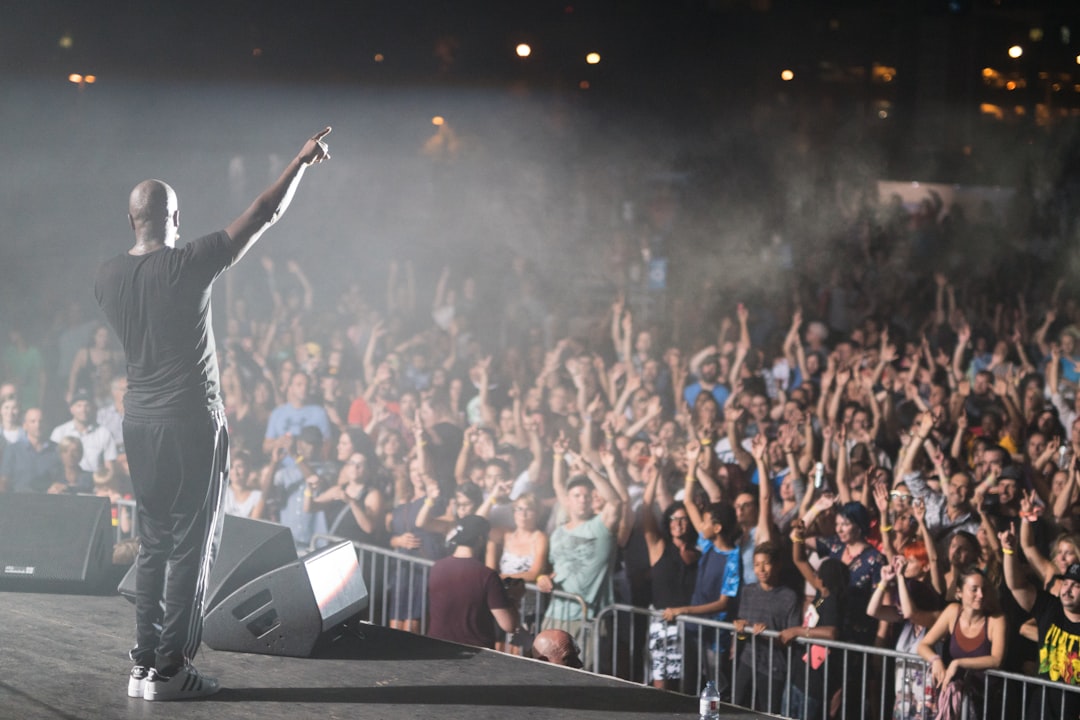
The Village Green Stage offers a mix of genres including local steel and samba bands, choir, acoustic folk, soul and pop. The Main Stage plays well-known hits and funk, soul and disco on Saturday, while Sunday is dedicated to ska, dub and reggae acts from across the globe. Sunday, known as Roots Day, is a genuinely special experience for anyone who loves Caribbean and British music history.
Acts who have played the main stage include Mad Professor, Saxon Sound, Alabama 3, Soul II Soul, Horace Andy, Twinkle Brothers, Luciano, Loose Ends, Aswad and Alison Limerick. The vegetable sculpture competition draws its own loyal crowd. Past entries have included political figures built entirely from root vegetables. It is joyful, and very British.
Why is the Lambeth Country Show cancelled in 2026?
Lambeth Council cancelled the free Lambeth Country Show scheduled for June 2026 in Brockwell Park, citing an estimated £1 million cost and the need to find £84 million in savings over 4 years. The council confirmed this decision in December 2025.

There is a second reason, and it is important. A High Court judgment in May 2025 found that Lambeth Council had breached planning rules limiting large-scale event use of Brockwell Park to 28 days per year, including set-up and take-down. Areas were being used for up to 37 days. Following that ruling, Lambeth Council withdrew its appeal and linked the 2026 cancellation to a wider new approach to events in the park, including reducing event days and cutting costs.
Not everyone accepts the council’s figures. Opposition politicians argue the £1 million estimate is misleading. The previous year the show cost closer to £400,000 because it is mainly funded by the commercial festivals in Brockwell Park. Local critics, including Lambeth Liberal Democrats and community groups, described the decision as “shocking” and questioned the council’s figures.
Community perspective on losing a south London institution
The Lambeth Country Show is a free festival in the fullest sense. It is not simply free to enter. It is free from the kind of corporate staging that turns most urban festivals into branding exercises. When it runs well, it belongs entirely to the borough. The mixture of livestock, horticultural competitions and roots reggae sounds eccentric but it is absolutely logical to anyone who knows south London’s history. The community groups, the city farm animals, the vegetable sculptures: these are not novelties for tourists. They are things local people genuinely care about and spend time preparing. Losing the show for one year is painful. Losing it permanently would remove one of the very few large urban spaces where the culture of a working-class, ethnically diverse borough is celebrated without commercial mediation.
Community festival and urban culture perspective, south London
What happens next for the Lambeth Country Show?
There is currently no confirmed plan for the Lambeth Country Show to return in 2027, raising fears among some local commentators that a one-year suspension could become a long-term end to the traditional community event.
However, there is political pressure to bring it back. The local Liberal Democrats and Greens, who together now hold a majority on the council, have stated their intention to bring the show back in 2027. Liberal Democrat councillor Rob Blackie told Londonist that £250,000 has been set aside in an alternative budget proposal.





The proposal does not aim to replicate the large performance stages and infrastructure-heavy model of recent editions. Instead, the plan envisions a return to craft stalls, food traders, community groups, costume parades and horticultural competitions. That vision closely matches what the campaign group Protect Brockwell Park has also called for: a return to a lower-impact, smaller, community-led format, with a greater share of private operator profits used to fund the event.

Why this festival matters, and why you should care
The Lambeth Country Show matters because it does something most cities never manage. It gives a genuinely diverse community a shared space, a shared day, and a shared identity. There is no stage in Paris, Berlin, or Brussels quite like Roots Day in Brockwell Park on a warm Sunday in June. As Lambeth’s own Cabinet Member put it, the show is “a true celebration of the borough’s incredible diversity, creativity and community spirit.”
The 2026 absence is a real loss. The Lambeth Country Show has survived budget disputes before. Campaigners note that the show was saved in 2012 when it faced similar pressure. Watch the official website at lambethcountryshow.co.uk and follow the campaign closely. If it returns in 2027 in any form, the Lambeth Country Show will be worth your time, your train fare, and your entire Sunday.