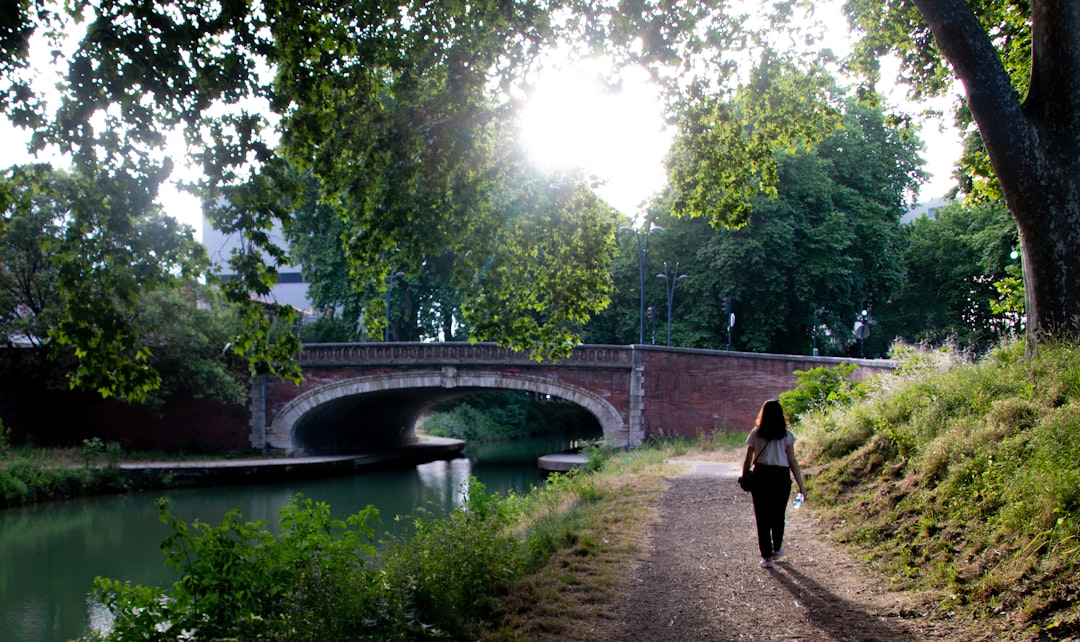
Canal towpaths in London reveal a version of the city that most people walk straight past: a quiet, level, traffic-free waterway carrying you through 9 working-class neighbourhoods, 2 major parks, and 200 years of industrial history, all without boarding a single tube.
Why canal towpaths deserve your whole weekend
The Regent’s Canal flows through 8.6 miles of London, linking elegant Little Venice in the west to the River Thames at Limehouse Basin in East London. That is a serious walk for 1 day. So the smartest plan is to split it in half. Use Saturday for the western section, from Little Venice to King’s Cross. Use Sunday for the eastern section, from King’s Cross to Limehouse.
The canal cuts right through the north of central London, so there are excellent public transport links to the start and finish. You can easily divide the walk into smaller sections, returning to nearby tube or bus stops along the way. This means you control the pace. You are never far from a station if your legs or the weather disagree with your plans.
A towpath runs along most of the route, giving you a relaxing, traffic-free walk. In Paris or Amsterdam, canal walks are a cultural habit. In London, they still feel like a discovery. That contrast is exactly what makes them worth your time.

Saturday: Little Venice to King’s Cross
Start at Warwick Avenue station on the Bakerloo line. The pool of Little Venice makes a grand start to this walk. This wide open space is lined with boats and surrounded by white stucco-clad Regency houses. The small island is named Browning’s Island after poet Robert Browning, thought to be the first to name the area Little Venice. Boat trips run from here, a boat café is moored at one end, and there is even a Puppet Barge theatre.
From Little Venice, follow the towpath east. Past boat moorings and a couple of road and rail bridges, you enter a scene of calm as the canal skirts Regent’s Park. This stretch offers peaceful water views, passes the edge of Regent’s Park, and gives you glimpses of London Zoo. Stop at Primrose Hill if you want a view across the whole city. At 63 metres, Primrose Hill is not especially high, but from the summit you can pick out the Shard, the BT Tower, the dome of St Paul’s, Canary Wharf, and the London Eye.
Continuing east, the atmosphere changes at Camden. Along the way you find colourful narrowboats, lively markets, peaceful green stretches, striking modern architecture, and reminders of the city’s industrial past. End the Saturday walk at King’s Cross, where the canal has been transformed and is today an important part of neighbourhood life. As you walk from Granary Square towards Gasholder Park, you see Camley Street Natural Park on the opposite bank. This 2-acre nature reserve was created from an old coal yard and its woodland, grassland, and wetland habitats provide a haven for birds, butterflies, amphibians, and plant life.
Sunday: King’s Cross to Limehouse Basin
Sunday morning begins at King’s Cross. Stop at the quirky boat bookshop, Word on the Water, at King’s Cross, before you continue east. The canal moves through Islington, Haggerston, and Hackney, where the character shifts from regenerated civic plazas to genuine east London streets.

This eastern section is slightly quieter but no less interesting, taking you past old Victorian warehouses and gas holders. After Victoria Park, the canal flows to Mile End Park. The Roman Road market is not far from here. Right beside the towpath is the reconstruction of a Victorian classroom at the Ragged School Museum.






The Sunday route ends at Limehouse Basin. At Limehouse, the Regent’s Canal meets the River Thames. It is a historic gateway between inland waterways and the sea. Limehouse Basin has a marina-like atmosphere. Yachts and marine boats start to outnumber narrowboats. It is a fine spot to end your walk at a good pub.
An expert perspective on London’s waterway culture
London’s canal towpaths are one of the few remaining places in the city where you experience genuine social mixing. On a summer weekend, you find narrowboat residents, competitive cyclists, dog walkers, families with pushchairs, and tourists all sharing the same 2-metre path. That friction is actually valuable: it keeps the canal alive as a community space rather than a lifestyle product. The history encoded in the towpath is also remarkable. Every lock, every tunnel portal, every former warehouse tells you something specific about how industrial London actually functioned. People who walk the full route from Little Venice to Limehouse almost always say the same thing: they understood London differently afterwards.
Waterway culture and urban heritage professionals, London
Practical details for a smooth weekend
A record 885 million visits were made to canal towpaths across England and Wales in a recent financial year, with visits having increased by over 30% in the past 4 years. Weekend mornings are busy, especially the section through Camden. Start before 9am on Saturday to walk with more space. Pedestrians have priority on the towpath. Cyclists must slow down for others. Take extra care when passing people, pets, and wildlife.
The surface of the towpaths can vary depending on weather conditions and the time of year. Before you go, ensure you have appropriate footwear and any other equipment you need. Flat trainers or light hiking shoes work well. The entire route is level, with no significant hills. The best thing about walking along the canals is that the ground is nearly always flat. The second best thing is that it is almost impossible to get lost.
Carry water and a snack for the quieter eastern stretches. You can also experience the canal from the water by taking a boat trip on the narrow boat Long Tom. The London Canal Museum organises various trips and they are worth booking. You can take a ride through the Islington Tunnel, travel west to Little Venice, or east to Victoria Park. There are also cream tea cruises as an extra special treat.
Conclusion: two days well spent on the canal towpaths
London’s canal towpaths give you something most famous city routes do not: silence, wildlife, and the feeling that you are slightly off the map. The Regent’s Canal was built between 1812 and 1820 to connect the Grand Union Canal at Paddington with the Thames at Limehouse. Two centuries later, the canal towpaths remain the most honest way to cross this city. Walk them across a full weekend, and London reveals itself in a way no bus tour or guidebook can replicate. Plan your weekend on the canal towpaths this summer, and you will return to them every season after that.