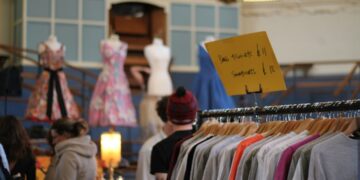
Ethical furniture changed how I see every room in my flat. When I moved across two cities and landed in a small London rental, I had almost nothing, and I made a decision that still surprises me: to buy nothing new.
Why ethical furniture makes sense in London right now
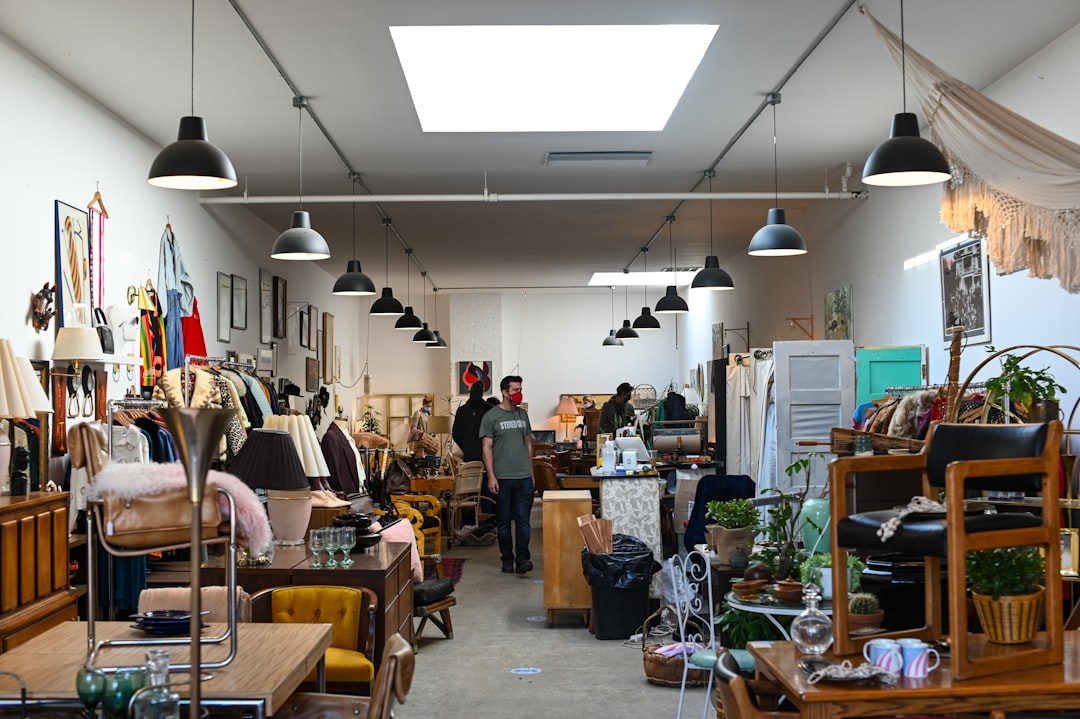
London is one of the best cities in the world for this. When it comes to finding second-hand furniture in London, you have many options. Whether you want to save on living costs or add unique vintage pieces to your home, the city offers a diverse range of stores, warehouses, and flea markets.
The numbers behind the problem are hard to ignore. Research by the North London Waste Authority found that approximately 22 million small furniture items are thrown away annually in the UK when damaged. That statistic landed hard for me. I grew up in a household where nothing was wasted, and I carry that habit with me now.
Rising concerns about environmental issues and climate change are driving demand for sustainable home furniture. Consumers are increasingly aware of the environmental impact of their purchases and are seeking products that align with their values on sustainability. Choosing ethical furniture is not a niche act anymore. It is becoming the mainstream choice.

Where to find great vintage pieces across the city
The first place I visited was East London. Aelfred is a sizeable East London warehouse packed with vintage Scandi homewares sourced from Denmark. Rather than focusing on designer names, visitors are encouraged to connect with the pieces themselves. You can find second-hand furniture, cutlery, antiques, vases, accessories, and glassware at prices designed to match the high street.
Further south, Peckham has its own offer. Vintique London provides a large choice of sustainable second-hand furniture including sideboards, tables, chairs, and bookcases. They describe their mission as finding vintage, mid-century, and design furniture for homes of today, dedicated to providing high-quality, sustainable, second-hand furniture that is both stylish and timeless.
For something with architectural character, North London has a strong answer. LASSCO (London Architectural Salvage and Supply Co) has been rescuing elements of buildings for decades. At a Grade II listed Georgian mansion, you can find the finest relics of old London, sourced from attics, outhouses, demolitions, and scrap yards. I once found a solid oak cabinet there. It cost less than a flat-pack alternative and it will last 40 years.
How charity shops become a serious ethical furniture source
This is the part that surprised me most. Charity networks in London are enormous. The British Heart Foundation Furniture and Electrical stores remain the largest furniture donation network in London. The British Heart Foundation saves 71,000 tonnes of items from going to waste each year, including 180,000 sofas. By avoiding landfills, BHF estimates it has saved 135,000 tonnes of CO2 emissions from being released into the atmosphere.

Emmaus is another essential name. Emmaus is a nationwide movement of charities supporting people to move on from homelessness. Through communities and social enterprises, they help people rebuild their lives with dignity, purpose, and belonging. Emmaus communities depend on donations of furniture and other goods to keep their business going, and they save thousands of tonnes of items from going to landfill every year. Shopping at Emmaus means your money supports both the environment and real people.
Beyond these 2 giants, across North London, there are charities that collect and rehome furniture, appliances, and household goods, helping families in need, reducing waste, and keeping perfectly good items out of landfill. In Camden, Haringey, Islington, and Waltham Forest, reuse shop Brightsparks collects furniture to sell at affordable prices. Your borough almost certainly has its own network.
An industry perspective on sustainable buying
Choosing second-hand or ethically produced furniture is no longer simply a personal preference. It connects directly to how cities manage waste, how charities fund essential services, and how individuals participate in a circular economy. In London, the infrastructure already exists: charity networks, reuse centres, online vintage marketplaces, and independent warehouses all form a supply chain that is remarkably well developed. The environmental case is clear, but the social case is equally strong. Every piece purchased through this system helps fund homelessness support, medical research, or community care. Consumers who engage with ethical furniture are not making a sacrifice. They are making a choice that produces better outcomes at every level, from landfill reduction to neighbourhood resilience. The data confirms that this market is growing, and the city’s existing network of reuse organisations means London is particularly well placed to lead.
Industry perspective, sustainability and circular economy professionals in London
Online platforms that expand your ethical furniture reach
Physical shops are only part of the picture. Vinterior is an online marketplace specialising in vintage and antique furniture and decorations. With over 2,000 sellers worldwide, you can be assured of a wide second-hand furniture selection. I use it regularly for smaller items I cannot find locally.
Preloved is a UK-based online marketplace for buying and selling second-hand items, including a wide range of affordable furniture pieces. Users can easily browse furniture categories such as bedroom, living room, and garden, or search for items available nearby. Facebook Marketplace and Freegle are equally active in London, with listings refreshed daily.






Freecycle, Freegle, and Olio connect you with local people who will collect for free. I once furnished an entire guest room from Freegle in 3 weekends. Everything was free. Everything had a previous story. That is the part that genuinely moves me.


Practical tips for furnishing a flat this way
Start with 1 room. Do not try to source everything at once. Make a list of what you actually need, and then search systematically. Visit charity shops on weekdays: new stock arrives constantly and furniture sold in charity stores is often donated, and inventory changes frequently, so it is worth visiting regularly to discover new items.
Check fire safety labels before buying any upholstered piece. All upholstered furniture must have the fire label intact and attached in order for a charity to accept it as a donation. This includes all sofas, upholstered chairs, and some beds and headboards. The same rule applies when you buy: no label means a legal and safety risk.
Brands that embrace a circular economy model, where waste is minimized through repair, reuse, and recycling, are gaining favour with eco-minded consumers. You can apply this logic personally. When a piece needs attention, repair it first. The rise of fast furniture, like fast fashion, adds cheaply made and short-lived items to local waste streams. It takes up to 1,000 times more CO2 to produce new furniture compared to refurbishing, so reducing new furniture purchases and choosing to reuse and repair is more important than ever.
Conclusion: ethical furniture is a choice London makes easy
Ethical furniture is not a compromise. In London, it is genuinely the smarter option: richer in character, lighter on the planet, and often cheaper than buying new. Every piece of ethical furniture you choose keeps something out of landfill and keeps money inside a network that does real good. Start with 1 charity shop visit, 1 online search, or 1 walk through an East London warehouse. You will find that ethical furniture becomes less of a project and more of a habit, one that shapes every room and every decision that follows.