
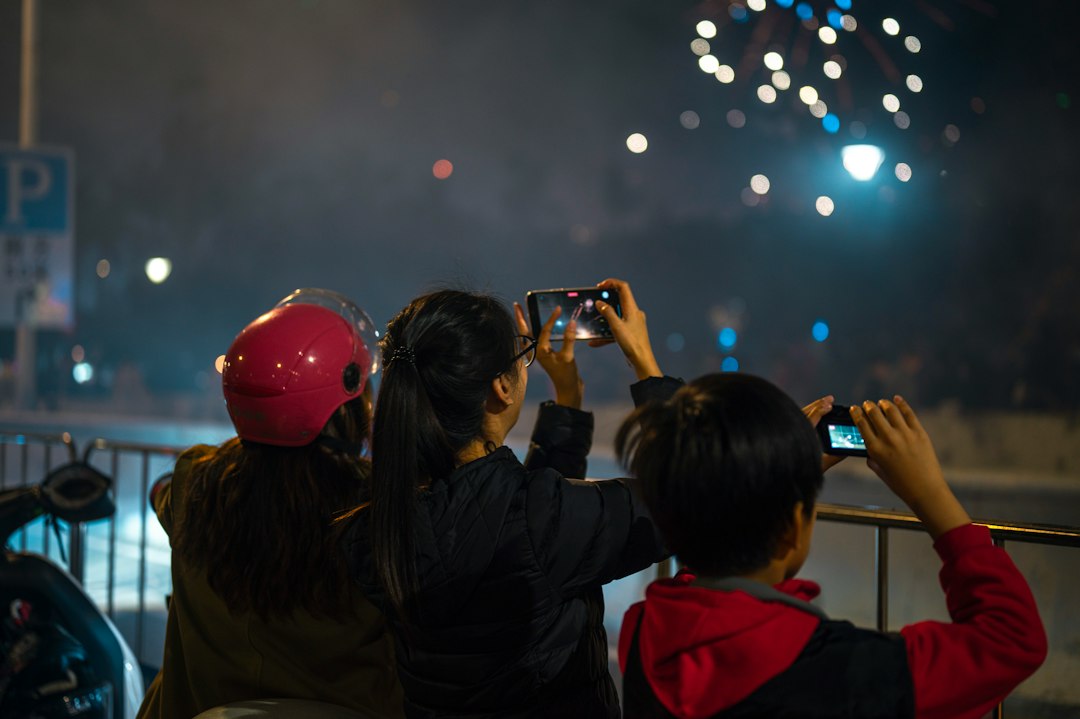
Fireworks waste is the part of bonfire night nobody plans for: the smoke that lingers over your street, the litter in the park the next morning, and a dog still shaking under the sofa. London's air quality data shows this worry is justified, and the city now runs organised displays, drone festivals and quiet-noise shows that cut the mess without cutting the spectacle. This guide covers where the waste actually comes from, which London events swap bangs for a lower-impact night, and the steps to take if you still host fireworks at home.
Why fireworks waste is a bigger problem than it looks
Ask why your eyes sting on the walk to the station on 6 November, and the data answers first. Air Quality News analysed data from the Air Quality Index and found that particulate matter levels increased in every major city in England on bonfire night, with London recording the biggest jump as PM2.5 levels rose from 48µg/m3 to almost 133µg/m3 within 48 hours. Research from the University of Leeds found that soot and particulate matter in the air during bonfire night celebrations can reach levels 100 times higher than usual.
The waste problem does not end when the smoke clears. Used and unused fireworks cannot be recycled, and the safest disposal method is to soak them in water before placing them in general waste, with sparklers treated the same way. Every rocket casing and spent sparkler left on a London pavement ends up in a bin lorry, not a recycling line.
Swap your own display for a council-run show
Bonfire Night is on Thursday 5 November. Most of the capital's large displays actually take place the following weekend, so check the date before you book a babysitter or a train.
For South London, Battersea Park hosts the area's biggest display, taking place over the weekend of 7 to 8 November in the park's 200 acres on the south bank of the Thames. For North London, Alexandra Palace runs the area's biggest and longest-running fireworks event, now in its 150th plus year, combining a two-day Halloween-themed fireworks and drone show with a funfair, street food and a beer festival.
If you want fireworks on the actual night rather than the weekend, Merton Council's Fireworks in the Park at Wimbledon Park is one of the few big London displays held on Bonfire Night itself, with two shows set to music, a funfair, street food and bars. If you would rather skip a gate and a ticket entirely, Parliament Hill on Hampstead Heath and the Observatory viewpoint in Greenwich Park are the two best free spots for watching several displays at once.
Choose a drone or quiet-noise show if noise is the problem
Smoke is not the only cost of a traditional display. Fireworks can produce a sound between 120 and 175 decibels. Animals have far more sensitive hearing than people, so that noise level routinely causes stress, injury and sometimes death among pets, horses and wildlife. The RSPCA is now campaigning to reduce the noise level of all traditional fireworks sold for private use from 120dB to 90dB, and in the meantime recommends drone displays and laser light shows as quiet alternatives that reduce the stressful impact on animals.
London already runs events built around this idea. The Walker Ground Fireworks & Drone Show in Southgate is a well-organised event that runs two displays, a quiet one for those sensitive to noise and a classic main show, so it suits all ages and sensitivities. Further south, Beckenham Charity Fireworks offers a quieter early display at 6pm alongside a separate main show at 7.30pm.
What people get wrong about 'eco' fireworks and quiet nights
It is tempting to assume a packet labelled "eco" solves the fireworks waste problem on its own. Most Chinese firework content and casing is paper-based and therefore biodegradable, and genuinely eco-friendly fireworks using a clean-burning, nitrogen-based fuel are slowly reaching the market. None of that changes the disposal rule: spent and unused fireworks still cannot be recycled, and they still need soaking before they go into general waste.
The second misunderstanding is assuming a big organised show is automatically dirtier than lots of small garden displays. One study by Celtic Fireworks, the UK's largest importer, found that a regional display watched by around 5,000 people emits 0.33 tonnes of CO2 equivalent, comparable to one takeaway coffee for every 10 people watching. The Mayor of London's 2023 New Year's Eve display, confirmed through a Freedom of Information request, emitted 287kg of CO2, roughly the same as one passenger's flight from London to Munich. London's official events are also actively cutting that figure: data from the event organiser showed a reduction in combustion by-products, including NOx, CO2, SO2 and aluminium oxide, of 69% compared with the 2019 New Year's Eve celebrations. Spread across a crowd that size, a single ticketed show can leave a smaller footprint per person than dozens of separate household displays, even before you count the litter from every garden.

What this means for your bonfire night plan
Start with the calendar. Bonfire Night 2026 is Thursday 5 November, but most of the big displays take place the Saturday after, with a second wave on the Sunday. Book tickets for Battersea Park, Alexandra Palace or Wimbledon Park ahead of the week itself, since gates close early and latecomers are not admitted.
If you still want a display at home, keep it modest and considerate. Only buy fireworks marked BS 7114, choose a low noise variety where one is available, and let your neighbours know in advance, since they may be open to an earlier display or a quiet substitute, or glad to skip it altogether. Soak every spent and unused firework in water before it goes into your general waste bin, not the recycling box.
Protect pets on the same evening. Walk dogs during daylight hours to avoid a sudden evening display, keep cats and small animals indoors, and mask the noise with the television or radio. If you would rather watch for free, visit Parliament Hill or the Observatory viewpoint in Greenwich Park, and let a council's professional display handle the rest.