
CONTACT
  • Login
Upgrade
LONDONwebzine
Advertisement
  • Home
    • Our Authors
    • Media Kit
    • Contact
    • Cookie Policy
    • Terms and Conditions
  • News
  • Business
  • Lifestyle
    • Beauty
    • Kids
    • Gastronomy
    • Sustainable living
    • Well-being
    • Creativity
  • Culture
  • Sports
  • Travel
  • Global London
  • Insights
  • Local Guide
    • Activities in London
    • Hotels in London
    • Nightlife in London
    • Restaurants in London
    • Services in London
    • Shopping in London
  • Home
    • Our Authors
    • Media Kit
    • Contact
    • Cookie Policy
    • Terms and Conditions
  • News
  • Business
  • Lifestyle
    • Beauty
    • Kids
    • Gastronomy
    • Sustainable living
    • Well-being
    • Creativity
  • Culture
  • Sports
  • Travel
  • Global London
  • Insights
  • Local Guide
    • Activities in London
    • Hotels in London
    • Nightlife in London
    • Restaurants in London
    • Services in London
    • Shopping in London
No Result
View All Result
LONDONwebzine
No Result
View All Result
Home Luxury Lifestyle Sustainable living

Household waste cuts for London flat life

Small changes inside a London flat can add up to a genuinely waste-free way of living.

A woman carefully sorting household waste into recycling bins in a small London flat kitchen

Household waste in a small London flat once felt like my personal contradiction: I cared deeply about the planet, yet my bin overflowed every week with food scraps, plastic film, and boxes I told myself I would reuse.

Why household waste matters more in London flats

London is a city of flat dwellers. About 58 per cent of residents in north London alone live in flats, compared to 22 per cent nationally. That density creates a specific problem. Shared bins, no gardens, and tiny kitchens make waste reduction feel harder than it is. Yet it is exactly here, in these compact spaces, that small habits produce the biggest results.

Approximately 26 per cent of the waste in the average household bin is food waste, which generates harmful greenhouse gas emissions. That single fact stopped me. More than 1 in 4 bags of rubbish I put out was food I had bought, then thrown away. The good news is that food is also the easiest category to fix.

The city itself is pushing in the right direction. The Mayor of London has delivered several waste reduction initiatives, including the expansion of food waste collections and the roll-out of ReLondon’s Flats Recycling Package at communal recycling points. These tools exist. The question is whether you use them.

Start with food: plan, cook, and compost

Meal planning is the single most powerful tool in a low-waste kitchen. When I started writing a list before every shop, my food waste dropped by more than half within 3 weeks. Plan meals, use leftovers creatively, and compost food scraps. That sentence sounds simple. In practice, it changes everything.

For scraps you cannot avoid, composting is the answer. Many people assume composting requires a garden. It does not. Some London boroughs promote home composting for flat dwellers, including kitchen solutions and balcony wormeries. A wormery sits neatly under a kitchen counter or on a balcony. It processes vegetable peel, coffee grounds, and eggshells into rich compost for your window boxes.

Food waste collected separately goes to a plant where it creates biogas (a renewable energy source) and fertiliser used on farmland. Analysis in one London borough showed that as much as 33 per cent of organic material in residents’ refuse bins could be separated and recycled. Check your council’s website today to see whether a food waste caddy collection is available at your address.

Tackle packaging and recycling with confidence

Packaging is the second-biggest contributor to household waste in most London flats. Bring your own containers to bulk stores, choose products with minimal packaging, and support local markets. Borough markets, independent grocers, and zero-waste shops across London stock everything from lentils to shampoo in refillable containers.

Recycling correctly is just as important as recycling at all. Effective recycling involves more than just separating materials. Cleaning recyclables and following local recycling guidelines maximises the efficiency of the process. Rinse containers, remove lids where required, and flatten cardboard. These 3 actions alone reduce contamination at the sorting facility.

Households in London must now follow a new 4-bin system for waste separation. If your building does not yet have the full set of bins, contact your landlord or building manager. You have the right to request them, and your council can help apply pressure.

A man adding vegetable scraps to a countertop composter to reduce household waste in a compact flat

Rethink consumption before you buy

The most effective way to reduce household waste is to reduce what you bring into the flat in the first place. Choose quality over quantity and invest in durable items rather than disposable goods. Say no to single-use items and opt for reusable products like stainless steel straws, cloth napkins, and refillable bottles.


You might also like

womn smiling as she browses a clothing rail at vintage fairs in London, surrounded by pre-loved coats and jackets.

Vintage fairs London: 6 to visit this autumn

20/09/2026
A woman layering clothes on a London street in early autumn, adding a knit mid-layer over a merino base outside.

Layering clothes for London’s autumn swings

16/09/2026
A designer examines deadstock fabric in a studio, representing the sustainable fashion movement at London Fashion Week.

Sustainable fashion: LFW labels to watch

12/09/2026
A woman reviewing her London wardrobe items on a bed, preparing for a seasonal transition from summer to autumn

London wardrobe: summer to autumn shift

27/08/2026
A woman arranging vases on freestanding shelves in a bright London flat, showing how to personalise a rented space.

Rental flat decorating within your tenancy

26/08/2026
A woman smiling while browsing colourful rails in a London charity shop, looking for secondhand summer pieces

Charity shops: refresh your summer wardrobe

08/08/2026

Before any purchase, I now ask 3 questions: Do I need this? Can I borrow or rent it? Will I be able to reuse or recycle the packaging? This pause has saved me money and stopped a significant amount of packaging from entering my flat. Cutting down on waste helps preserve raw materials and reduces pollution. Buying less and reusing more means you spend less.

Fast fashion is also a form of household waste. Campaigns against fast fashion raise awareness about sustainable clothing choices. London has dozens of repair cafes, clothing swaps, and second-hand shops. Choosing them over new purchases keeps both money and material out of the bin.

Expert perspective on household waste in urban settings

Flat dwellers face a genuine structural challenge when it comes to reducing household waste. Without garden space, without private bin access, and often without clear guidance from landlords, many residents feel the system is not designed for them. Yet the data consistently shows that when councils provide the right infrastructure, such as accessible food waste caddies, communal dry recycling points, and clear on-pack information, participation rises sharply. The real opportunity in London is not to wait for individual motivation to increase. It is to make the low-waste option the easiest option. Repair voucher schemes, subsidised wormeries, and bulk-buy food cooperatives all lower the barrier for flat dwellers. When the environment makes it easy to do the right thing, people do it.

Industry perspective, sustainability and circular economy professionals in London
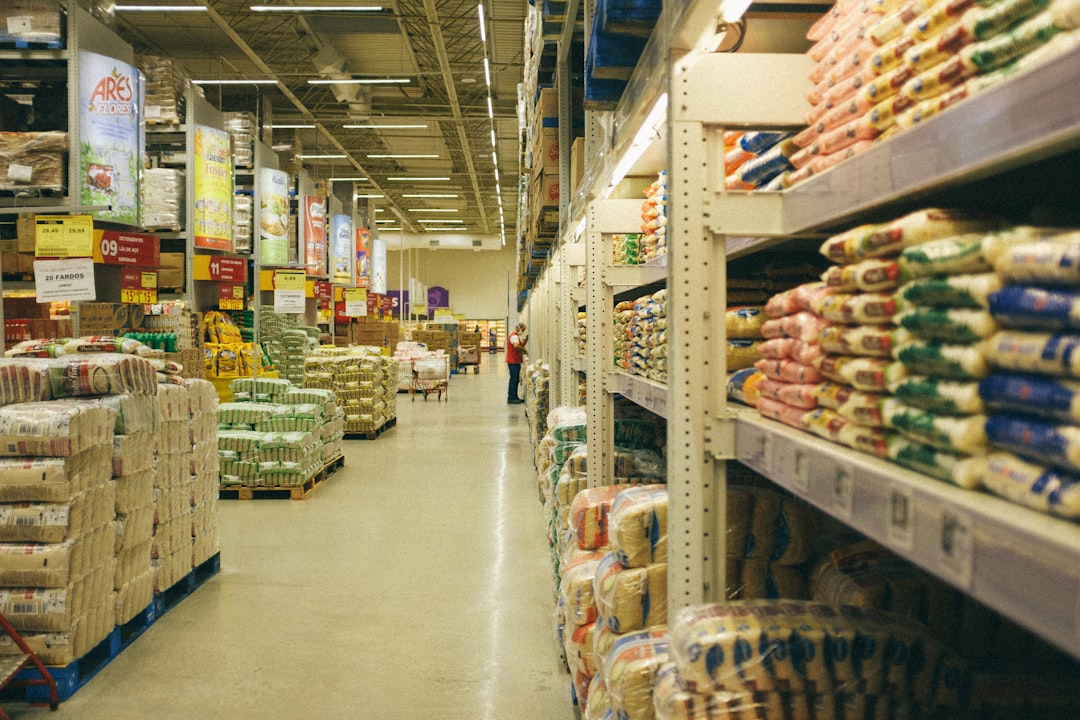
A person filling reusable containers at a bulk food store as part of a household waste reduction routine in London

Build the habits that make the difference

Consistency matters more than perfection. Start with 1 change this week: set up your food caddy, buy a reusable coffee cup, or find your nearest bulk food store. Add another change the following week. Start small, pick one or two actions, and build from there.

In London, a UK-first repair voucher scheme launched in north London offers residents 50 per cent off professional repairs for small household electrical and electronic items. Use schemes like this. They exist precisely to make the low-waste choice the affordable choice.

ReLondon’s vision is of a future without waste, where the way things are made, consumed, and disposed of actively tackles the climate crisis. That vision starts in individual flats, on individual shopping trips, and at individual kitchen counters across the city.

Conclusion

Reducing household waste in a London flat is not about living with less comfort. It is about living with more intention. Food planning, smart composting, clean recycling, and conscious consumption all build on each other. Together, they create a home that produces almost no household waste. With separate food waste collections and proper recycling, over 85 per cent of all household waste can be recycled or composted. That number shows what is possible. You do not need a garden or a house. You need a system, and you can build yours today.


Discover more about household waste

  • Mayor of London: Zero Waste City initiatives and flat recycling programmes
  • ReLondon 2024-25 Impact Report: London’s circular economy progress
  • North London sets zero landfill target and food waste reduction goals by 2040
Previous Post

Frida Kahlo at Tate Modern: how to see it

Next Post

Anish Kapoor at the Hayward Gallery

Related Posts

womn smiling as she browses a clothing rail at vintage fairs in London, surrounded by pre-loved coats and jackets.
Sustainable living

Vintage fairs London: 6 to visit this autumn

20/09/2026
A woman layering clothes on a London street in early autumn, adding a knit mid-layer over a merino base outside.
Sustainable living

Layering clothes for London’s autumn swings

16/09/2026
A designer examines deadstock fabric in a studio, representing the sustainable fashion movement at London Fashion Week.
Sustainable living

Sustainable fashion: LFW labels to watch

12/09/2026
A woman reviewing her London wardrobe items on a bed, preparing for a seasonal transition from summer to autumn
Sustainable living

London wardrobe: summer to autumn shift

27/08/2026
A woman arranging vases on freestanding shelves in a bright London flat, showing how to personalise a rented space.
Sustainable living

Rental flat decorating within your tenancy

26/08/2026
Next Post
A visitor stands before a large mirror sculpture at the Anish Kapoor exhibition at the Hayward Gallery, Southbank London

Anish Kapoor at the Hayward Gallery

Leave a Reply Cancel reply

Your email address will not be published. Required fields are marked *

No Result
View All Result

Our Focus

LONDONwebzine is your international window on London: lifestyle, business, culture, sports and events for a global audience drawn to the capital's endlessly dynamic scene.

Our Readers

LONDONwebzine addresses readers who engage with London at a high level: professionally, financially, strategically, and as decision-makers in their fields.

Our Approach

Lifestyle, culture, and innovation are integrated as context and indicators of economic influence, creative leadership, and global soft power, not standalone entertainment.

Recent Post

  • Cold plunge in Hackney: a first-timer’s guide
  • Ethiopian restaurants London: best picks

© 2026 LONDONwebzine by NOOR & NOOR — part of WEBZINE.world.

Welcome Back!

Login to your account below

Forgotten Password?

Retrieve your password

Please enter your username or email address to reset your password.

Log In
Manage Consent
To provide the best experiences, we use technologies like cookies to store and/or access device information. Consenting to these technologies will allow us to process data such as browsing behavior or unique IDs on this site. Not consenting or withdrawing consent, may adversely affect certain features and functions.
Functional Always active
The technical storage or access is strictly necessary for the legitimate purpose of enabling the use of a specific service explicitly requested by the subscriber or user, or for the sole purpose of carrying out the transmission of a communication over an electronic communications network.
Preferences
The technical storage or access is necessary for the legitimate purpose of storing preferences that are not requested by the subscriber or user.
Statistics
The technical storage or access that is used exclusively for statistical purposes. The technical storage or access that is used exclusively for anonymous statistical purposes. Without a subpoena, voluntary compliance on the part of your Internet Service Provider, or additional records from a third party, information stored or retrieved for this purpose alone cannot usually be used to identify you.
Marketing
The technical storage or access is required to create user profiles to send advertising, or to track the user on a website or across several websites for similar marketing purposes.
  • Manage options
  • Manage services
  • Manage {vendor_count} vendors
  • Read more about these purposes
View preferences
  • {title}
  • {title}
  • {title}
No Result
View All Result
  • Home
    • Our Authors
    • Media Kit
    • Contact
    • Cookie Policy
    • Terms and Conditions
  • News
  • Business
  • Lifestyle
    • Beauty
    • Kids
    • Gastronomy
    • Sustainable living
    • Well-being
    • Creativity
  • Culture
  • Sports
  • Travel
  • Global London
  • Insights
  • Local Guide
    • Activities in London
    • Hotels in London
    • Nightlife in London
    • Restaurants in London
    • Services in London
    • Shopping in London

© 2026 LONDONwebzine by NOOR & NOOR — part of WEBZINE.world.

Are you sure want to unlock this post?
Unlock left : 0
Are you sure want to cancel subscription?
Verified by MonsterInsights
enEnglishfrFrançais