Frida Kahlo is back at Tate Modern this summer, and after more than 20 years away from a major London stage, she is getting the full blockbuster treatment, over 130 works, a surrealist deep dive, a room dedicated to “Fridamania,” and a Michelin-starred chef in the restaurant.
What makes this exhibition different
Tate Modern presents the first major exhibition to explore how Frida Kahlo became a global icon and a key influence on a generation of artists. The show traces her rise from a relatively unknown painter to a worldwide cultural phenomenon. That ambition separates this exhibition from anything London has seen before on the subject.
This exhibition goes further than Tate Modern’s 2005 survey show by demonstrating Frida’s impact on art history, presenting her work in dialogue with modern and contemporary artists from across the globe who have drawn influence from her aesthetic, identity and biography. In other words, this is not a simple retrospective. It is an argument about why Kahlo still matters.
The show showcases over 30 of Kahlo’s most iconic works that introduce her many selves: the dedicated wife, the intellectual, the modern artist, and the political activist. Alongside treasured garments, jewellery, photographs and memorabilia, there are over 200 works by her contemporaries and the artists she inspired from later generations.

The 3 sections you should not miss
The exhibition opens with an exploration of how Kahlo constructed and projected her identity in her paintings and personal style. Visitors discover how she visually articulated her many selves, from the personal to the political, and the physical to the spiritual. This first section sets the tone for everything that follows.
The heart of the show focuses on the surrealist connections between Frida Kahlo and her contemporaries. While Kahlo famously rejected the label, her work revealed striking parallels with the movement, leading its founder André Breton to declare her “a self-made Surrealist.” This section contains some of the rarest loans in the show.
The exhibition culminates by exploring Kahlo’s transformation into a global brand that extends far beyond her art, encompassing her image, style and persona. A room of “Fridamania” features more than 200 objects generated by the mass-market production of Frida Kahlo merchandise. Europeans who know Kahlo from museum shops across Paris or Barcelona will find this section both familiar and uncomfortable.
Tickets, timings and how to book
The Frida Kahlo exhibition (25 June 2026 to 3 January 2027) costs £25 for adults and £5 for Tate Collective members aged 16 to 25, and is free for Tate Members. If you plan to visit more than once this season, a Tate membership repays the cost quickly.

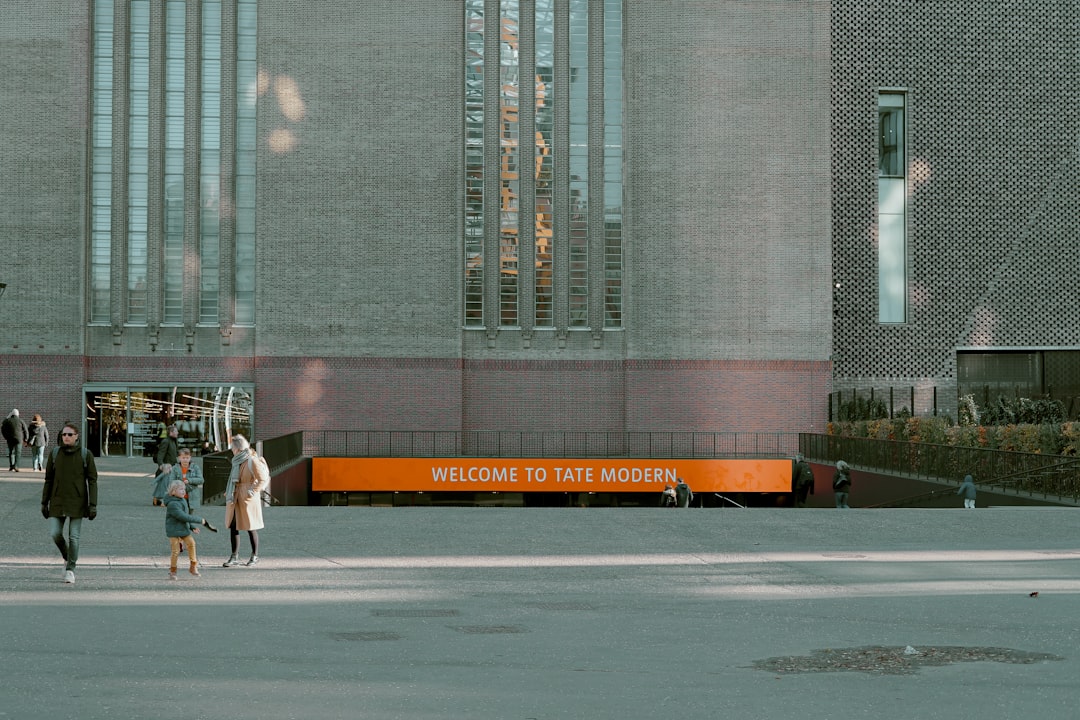
Tickets can be booked directly via Tate Modern. Visitors can choose from timed entry slots, including relaxed sessions held every third Tuesday of the month. Book at least 2 weeks ahead for weekend slots. Tuesday to Thursday mornings are the quietest times. Use the Blavatnik entrance on Park Street rather than the Turbine Hall. Friday and Saturday evenings from 18:00 are calm, as the museum stays open until 21:00 on those nights.






The Turbine Hall entrance on Bankside can have 40 to 60 minute queues on weekend mornings. Avoiding that entrance alone saves a significant amount of time.
Expert perspective
As an art professional working across London and continental Europe, I see Frida Kahlo’s current cultural status as both a triumph and a tension. She is one of the few artists whose image functions globally as a symbol before any viewer even enters a gallery. This Tate Modern show is important precisely because it asks how that happened. It places the paintings alongside the merchandise, the self-portraits alongside the artists she inspired, and asks us to think critically rather than simply celebrate. For European audiences, Kahlo connects in a specific way: she rejected easy categories of nationality, gender and disability, and that refusal to be fixed is exactly what makes her a figure worth revisiting in 2026. Any visitor who arrives expecting only beautiful paintings will leave with something more complex and more valuable.
Industry perspective, contemporary art and cultural programming professionals in London
Food, events and extras worth knowing
Tate Modern has created a bespoke menu in collaboration with Santiago Lastra, founder of Michelin-starred Mexican restaurant KOL. Visitors can choose a time slot that includes lunch, dinner or a cocktail when booking their exhibition ticket. This combination works well if you want to turn the visit into a full afternoon or evening.
Tate Modern Late on 31 July 2026 opens the gallery after hours to celebrate Frida Kahlo. The evening features music, workshops, talks and performances inspired by her practice, exploring themes of passion and healing. These evening events sell out fast, so book early.
Work by more than 80 of her contemporaries and other artists she inspired also features, along with documents, photographs and memorabilia from Kahlo’s archives. Allow at least 2 hours inside the exhibition. Budget another hour if you want to explore the permanent collection on the same visit.

Conclusion: why Frida Kahlo at Tate Modern is the visit of the season
Tate Modern presents the first major exhibition to explore how Frida Kahlo became a global icon and a key influence on a generation of artists. The show traces her extraordinary rise from a relatively unknown painter to a worldwide cultural phenomenon. That is a story London has not been able to tell at this scale for a very long time. Frida Kahlo rewards careful visitors, so choose a quiet Tuesday morning or a Friday evening, enter through the Blavatnik Building, and give yourself real time inside. This is the cultural event of the London summer.