
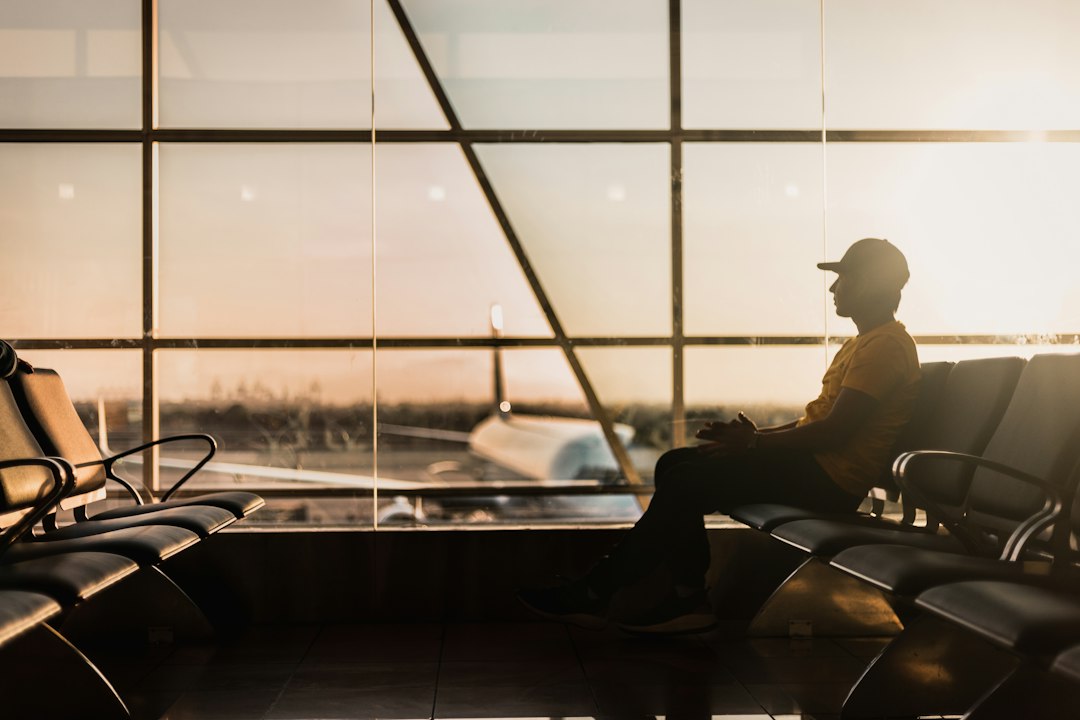
You stand in the arrivals hall at Heathrow, the gate for your next flight has closed, and three options sit in front of you at once: the airline app on your phone, a queue at the transfer desk, and a customer service number you could dial right now. Picking the wrong one first can cost an hour you did not need to lose. The right choice depends on how your ticket was booked, how long the queue looks, and whether you travel onward by plane or by Eurostar through St Pancras.
Rebook through the airline app
Many airlines rebook passengers automatically once a connection breaks, often before the passenger even reaches a desk. Many airlines, including British Airways, auto-rebook passengers on missed connections before you even reach the desk. This process depends on how the ticket was booked. The airline is legally required to place you on the next available flight to your destination at no extra cost, whether the next flight is in 2 hours or tomorrow, but only when both flights sit on one reservation. If your flights are on separate tickets and you miss your connection, the second airline has no obligation to rebook you.
Check your phone the moment the flight lands, before you join any queue. Many airlines automatically rebook passengers who miss a connection and push the new flight to the app before you reach the desk. The desk, the phone line and the app often draw on the same seat inventory, so whoever acts first gets them. Keep your booking reference ready, since every channel asks for it before confirming a new seat.
Visit the transfer desk at the airport
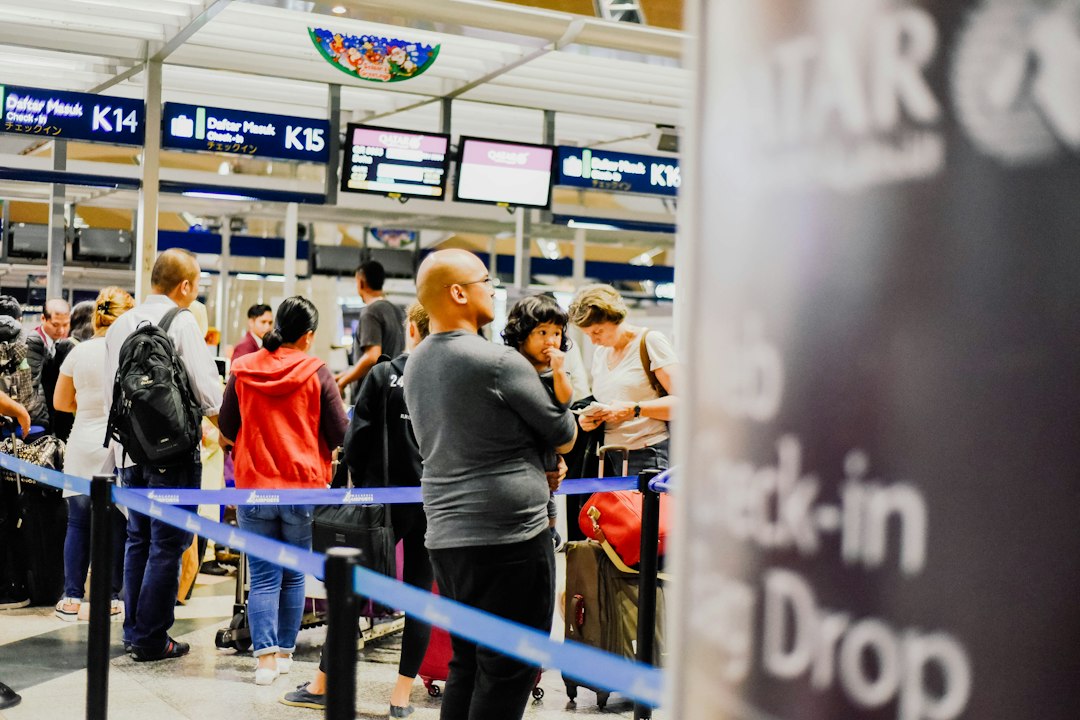
At Heathrow, British Airways keeps dedicated desks for broken connections. The British Airways Customer Service desks for flight connections are located in Terminal 3 after Flight Connections Security, and Terminal 5 in the Flight Connections area before Security. Staff at these desks can rebook a single-ticket passenger and confirm the change in writing before you leave.
Status matters here. BA Executive Club Gold and Silver members are generally prioritized in the rebooking queue at the transfer desk. A passenger on separate tickets carries all the risk and should go straight to the desk instead, since no automatic rule protects that booking.
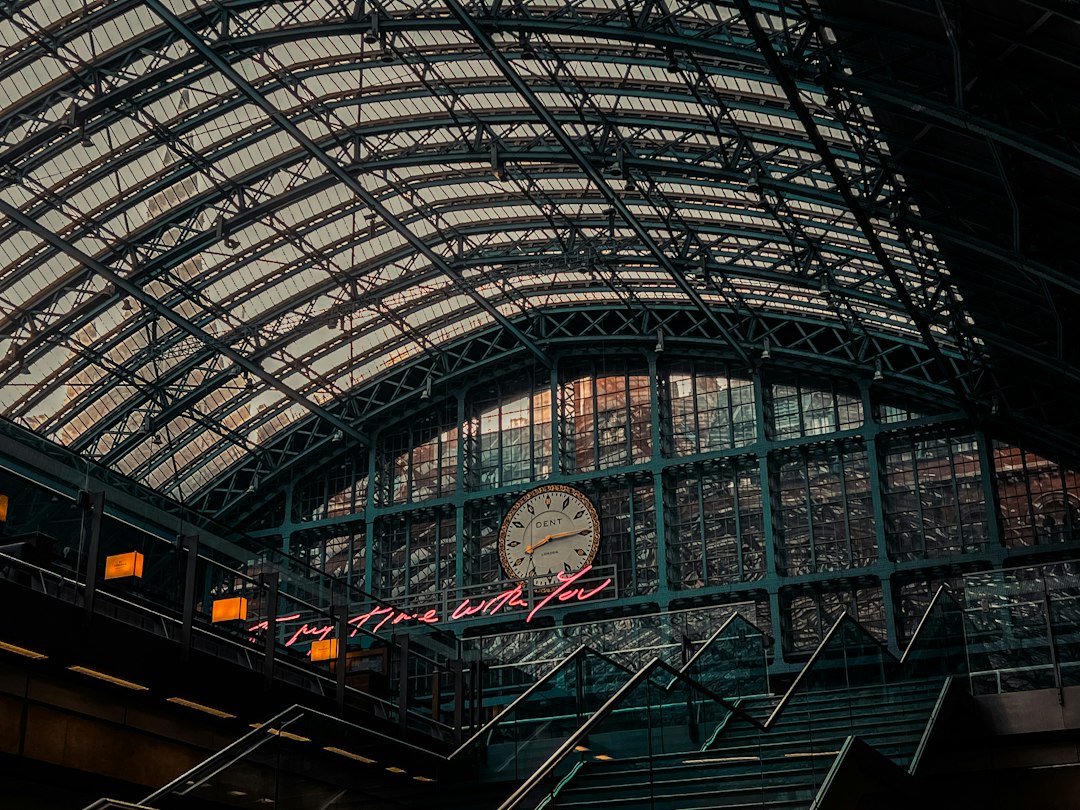
The same principle applies at St Pancras for an international rail journey. As a member of the Railteam alliance and a party to the Agreement of Journey Continuation, customers are entitled to travel on the next available service in the event of a missed connection. A staff member needs to stamp the ticket before boarding to confirm eligibility, and this only applies if your ticket to London St Pancras is an International CIV ticket. If the missed train was the last service of the day, Eurostar is legally required to put you up in a hotel and provide meals until you can board a train the next day, with hotel accommodation covered up to £150 or €170 per room, per night.
Call the airline's customer service line
During a large disruption, a phone call can beat the queue. Phone agents can sometimes rebook you faster than the desk during a busy disruption, so dial while still walking rather than waiting until you stand in line. This channel suits a traveller whose phone still holds signal and who can tolerate a hold time.
Beyond rebooking, passenger rights rules can add compensation on top. You can claim between €250 and €600 per passenger, depending on the distance of your flight, when a delay inside the airline's control caused the missed connection and the final arrival runs three hours late or more. A phone agent owes you the same rebooking rights as a desk agent under this rule, not a lesser version of it.
Who suits which missed connection option
A confident mobile user with a single-ticket booking and working signal gains the most from the app. It reacts within minutes and skips the physical queue entirely.
The transfer desk suits anyone on separate tickets who carries the full risk alone, or a family group that needs a printed confirmation in hand. It also suits status holders, since BA Gold and Silver members are generally prioritized in the rebooking queue at the transfer desk.
The phone line suits a traveller stuck in a long physical queue during a wide disruption, or someone connecting onward by Eurostar who still needs a staff member to stamp a ticket under the Railteam agreement before boarding the next train.
The time buffer that decides it
The single fact that decides which channel to try first is how much time sits between your booking and the next departure. The LHR minimum connection time runs to 90 minutes for international to domestic flights, and below that connection risk runs high, especially with customs queues. British Airways recommends a minimum of 4 hours between flights on separate tickets, since you will need to reclaim your baggage and may need to change terminals.
A single booking with a short buffer calls for the app first, since automatic rebooking often beats a slow walk across the terminal. A set of separate tickets calls for the desk immediately instead, because the second airline has no obligation to rebook you. Whichever channel you try first, keep your booking reference, the delayed flight or train number, and your original boarding pass ready, since every path asks for the same proof.